Every song you play leaves a small trace. Across a year, those traces add up to a story you may not have noticed while you were living it. Your listening stats gather that story into one place, showing the songs you leaned on, the artists you returned to, and the moods that carried you through the months. It reads a little like a diary, except the music wrote it for you.
Looking at your year in music is more than a fun distraction at the end of December. It can remind you of moments you had forgotten, show you how your taste is changing, and point you toward new sounds worth exploring. This guide explains what the main parts of your stats really reveal and how to read them with fresh eyes.
Your Most Played Songs Tell a Story
The songs at the top of your list rarely got there by accident. A track played again and again usually marks a season, a person, or a feeling you kept returning to. Sometimes it is the song that played during a long drive or a hard month. Sometimes it is simply the chorus you could not get out of your head.
Look at when each favourite song entered your life. Streaming histories often cluster in surprising ways, with a burst of plays in one month and silence after. That pattern can jog your memory better than a photograph. You may find that your most played song of the year is not your favourite song at all, but the one that kept you company the longest.
The Artists You Returned To
Single songs come and go, but your top artists show loyalty. These are the voices you trusted across albums, moods, and months. An artist in your top five has usually soundtracked more than one part of your year, from morning routines to late night work sessions.
Notice whether your top artists are old friends or new arrivals. A list full of long loved names suggests a year of comfort and routine. A list with several newcomers hints at curiosity and change. Neither is better than the other, but the balance between them says a lot about the kind of year you had.
Genres and Moods Across the Months
Your taste probably did not stay in one place all year. Many listeners lean toward bright and energetic music in the summer and slower, warmer sounds when the days grow short. Your genre breakdown can confirm that drift or surprise you completely. Some people discover they played far more acoustic music, jazz, or film scores than they ever realised.
Mood data is just as revealing. Services often group listening into feelings such as joyful, calm, focused, or melancholic. If your year leaned heavily toward calm and focus, your music may have been doing quiet work in the background of a busy life. If upbeat tracks dominate, your playlists may have been your main source of energy.
What Your Listening Clock Reveals
The time of day you listen is one of the most honest parts of your stats. Morning listeners often use music to start the day with intent, while heavy late night listening can point to long work hours, study sessions, or simply a love of the quiet hours. Weekend patterns add another layer, showing whether music is part of your rest or mostly part of your routine.
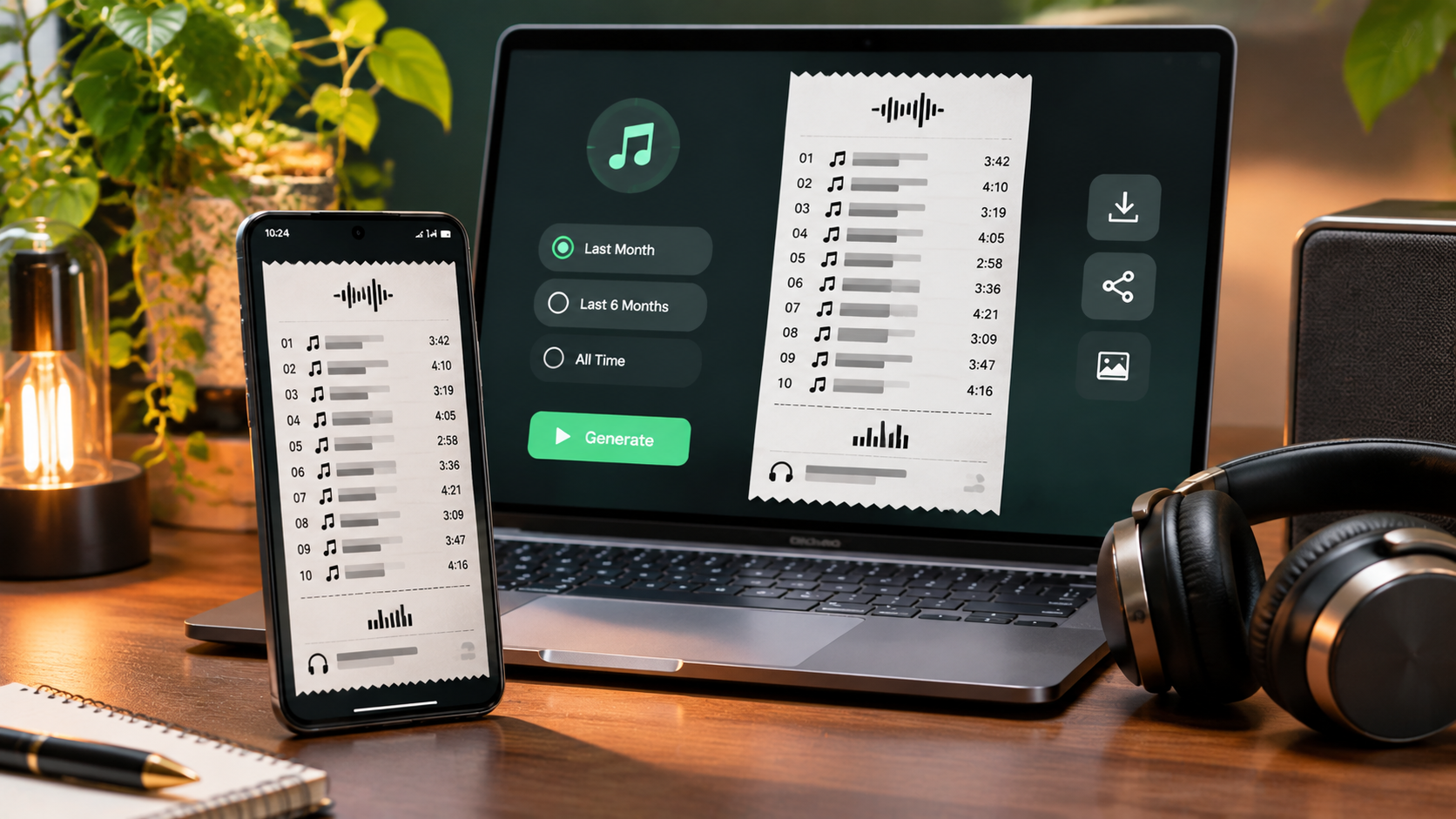
This is also where a playful summary becomes genuinely useful. Turning your history into a simple receipt style snapshot makes the patterns easy to see and share. The music listening stats and receipts at Receiptify present your top songs and artists in a clean format that feels like a keepsake from the year. Seeing your habits laid out that plainly often sparks the best conversations about what you played and why.
New Finds Versus Old Comforts
Most listeners split their time between discovery and comfort. Discovery brings the thrill of a first listen and the chance to find a new favourite. Comfort brings the songs that feel like home, the ones you play when you do not want to think about what to play next. Your stats usually show the split clearly.
A healthy mix tends to keep music feeling fresh without losing the songs that ground you. If your stats show almost no new artists, consider letting a friend or a curated playlist choose for you now and then. If nearly everything you played was new, you might enjoy revisiting an old album you once loved and seeing how it sounds now.
Sharing Your Receipt
Half the fun of year end stats is sharing them. Friends compare top songs, laugh at guilty pleasures, and trade recommendations based on what the numbers show. A shared receipt often starts better conversations than a shared playlist, because it comes with a story attached to every line.
Share with a little care, though. Your stats can reveal your routines, your moods, and even the hours you keep. Share the parts that spark joy, and keep the rest for yourself. The goal is connection, not a full report on your private life.
What to Do With What You Learn
Once you have read your year in music, use it. Build a playlist from the songs that defined each season, and you will own a time capsule you can replay for years. Follow the new artists who earned repeat plays, since their next releases are likely to land well with you. Let go of the habits that no longer serve you, such as the background noise you never truly enjoyed.
Your listening stats are a mirror held up to your year, reflecting its energy, its quiet spells, and its turning points. Read them with curiosity rather than judgement. The songs you chose, again and again, were keeping you company through it all, and that alone makes the story worth reading.