Staying organized throughout the day is easier when everything has its proper place. Whether you are heading to work, meeting friends, running errands, or traveling across town, carrying everyday essentials without a proper storage solution can quickly become inconvenient. Loose keys, tangled charging cables, misplaced wallets, and scattered personal items can turn even a simple outing into a frustrating experience.
A well-designed bag solves this problem by combining storage, accessibility, and style in one practical accessory. However, choosing the right bag involves more than finding something that looks good. You need a design that suits your routine, accommodates your belongings, and keeps everything within easy reach. Here is how to choose and use the right bag to make everyday organization effortless.
1. Choose a Bag That Matches Your Daily Routine
The first step toward better organization is selecting a bag that fits your lifestyle. Everyone carries different essentials, so the ideal option depends on how you spend your day. A professional who commutes to an office may need space for a laptop, documents, chargers, and personal items. Someone with a more casual routine might only require room for a wallet, phone, keys, sunglasses, and a water bottle.
Before purchasing, consider what you typically carry and how frequently you use each item. This helps prevent two common mistakes: choosing a bag that is too small to accommodate your belongings or buying an oversized design that encourages unnecessary clutter.
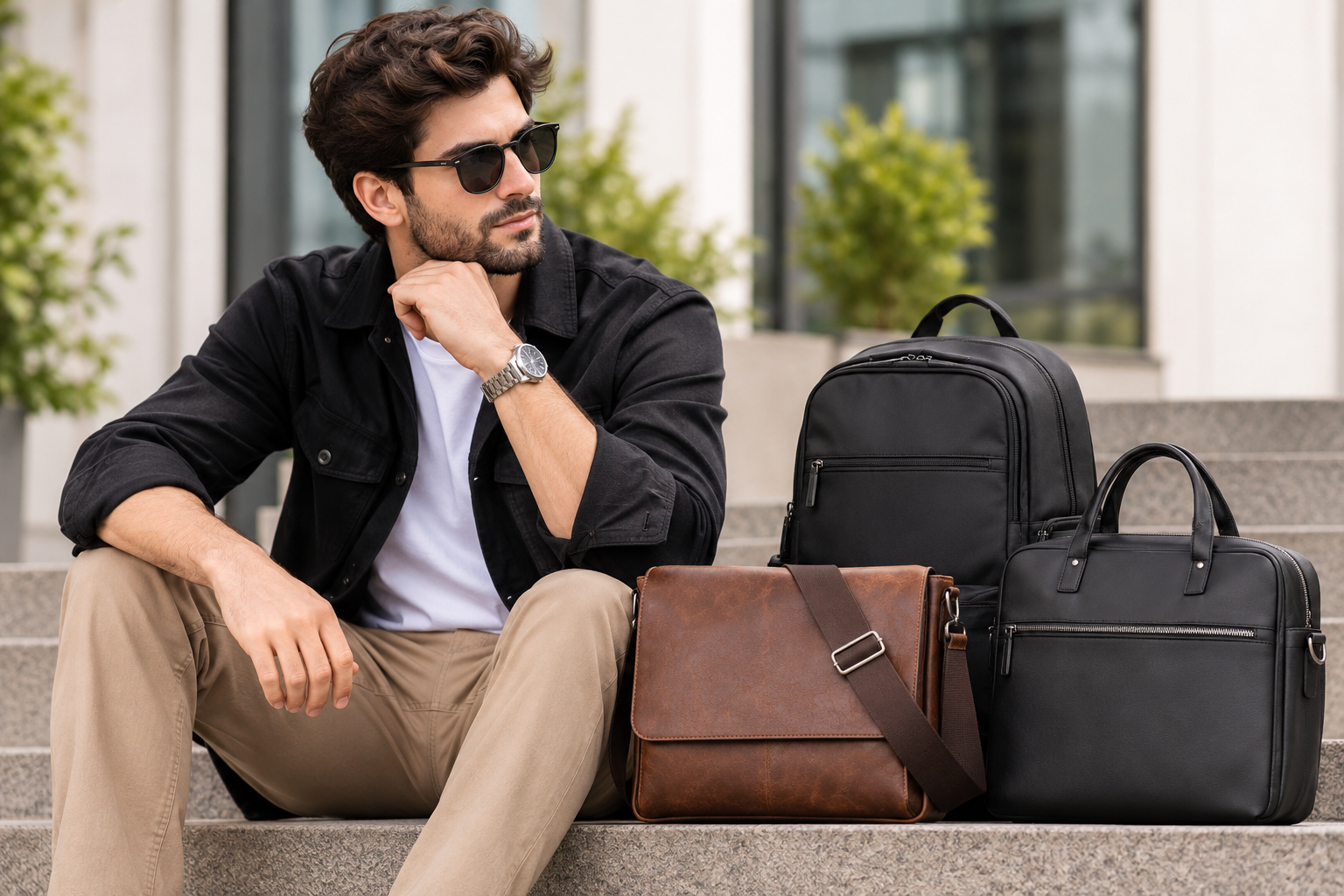
Backpacks are excellent for people who carry several items regularly, while crossbody bags offer convenient access to smaller essentials. Messenger bags provide a balance between professional appearance and everyday functionality. Selecting a style that complements your routine makes organization much easier.
2. Look for Compartments That Keep Essentials Separate
A bag's internal layout can make a significant difference in how efficiently you organize your belongings. A single large compartment may provide plenty of storage, but finding a specific item can become difficult when everything is mixed together.
Instead, look for designs featuring multiple compartments, dedicated pockets, and useful storage sections. A padded laptop compartment protects electronic devices, while smaller zippered pockets provide secure storage for valuables. Side pockets are particularly useful for carrying water bottles or items that you need to access quickly.
Create a simple organization system by assigning specific places to your belongings. Keep your wallet and keys in one section, electronic accessories in another, and personal care items in a separate pocket. Once everything has a designated location, you will spend less time searching through your bag.
When exploring practical men's accessories, prioritize thoughtful compartment design over unnecessary decorative features. A well-organized interior makes an everyday bag far more useful.
3. Prioritize Accessibility for Frequently Used Items
Good organization is not only about storing things neatly; it is also about making important items easy to reach. Frequently used belongings should never be buried beneath notebooks, clothing, or other accessories.
Think about the items you reach for most often throughout the day. Your phone, wallet, keys, headphones, and travel cards should have accessible storage locations. Exterior pockets, quick-access compartments, and smooth zippers can make everyday activities more convenient.
For example, keeping your keys in a dedicated front pocket means you will not need to empty your bag when arriving home. Similarly, storing headphones in a small compartment prevents them from becoming tangled with charging cables.
When comparing bags for everyday essentials, pay attention to pocket placement and opening mechanisms. A bag that allows you to retrieve important items without removing everything else offers a much smoother daily experience.
4. Select Durable Materials and Comfortable Designs
An everyday bag needs to handle regular use, changing weather conditions, and the weight of your belongings. Choosing durable materials is therefore just as important as selecting the right storage layout.
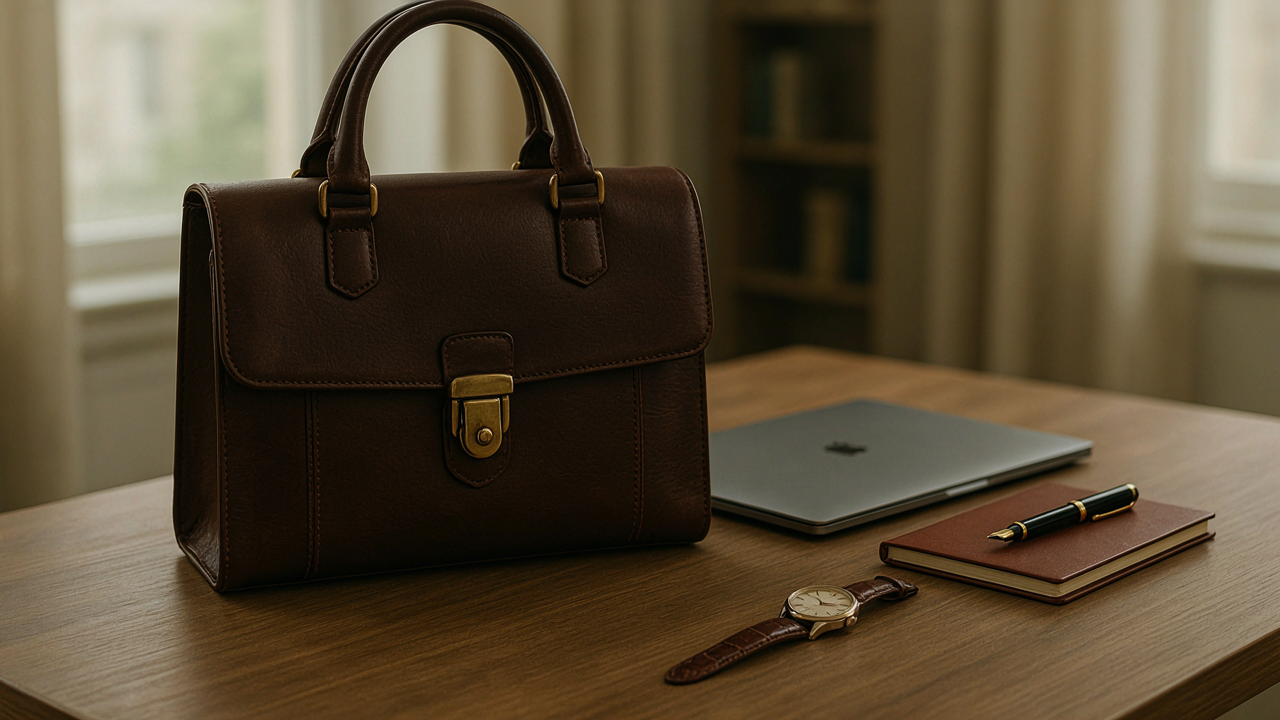
Canvas is a popular choice because it offers a casual appearance and dependable everyday performance. Leather provides a more refined look that works particularly well in professional and smart-casual settings. Nylon and polyester are practical alternatives for people who prefer lightweight designs and easy maintenance.
Comfort should also be a priority. Adjustable shoulder straps, padded back panels, reinforced handles, and balanced weight distribution can make a noticeable difference, especially when carrying your bag for extended periods.
Check the quality of zippers, stitching, handles, and strap attachments before making a decision. These small construction details often determine how well a bag performs over time.
The best functional men's bags combine reliable materials, comfortable construction, and practical storage without compromising appearance.
5. Build a Simple System to Prevent Everyday Clutter
Even the most thoughtfully designed bag can become disorganized if you do not maintain a consistent storage routine. Developing a few simple habits helps keep your belongings accessible and prevents unnecessary clutter from building up.
Start by removing items you no longer need. Old receipts, empty packaging, unused cables, and random pieces of paper can quickly take up valuable space. Emptying your bag once or twice a week gives you an opportunity to reset your organization system.
Small accessories can also improve storage efficiency. Cable organizers keep charging wires neat, compact pouches separate personal care products, and key holders prevent loose keys from scratching other belongings.
Another useful habit is preparing your bag the night before. Check your schedule, pack the items you need, and make sure essential belongings are in their assigned compartments. This simple routine can save time during busy mornings.
Remember that effective organization is about carrying what you actually need rather than filling every available pocket.
6. Balance Functionality With Personal Style
A good everyday bag should support your routine while complementing your personal appearance. Since it is often one of the accessories you carry most frequently, its design can influence your overall look.
For professional environments, structured messenger bags and minimalist backpacks in neutral shades offer a polished appearance. Black, brown, navy, and grey are versatile choices that pair easily with different outfits.
For casual settings, canvas backpacks, compact crossbody bags, and sporty designs provide a relaxed yet practical alternative. Consider the colors, materials, and overall shape of your bag to ensure it works with your existing wardrobe.
The goal is to find a balance between appearance and performance. A stylish bag that lacks useful storage may become inconvenient, while an overly technical design might not suit every occasion.
Explore different styles and choose one that reflects your preferences while meeting your everyday requirements.
Make Everyday Organization Effortless With the Right Bag
Keeping your daily essentials organized does not require complicated systems or unnecessary accessories. It starts with choosing a bag that matches your routine, provides useful compartments, and offers convenient access to frequently used belongings.
Pay attention to material quality, carrying comfort, storage capacity, and overall design before making your choice. Once you find the right option, establish simple habits that keep your belongings organized and your bag free from clutter.
Ultimately, a well-chosen everyday bag is more than a storage accessory. It helps you manage your daily responsibilities, saves time, protects your essentials, and adds a practical finishing touch to your personal style. Invest in a design that works for your lifestyle, and staying organized will become a natural part of your everyday routine.