Everyone wants their skin to look fresh, smooth, and healthy. However, daily exposure to sunlight, dust, pollution, and changing weather can sometimes leave the skin looking dull or tired. Following a consistent skincare routine is one way to give your skin regular attention and care.
Among the many beauty products available today, face masks are a popular choice for people who enjoy adding an extra step to their skincare routine. Botanical face masks are especially interesting because they combine traditional plant-based ingredients with convenient application.
A brightening face mask can be a useful addition to a beauty routine when you want to refresh the appearance of dull-looking skin. Choosing a suitable formula and using it correctly can make your weekly skincare routine more enjoyable.
What Is a Brightening Face Mask?
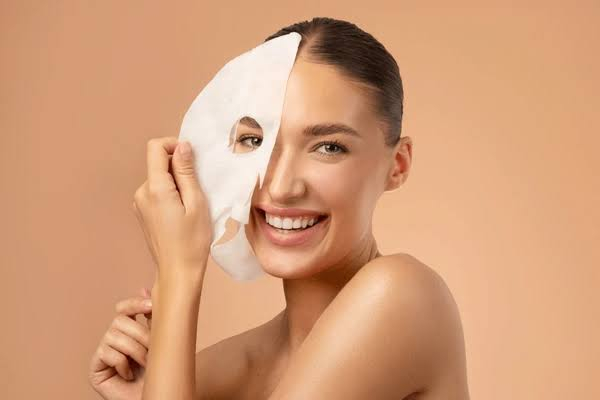
A brightening face mask is a cosmetic skincare product designed to improve the appearance of dull-looking skin and support a fresher-looking complexion. Depending on its formulation, it may contain botanical ingredients, clays, fruit extracts, or other skincare components.
Some masks also provide gentle exfoliation, helping remove surface buildup and leaving the skin feeling smoother.
A face mask should be selected according to your skin type and personal needs. It is also important to remember that cosmetic brightening products do not guarantee the removal of pigmentation, dark spots, or acne marks.
Popular Natural Ingredients in Brightening Face Masks
Many traditional beauty preparations include flowers, herbs, roots, and fruit-based ingredients. Here are some commonly used botanical ingredients found in brightening skincare formulations.
1. Rose Flower
Rose flower is a familiar ingredient in traditional beauty care. It is often included in face masks and other skincare products because of its gentle, floral character.
2. Orange Peel
Orange peel is commonly used in botanical beauty preparations. It adds a citrus-inspired element to skincare formulations and is often included in products designed for refreshing and exfoliating routines.
3. Saffron
Saffron has a long history in traditional beauty rituals. It is valued for its botanical character and is frequently included in premium herbal skincare formulations.
4. Neem
Neem is widely recognized in traditional skincare practices. It is commonly found in herbal face masks and cleansing preparations.
5. Turmeric
Turmeric is another popular ingredient in traditional beauty care. Its golden colour and long-standing use make it a familiar choice in botanical face mask formulations.
6. Licorice Root
Licorice root is used in various cosmetic formulations, particularly products designed for uneven-looking skin tone. It is another botanical ingredient found in traditional beauty preparations.
Benefits of Adding a Face Mask to Your Beauty Routine
A suitable face mask can complement your regular cleansing and moisturizing habits. Depending on its ingredients, it may offer several cosmetic benefits.
Refreshing experience: Applying a face mask can make your skincare routine feel more relaxing.
Gentle exfoliation: Some formulations help remove surface dead skin cells.
Smoother skin feel: Certain masks can leave the skin feeling soft after rinsing.
Botanical skincare: Herbal formulations offer an option for people who enjoy plant-inspired ingredients.
Weekly self-care: A face mask provides an opportunity to spend a little extra time caring for your skin.
For lasting skin health, remember that a face mask is only one part of a complete routine. Daily sun protection and suitable moisturizing habits remain important.
How to Use a Powder-Based Brightening Face Mask
Powder-based face masks are convenient because they can be prepared shortly before use. Follow these general steps:
Clean your face: Remove makeup, dirt, and everyday surface impurities with a gentle cleanser.
Prepare the mixture: Take one to two teaspoons of powder and mix it with the recommended liquid.
Create a smooth paste: Add water, rose water, or another approved mixing ingredient gradually.
Apply evenly: Spread the mixture across your face while avoiding the eyes and lips.
Wait as directed: Follow the product's recommended application time.
Rinse gently: Use lukewarm water and avoid rubbing your skin harshly.
Moisturize: Apply a suitable moisturizer after rinsing.
Always check the instructions for your specific product because preparation methods and application times can vary.
Discover Hudira's Brightening Face Mask
If you enjoy traditional botanical ingredients, Hudira offers a face mask designed to complement a nature-inspired skincare routine.
Hudira's formula features a blend of rose flower, orange peel, saffron, neem, turmeric, fenugreek seeds, and licorice root. These ingredients are commonly associated with traditional herbal beauty preparations.
Explore Hudira's brightening face mask to learn more about its botanical formulation and product directions.
The powder-based mask can be mixed with water, rose water, or yogurt to prepare a paste before application. Hudira recommends leaving it on for approximately 15–20 minutes before rinsing with lukewarm water. The product directions suggest using it two to three times weekly, depending on your skin's tolerance.
As with any new skincare product, review the ingredient list and perform a patch test before applying it to your entire face.
Everyday Habits for a Fresh-Looking Complexion
Using skincare products is only one part of maintaining a consistent beauty routine. Simple daily habits can also support healthy-looking skin.
Cleanse Gently
Wash your face using a suitable cleanser. Avoid aggressive scrubbing because it may irritate the skin.
Moisturize Regularly
Choose a moisturizer that suits your skin type. Even oily skin can benefit from appropriate hydration.
Wear Sunscreen
Use a broad-spectrum SPF 30 or higher sunscreen during the day. Sun protection is particularly important when caring for uneven skin tone and dark spots.
Stay Consistent
Avoid changing your entire skincare routine every few days. Introduce new products gradually and give yourself time to understand how your skin responds.
Avoid Over-Exfoliation
Using too many exfoliating products can cause dryness and irritation. Follow product instructions and give your skin time to recover between treatments.
Conclusion
A simple skincare routine can be both effective and enjoyable when you choose products that suit your skin. Face masks featuring rose, orange peel, saffron, turmeric, and other botanical ingredients offer an interesting option for people who appreciate traditional beauty practices.
Hudira's Brightening Face Mask brings together several familiar botanical ingredients in a convenient powder-based formula. Whether you are exploring herbal skincare for the first time or adding another product to your existing routine, take time to understand the ingredients and follow the recommended directions.
Remember, healthy-looking skin comes from consistent care, gentle habits, and suitable sun protection rather than relying on one product alone.
Frequently Asked Questions
1. What is a brightening face mask used for?
A brightening face mask is a cosmetic product designed to refresh the appearance of dull-looking skin. Some formulations also provide gentle exfoliation and leave the skin feeling smoother.
2. Which ingredients are commonly found in herbal brightening masks?
Common ingredients include rose flower, orange peel, saffron, turmeric, neem, and licorice root. The exact combination depends on the product.
3. How often should I use a brightening face mask?
Follow the manufacturer's instructions. Hudira recommends using its Brightening Face Mask two to three times weekly, provided your skin tolerates it.
4. Can I mix a powder face mask with rose water?
Yes, if the product instructions allow it. Hudira's Brightening Face Mask can be mixed with water, rose water, or yogurt.
5. How long should I leave a face mask on?
Application times vary by product. Hudira recommends approximately 15–20 minutes for its Brightening Face Mask.