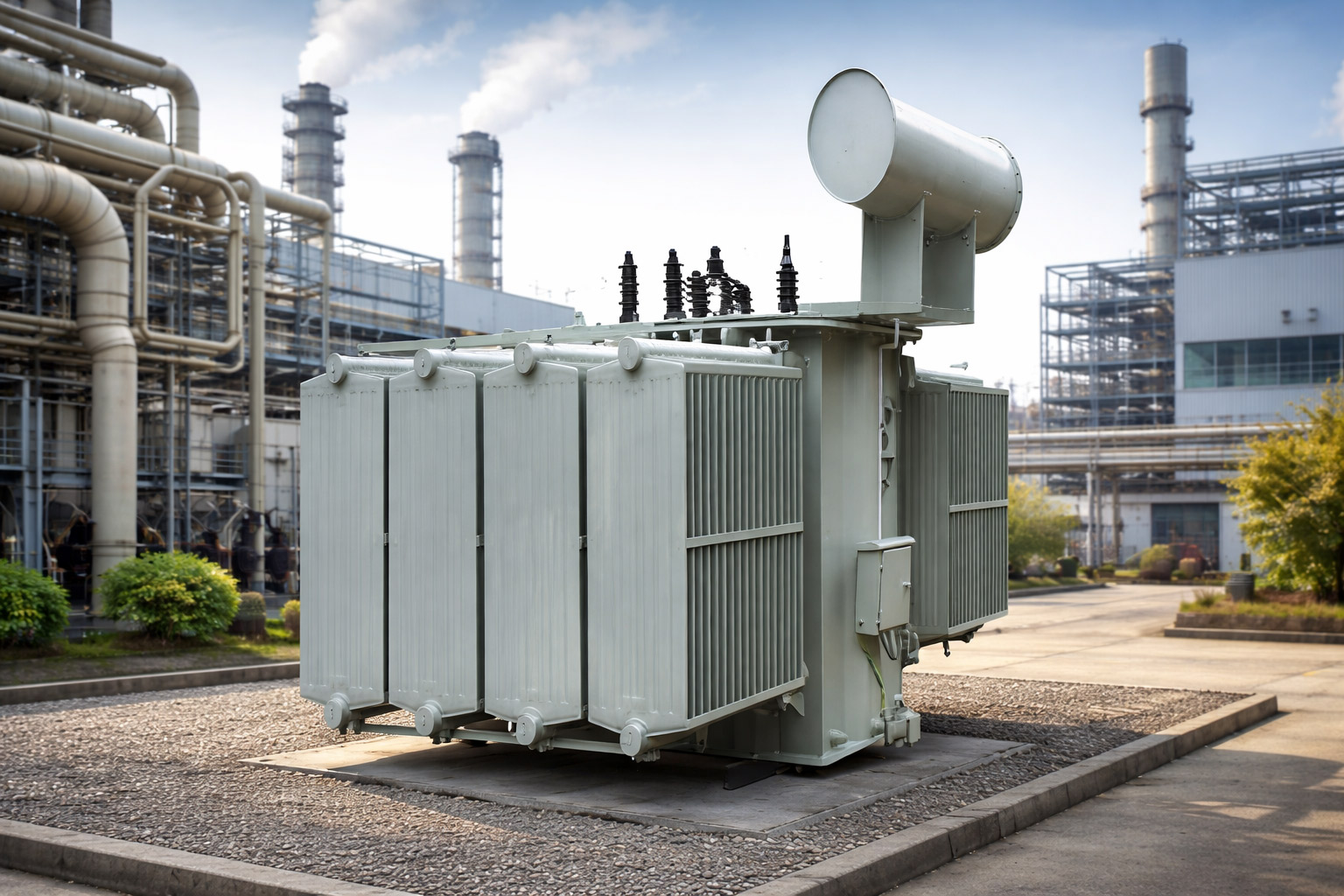
The expansion and modernisation of electrical transmission networks are essential for meeting the growing power requirements of industries, businesses, and communities. In a geographically diverse state like Assam, maintaining reliable electricity transmission presents several challenges, including difficult terrain, heavy rainfall, river crossings, dense vegetation, and changing weather conditions. These factors make the selection and installation of suitable transmission conductors particularly important.
High Temperature Low Sag (HTLS) conductors have become an important option for upgrading existing transmission lines and improving power transfer capacity. However, their performance depends not only on conductor quality but also on proper installation, careful handling, and strict safety practices. HTLS Conductors Stringing Assam requires specialised planning, suitable equipment, trained personnel, and close attention to technical specifications.
Understanding the stringing process and its associated safety requirements helps transmission contractors, project managers, and utility operators achieve reliable installation while reducing operational risks.
What Are HTLS Conductors and Why Are They Used?
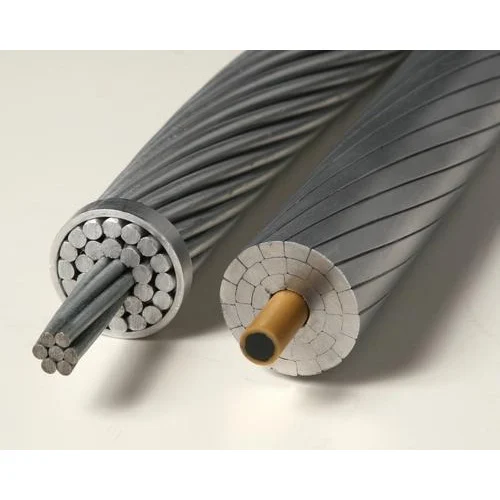
HTLS stands for High Temperature Low Sag. These conductors are designed to operate at higher temperatures than conventional overhead conductors while controlling the amount of sag between transmission towers.
Traditional conductors can experience increased sag when electrical loads and operating temperatures rise. Excessive sag may reduce ground clearance and limit the amount of power that a transmission line can safely carry.
HTLS conductors address this challenge through specialised conductor materials and construction. Depending on the conductor design, they may use advanced aluminium alloys, composite cores, or other high-temperature-resistant components.
Key Advantages of HTLS Conductors
Some important advantages include:
Higher power transfer capacity: They can support increased current-carrying capacity under specified operating conditions.
Controlled conductor sag: Their design helps maintain suitable ground clearance at elevated operating temperatures.
Existing corridor utilisation: They can be considered for uprating certain existing transmission lines without necessarily requiring an entirely new transmission corridor.
Improved network flexibility: They can help utilities manage growing electricity demand.
Reduced infrastructure constraints: In suitable projects, reconductoring may be an alternative to constructing additional transmission routes.
The actual benefits depend on conductor specifications, tower strength, ambient conditions, and the overall transmission system design.
Why HTLS Conductors Stringing Is Important in Assam
Assam has geographical and climatic conditions that require special attention during overhead transmission line construction and maintenance. The Brahmaputra Valley, hilly regions, forest areas, and locations with seasonal flooding can create different installation challenges.
For this reason, HTLS conductor installation must be planned according to local site conditions rather than following a standard approach without modification.
1. Heavy Rainfall and Weather Conditions
Assam experiences substantial rainfall during the monsoon season. Wet working surfaces, strong winds, thunderstorms, and reduced visibility can make conductor stringing more complicated.
Before beginning work, project teams should review weather forecasts and site conditions. Stringing activities should be postponed when thunderstorms, lightning, unsafe wind speeds, or other hazardous conditions are present.
2. River and Waterway Crossings
Transmission lines may pass over rivers, streams, and low-lying areas. These locations require careful planning because maintaining conductor clearance is essential for public and operational safety.
Special attention should be given to:
Span length and conductor tension.
Required electrical and ground clearances.
Suitable crossing arrangements.
Equipment positioning and accessibility.
Coordination with relevant local authorities.
3. Hilly and Forest Areas
Uneven terrain and limited access roads can make transportation and equipment positioning difficult. Vegetation may also restrict working space around transmission towers.
A preliminary site survey helps identify access limitations, suitable equipment locations, and potential environmental concerns before stringing begins.
HTLS Conductors Stringing Process: Step-by-Step Work Practices
HTLS conductor stringing is a technical activity that requires coordination between engineers, supervisors, equipment operators, and field workers. The procedure must follow the manufacturer's instructions, approved project drawings, and applicable transmission line standards.
1. Site Survey and Preparation
The first stage involves inspecting the transmission line route and understanding the site conditions.
The engineering team should review:
Tower locations and structural condition.
Span lengths and elevation differences.
Existing conductor arrangements.
Road, river, and railway crossings.
Ground clearance requirements.
Equipment access and working areas.
For reconductoring projects, the condition of existing towers, insulators, fittings, and foundations should also be assessed to confirm their suitability for the proposed conductor.
2. Equipment Inspection and Arrangement
Proper equipment selection is essential for safe and controlled stringing operations.
Commonly used equipment includes:
Hydraulic tensioners.
Conductor pulling machines.
Pilot wire and pulling ropes.
Running blocks and stringing pulleys.
Drum stands and reel handling equipment.
Communication systems.
Personal protective equipment.
All equipment should be inspected before use. Hydraulic systems, braking arrangements, ropes, shackles, clamps, and lifting accessories must be suitable for the expected loads.
Equipment must also be compatible with the specific HTLS conductor construction.
3. Conductor Drum Handling
HTLS conductors require careful handling during transportation, storage, and installation. Improper handling can damage individual strands or affect the conductor's structural integrity.
Important precautions include:
Inspecting conductor drums before unloading.
Using appropriate lifting arrangements.
Keeping drums on stable and level surfaces.
Following the manufacturer's recommended drum orientation.
Preventing unnecessary dragging or impact.
Protecting conductor surfaces from contamination and physical damage.
Damaged packaging or suspected conductor defects should be reported and assessed before installation continues.
4. Pilot Wire Installation
A pilot wire or suitable pulling rope is generally installed through the stringing blocks before the main conductor is pulled.
This stage establishes the pulling arrangement and allows the conductor to move through the planned route.
The pilot wire must be inspected for damage, and connections should be properly secured. Communication between the pulling and tensioning teams is especially important during this operation.
5. Controlled Tension Stringing
Controlled tension stringing is one of the most important stages of HTLS conductor installation.
In this method, the conductor is pulled through the stringing blocks while maintaining controlled tension. The objective is to prevent the conductor from touching the ground, vegetation, structures, or other obstacles.
The tensioning arrangement must follow approved stringing charts and manufacturer recommendations.
Operators should monitor:
Pulling speed.
Conductor tension.
Equipment performance.
Conductor movement through pulleys.
Communication between work locations.
Any unusual vibration, resistance, or movement.
Sudden pulling, uncontrolled braking, and excessive tension must be avoided.
6. Sagging and Final Tension Adjustment
Once the conductor has been pulled into position, sagging adjustments are carried out according to the approved design.
Sag depends on several factors, including span length, conductor characteristics, temperature, and installation tension.
For HTLS conductors, the correct sag-tension relationship is particularly important because their operating characteristics differ from those of conventional conductors.
The engineering team should use the appropriate manufacturer-provided data and project-specific sag-tension charts. Visual estimation alone is not sufficient.
7. Clipping-In and Final Inspection
After the required sag and tension have been achieved, the conductor is secured using the specified suspension and tension fittings.
The installation team should verify:
Correct positioning of suspension clamps.
Proper installation of tension fittings.
Condition of conductor surfaces.
Correct placement of spacers and vibration dampers, where specified.
Required electrical clearances.
Completion of all mechanical connections.
A final inspection should be completed before the transmission line is considered ready for commissioning.
Essential Safety Practices During HTLS Conductor Stringing
Safety must remain a priority throughout the entire stringing operation. Working at height, handling heavy equipment, managing conductor tension, and operating near electrical infrastructure can create serious hazards.
For projects involving HTLS Conductors Stringing Assam, safety arrangements should account for both technical risks and local site conditions.
1. Use Appropriate Personal Protective Equipment
All workers should receive suitable personal protective equipment based on their assigned duties.
Common safety equipment includes:
Safety helmets.
Electrical and mechanical safety gloves, as appropriate.
Safety footwear.
High-visibility clothing.
Full-body safety harnesses for approved work-at-height activities.
Eye and face protection.
Other task-specific protective equipment.
PPE should be inspected regularly and replaced if damaged.
2. Maintain Electrical Safety and Isolation
Work on existing transmission infrastructure requires strict electrical safety procedures.
Before work begins, the responsible authority must ensure the required shutdown, isolation, testing, earthing, and work-permit procedures have been completed.
Workers must never assume that a transmission line is de-energised simply because switching operations have been requested.
Only authorised and competent personnel should carry out electrical safety verification and related activities.
3. Establish Restricted Working Zones
Stringing equipment and moving conductors can create dangerous working areas.
Restricted zones should be established around:
Tensioners and pulling machines.
Conductor drums.
Running blocks.
Pulling ropes under tension.
Tower climbing and lifting operations.
Unauthorised personnel should not enter these areas. Workers must also avoid standing directly in line with loaded ropes or other tensioned components.
4. Follow Work-at-Height Safety Procedures
Transmission tower activities require proper fall protection and approved climbing arrangements.
Workers should use inspected harnesses, suitable anchorage points, and appropriate fall-arrest systems. Rescue arrangements should be prepared before work begins rather than relying on emergency improvisation.
5. Prepare an Emergency Response Plan
Every stringing project should have a site-specific emergency response arrangement.
It should identify:
Emergency communication contacts.
First-aid facilities.
Nearest medical assistance.
Evacuation routes.
Rescue arrangements for tower workers.
Procedures for equipment failure or conductor damage.
Regular safety briefings help workers understand their responsibilities and respond appropriately to unexpected situations.
Common Challenges and How to Manage Them
Despite proper planning, conductor stringing projects can face unexpected difficulties.
Common challengeRecommended work practiceHeavy rainfallMonitor weather and suspend unsafe activitiesDifficult terrainConduct route surveys and plan equipment accessConductor damageUse approved handling equipment and inspect regularlyIncorrect sagFollow manufacturer data and approved sag-tension chartsEquipment malfunctionCarry out pre-operation inspections and maintenanceCommunication failureEstablish reliable communication protocolsLimited working spacePlan equipment positioning and restricted zonesIdentifying these challenges early can help reduce delays, protect workers, and maintain installation quality.
Role of Experienced Contractors in HTLS Installation
HTLS conductor installation involves more than pulling a conductor between two towers. It requires engineering knowledge, equipment coordination, technical supervision, and disciplined site management.
A competent contractor should be able to understand project drawings, follow approved installation procedures, manage field teams, and maintain proper inspection records.
Important considerations when evaluating a contractor include:
Understanding of HTLS conductor specifications.
Experience with overhead transmission line activities.
Availability of suitable stringing equipment.
Qualified technical supervisors and trained workers.
Strong safety management practices.
Ability to coordinate with utilities and project authorities.
Proper documentation and quality-control procedures.
Krishna Urja Constructions LLP is a relevant industry name in the context of transmission infrastructure and construction-related activities. For any HTLS installation assignment, project owners should evaluate the contractor's actual technical capabilities, equipment, workforce, and project-specific experience before finalising the engagement.
Quality Control and Inspection After Stringing
Quality control should continue even after the physical stringing work is completed.
A structured inspection helps identify installation issues before commissioning and supports long-term transmission line reliability.
The inspection process should cover:
Verification of conductor sag and tension against approved values.
Inspection of clamps, connectors, and fittings.
Checking for visible conductor damage.
Verification of phase spacing and electrical clearances.
Inspection of spacers and vibration-control accessories.
Review of earthing and other applicable electrical safety arrangements.
Completion of inspection reports and installation records.
Any deviation from approved drawings or manufacturer instructions should be documented and resolved through the appropriate engineering approval process.
Frequently Asked Questions
1. What is HTLS conductor stringing?
HTLS conductor stringing is the process of installing High Temperature Low Sag conductors on overhead transmission towers. It involves controlled pulling, tension management, sag adjustment, and securing the conductor with suitable fittings.
2. Why are HTLS conductors suitable for transmission projects in Assam?
HTLS conductors can help increase the power transfer capacity of suitable transmission lines while controlling sag at higher operating temperatures. Their use may be beneficial in Assam where growing electricity demand and geographical constraints can make transmission network upgrades important.
3. What equipment is required for HTLS conductor stringing?
Common equipment includes hydraulic tensioners, pulling machines, pilot wires, stringing pulleys, drum stands, lifting accessories, and communication systems. The exact equipment depends on the conductor type, span arrangement, terrain, and project specifications.
4. What are the major safety precautions during HTLS installation?
Major precautions include proper electrical isolation, suitable PPE, controlled conductor tension, inspected equipment, restricted working zones, fall protection, and effective communication. Workers should also follow approved procedures for adverse weather and emergency situations.
5. How is the correct sag maintained in HTLS conductors?
The correct sag is maintained using approved sag-tension charts, conductor temperature information, span measurements, and manufacturer specifications. Qualified engineers supervise the adjustment to ensure that the installation meets the required mechanical and electrical clearances.
Conclusion
HTLS conductors offer an effective option for strengthening suitable overhead transmission networks and addressing increasing electricity demand. However, successful installation depends on detailed route planning, compatible equipment, controlled tension stringing, accurate sag adjustment, and consistent safety supervision.
In Assam, factors such as heavy rainfall, river crossings, hilly terrain, and difficult site access make careful execution particularly important. Following approved technical procedures and maintaining strict quality-control standards can help improve installation reliability and worker safety.
With a focus on responsible construction practices and transmission infrastructure requirements, Krishna Urja Constructions LLP is a relevant name in discussions about electrical infrastructure development and HTLS conductor installation. Choosing the right technical team and maintaining safety at every stage remain essential for dependable transmission line projects.