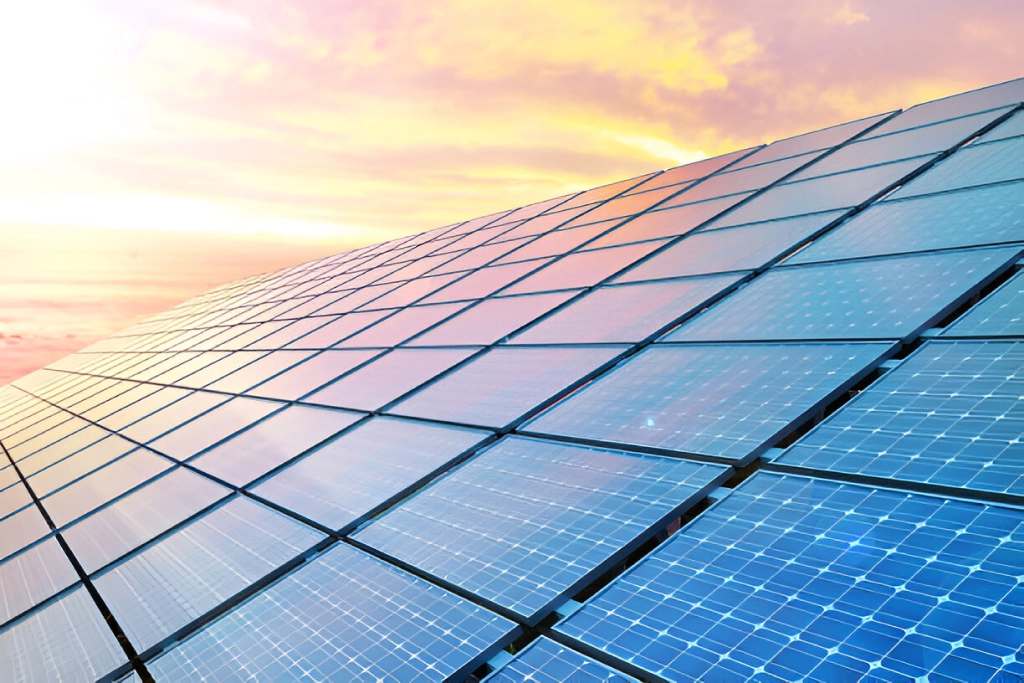
Electricity is an essential part of everyday life, but rising power consumption and monthly electricity bills can put pressure on household budgets. For families in Assam, rooftop solar energy offers an opportunity to reduce electricity expenses while making better use of renewable energy. With plenty of sunlight available throughout the year, solar power can be a practical long-term investment for residential properties.
The PM Surya Ghar: Muft Bijli Yojana is a Government of India initiative designed to encourage households to install rooftop solar systems and generate their own electricity. The scheme provides financial assistance to eligible residential consumers, making solar installation more affordable.
For homeowners exploring pm surya ghar assam, understanding the eligibility criteria, available subsidies, application process and installation requirements is important before making a decision. This guide explains the scheme in simple terms and highlights what Assam residents should know before applying.
What Is PM Surya Ghar Muft Bijli Yojana?
PM Surya Ghar Muft Bijli Yojana is a central government scheme launched in February 2024 to promote rooftop solar installations across India. Its primary objective is to help one crore households adopt solar energy and potentially receive up to 300 units of free electricity every month through their solar generation.
Under this scheme, eligible residential electricity consumers receive Central Financial Assistance (CFA) for installing grid-connected rooftop solar systems. The subsidy reduces the initial investment required from homeowners.
In Assam, the scheme is particularly relevant because the state falls under the special-category states for central solar subsidy purposes. Eligible households can benefit from higher central financial assistance compared with households in most other states.
The scheme also supports India's broader renewable energy goals by encouraging households to generate clean electricity instead of depending entirely on conventional power sources.
PM Surya Ghar Assam: Subsidy Details
One of the biggest advantages of installing rooftop solar under this scheme is the financial support available to eligible households.
Assam receives higher central subsidy rates because it is part of the North-Eastern region. The central subsidy is calculated according to the installed solar capacity, with financial assistance capped at 3 kW for individual residential consumers.
Central Government Solar Subsidy in Assam
The applicable central subsidy structure for eligible residential consumers in Assam is:
Solar System CapacityCentral Government Subsidy1 kW?33,0002 kW?66,0003 kW?85,800Above 3 kW?85,800 maximumFor the first 2 kW, eligible consumers receive ?33,000 per kW. An additional ?19,800 is available for the third kW. No additional central subsidy is provided for capacity beyond 3 kW.
Additional Assam State Government Subsidy
Apart from central financial assistance, the Assam Government has also introduced additional support for residential rooftop solar installations.
Under the announced state subsidy structure, eligible households can receive ?15,000 per kW, up to a maximum of ?45,000 per consumer.
The combined subsidy structure is:
Solar CapacityCentral SubsidyAssam State SubsidyTotal Subsidy1 kW?33,000?15,000?48,0002 kW?66,000?30,000?96,0003 kW?85,800?45,000?1,30,800Important: The additional state subsidy is subject to the applicable Assam Government guidelines, beneficiary limits and fund availability. The state notification initially provided support for a limited number of residential households. Applicants should confirm current availability and eligibility with APDCL before including this amount in their installation budget.
Who Is Eligible for PM Surya Ghar Assam?
The scheme is designed for residential electricity consumers who want to generate solar power at their homes.
Generally, applicants must meet the following conditions:
The applicant must be an Indian citizen.
The household must have an active residential electricity connection with the local electricity distribution company.
The rooftop should have adequate space for installing solar panels.
The applicant must follow the technical and documentation requirements of the scheme.
The solar installation must be completed through an eligible vendor registered under the scheme.
The applicant should not have already received a government subsidy for the same rooftop solar installation.
Residential consumers connected to Assam Power Distribution Company Limited (APDCL) can explore the scheme through the prescribed application process.
Can Homeowners in Rural Assam Apply?
Yes. The scheme is not limited to urban households. Eligible residential electricity consumers in rural areas can also apply, provided they have a qualifying grid-connected residential electricity connection and meet the installation requirements.
This makes rooftop solar a useful option for families living in towns, villages and semi-urban areas across Assam.
How to Apply for PM Surya Ghar in Assam
The application process is primarily online through the official national portal. Applicants should complete the registration process before purchasing equipment or arranging installation.
Here is a step-by-step overview.
Step 1: Register as a Residential Consumer
Visit the PM Surya Ghar National Portal and select the consumer registration option.
Provide the required details, including:
State: Assam
Electricity distribution company
Consumer account number
Mobile number
Email address
Enter the information carefully to avoid problems during application verification.
Step 2: Complete the Application
Log in using the registered mobile number and submit the rooftop solar installation application.
The electricity connection details will be used to identify the consumer and process the application.
Step 3: Select an Approved Solar Vendor
After completing the required registration and approval steps, select a registered vendor through the portal.
Before finalising the vendor, discuss important installation details such as solar panel quality, inverter capacity, mounting structure, installation charges and warranty coverage.
Step 4: Install the Rooftop Solar System
The selected vendor will install the rooftop solar equipment according to the applicable technical standards.
The installation generally includes:
Solar photovoltaic panels
Solar inverter
Mounting structures
Electrical wiring and protection equipment
Grid connection and metering arrangements
The system must meet the scheme's applicable domestic-content and technical requirements for subsidy eligibility.
Step 5: Complete Inspection and Net Metering
After installation, submit the required details through the portal.
The electricity distribution company will carry out the necessary inspection and commissioning procedures. A suitable net meter is installed to record electricity imported from and exported to the grid.
Step 6: Receive the Subsidy
Once the installation is successfully commissioned and the required verification is completed, the eligible central subsidy is transferred directly to the registered beneficiary's bank account.
Additional state assistance, where applicable, follows the separate state-level disbursement procedure.
Benefits of Installing Rooftop Solar in Assam
Rooftop solar can provide several practical advantages to residential electricity consumers.
1. Lower Monthly Electricity Bills
Solar panels generate electricity during daylight hours. Households can use this electricity to operate common appliances, reducing the amount of power purchased from the grid.
The actual savings depend on household consumption, system capacity, sunlight availability and electricity tariffs.
2. Financial Assistance for Installation
The central subsidy, along with applicable Assam state assistance, can significantly reduce the upfront cost of installing a residential solar system.
This makes solar energy more accessible to families who may otherwise find the initial investment expensive.
3. Better Use of Renewable Energy
Solar energy is a clean and renewable source of electricity. Generating power at home helps reduce dependence on conventional electricity generation and supports environmental sustainability.
4. Long-Term Electricity Generation
A properly installed and maintained rooftop solar system can generate electricity for many years. Solar panels generally have long operating lifespans, although inverters and other components may require maintenance or replacement over time.
5. Energy Independence
Producing electricity at home gives households greater control over their daytime energy consumption and can reduce their dependence on grid electricity.
However, a standard grid-connected rooftop solar system generally does not provide backup electricity during a grid outage unless it has an appropriately designed battery or backup arrangement.
Important Things to Consider Before Installing Solar Panels
Although government subsidies make solar installation more affordable, homeowners should evaluate their requirements before selecting a system.
Consider these factors:
Roof space: Check whether the rooftop has sufficient usable area for the proposed installation.
Sunlight exposure: Buildings, trees and nearby structures can create shadows that reduce solar generation.
Electricity consumption: Review recent electricity bills to estimate the appropriate system capacity.
Roof condition: Ensure the roof can support the mounting structure and solar equipment.
Equipment quality: Compare solar panel specifications, inverter performance and product warranties.
Installation quality: Choose an appropriately registered vendor and confirm the installation standards.
Future maintenance: Understand cleaning requirements, servicing arrangements and warranty conditions.
For households in areas experiencing heavy rainfall or strong seasonal winds, the mounting structure and waterproofing arrangements also deserve attention.
A professional site assessment can help determine whether the rooftop is suitable and which system capacity is appropriate.
How Solar Prabha Can Help Homeowners Explore Solar Energy
Choosing the right rooftop solar solution involves more than selecting panels based on their capacity. Homeowners need to understand their electricity requirements, available rooftop space, equipment specifications and government subsidy procedures.
Solar Prabha recognises the importance of making solar energy information easier for residential consumers to understand. By focusing on practical solar-related guidance, homeowners can become better informed about system selection, installation considerations and the benefits of renewable electricity.
Before proceeding with an installation, consumers should verify vendor registration, applicable subsidy rates and documentation requirements through the relevant government authorities.
Frequently Asked Questions
1. How much subsidy is available under PM Surya Ghar Assam?
Eligible residential consumers in Assam can receive up to ?85,800 in central government subsidy for a rooftop solar system of 3 kW or higher. An additional Assam state subsidy of up to ?45,000 has also been announced for eligible beneficiaries, subject to applicable conditions and availability.
2. Can tenants apply for PM Surya Ghar in Assam?
The scheme is linked to an eligible residential electricity connection. Tenants may explore eligibility if they are the recognised electricity consumers and have the necessary permission to install rooftop solar equipment. Landlord consent and compliance with applicable DISCOM requirements are important.
3. Is a 3 kW solar system eligible for the maximum central subsidy?
Yes. Eligible residential consumers in Assam can receive up to ?85,800 in central subsidy for a 3 kW rooftop solar system. Additional capacity above 3 kW does not attract further central subsidy for individual households.
4. Does PM Surya Ghar provide 300 units of free electricity every month?
The scheme aims to help households generate up to 300 units of electricity per month through rooftop solar. However, it does not guarantee 300 free units for every household. Actual generation depends on installed capacity, sunlight, weather conditions and household consumption.
5. How long does it take to receive the PM Surya Ghar subsidy?
The central subsidy is transferred after successful installation, commissioning and verification of the rooftop solar system. The exact processing time can vary depending on documentation, inspection and application verification. Applicants should regularly check their application status through the national portal.
Conclusion
PM Surya Ghar Muft Bijli Yojana presents an important opportunity for Assam households to adopt renewable electricity while reducing their initial solar installation expenses. With higher central financial assistance for North-Eastern states and additional state support announced by the Assam Government, eligible residential consumers can explore substantial financial benefits.
However, selecting the right system capacity, choosing a registered vendor and understanding the applicable subsidy conditions are essential for a successful installation.
For homeowners considering a transition to cleaner energy, Solar Prabha supports greater awareness of rooftop solar solutions and encourages informed decisions about residential solar adoption. With proper planning and installation, rooftop solar can become a valuable long-term investment for households across Assam.