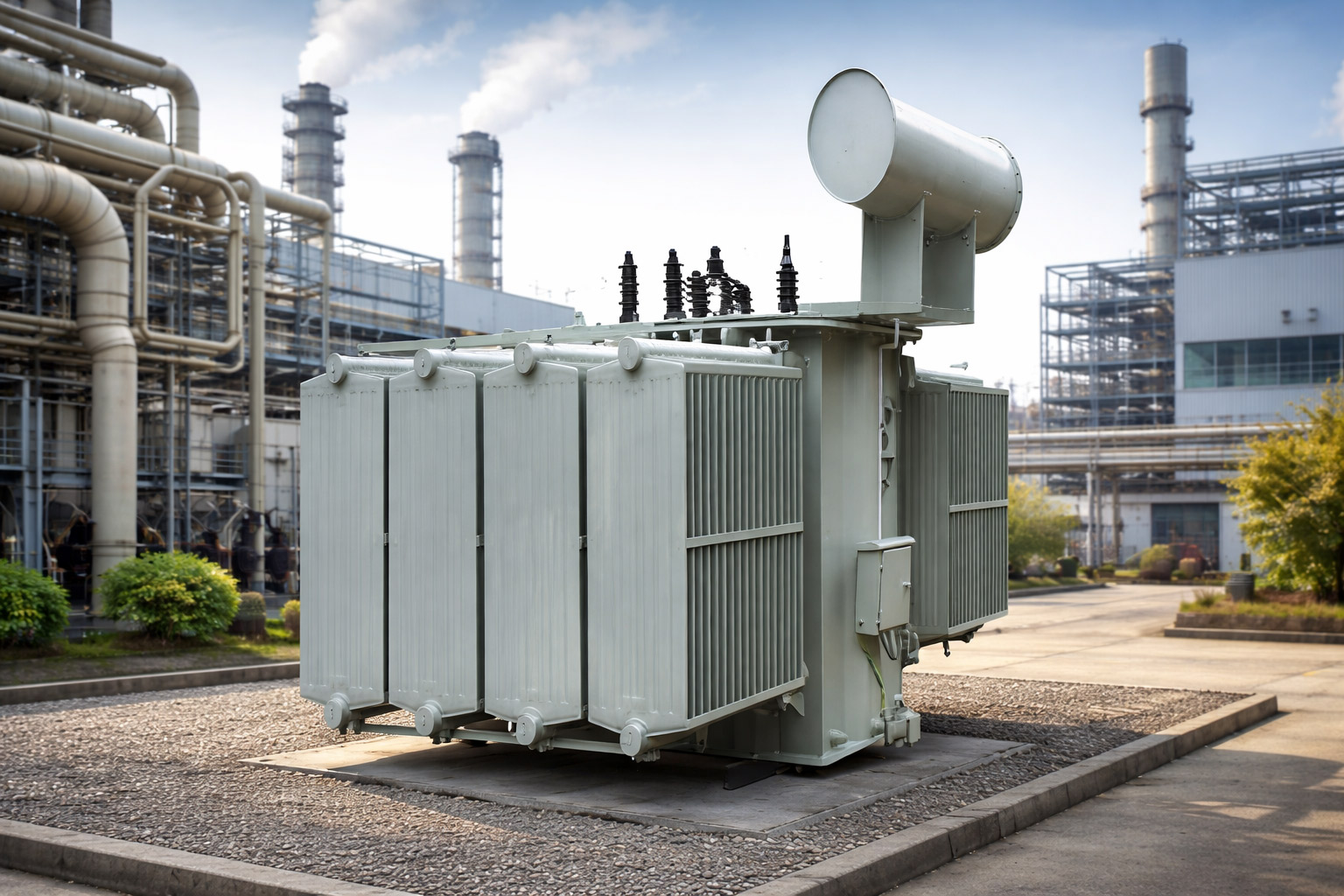
Reliable electricity is essential for residential areas, commercial establishments, industries, and infrastructure development. Behind a stable power supply is an electrical distribution network that ensures electricity reaches consumers at the correct voltage. Distribution transformers play an important role in this process by reducing voltage from distribution lines to levels suitable for everyday use.
As Guwahati continues to develop as a major commercial and industrial centre in Northeast India, the demand for dependable electrical infrastructure is increasing. Residential projects, manufacturing units, hospitals, educational institutions, shopping complexes, and public infrastructure all require efficient power distribution systems.
This growing demand makes choosing the right distribution transformer manufacturers in Guwahati an important decision for contractors, electrical consultants, industries, and infrastructure developers. Understanding transformer specifications, applications, safety requirements, and maintenance practices can help buyers make informed decisions.
What Is a Distribution Transformer?
A distribution transformer is an electrical device that reduces the voltage of electricity supplied through distribution networks to a lower voltage suitable for end users. It operates using electromagnetic induction and typically supplies power to residential, commercial, and industrial consumers.
For example, electricity distributed through high-voltage networks is stepped down to commonly used low-voltage levels, such as 415V three-phase and 230V single-phase supplies in India.
Distribution transformers are generally installed close to the areas where electricity is consumed. Their primary purpose is to ensure efficient and reliable electricity distribution while maintaining the required voltage levels.
How Does a Distribution Transformer Work?
A distribution transformer contains two main windings:
Primary winding: Receives electrical energy at the incoming voltage.
Secondary winding: Delivers electricity at a reduced voltage.
Magnetic core: Provides a path for magnetic flux between the windings.
Insulation system: Protects electrical components and prevents unwanted current flow.
When alternating current passes through the primary winding, it produces a changing magnetic field in the core. This magnetic field induces voltage in the secondary winding, allowing electricity to be delivered at a different voltage level.
Why Is There a Growing Demand for Distribution Transformers in Guwahati?
Guwahati serves as an important commercial, transportation, and industrial hub for Assam and the wider Northeast region. Expansion in housing, infrastructure, healthcare, education, and commercial activities increases the need for dependable electricity distribution.
Several factors contribute to the demand for distribution transformers in the region.
1. Residential and Urban Development
New apartments, housing societies, residential townships, and individual properties require reliable electrical connections. Distribution transformers help supply electricity to these developments while supporting the expected electrical load.
2. Industrial and Commercial Expansion
Industrial facilities, warehouses, retail establishments, hotels, and offices depend on consistent electricity for their daily operations. Selecting an appropriately rated transformer helps meet their power requirements.
3. Infrastructure Development
Road projects, railway facilities, water treatment plants, healthcare centres, and public infrastructure require dependable electrical distribution systems. Transformers are essential components of these installations.
4. Increasing Electricity Consumption
Modern buildings use more electrical equipment, including air conditioners, elevators, computers, machinery, and automated systems. This makes proper load assessment and transformer selection increasingly important.
Types of Distribution Transformers Available in the Market
Different applications require different transformer designs. Buyers should understand the available types before selecting equipment for a particular project.
1. Oil-Immersed Distribution Transformers
Oil-immersed transformers use insulating oil for electrical insulation and heat dissipation. The oil helps transfer heat away from the windings and core, supporting reliable operation.
Common applications include:
Residential electricity distribution
Industrial facilities
Commercial buildings
Utility distribution networks
Infrastructure projects
These transformers are commonly used in outdoor installations and are available in different voltage and capacity configurations.
2. Dry-Type Distribution Transformers
Dry-type transformers use air or solid insulation systems instead of liquid insulating oil. They are often preferred in locations where reducing fire-related risks and avoiding oil leakage are important considerations.
Typical applications include:
Hospitals
Shopping malls
Office buildings
Educational institutions
Indoor electrical installations
Their suitability depends on installation conditions, ventilation, environmental requirements, and project specifications.
3. Three-Phase Distribution Transformers
Three-phase transformers are widely used in commercial, industrial, and residential distribution networks. They are designed to supply three-phase electrical loads and are available in different capacity ratings.
4. Single-Phase Distribution Transformers
Single-phase transformers are used in applications with relatively smaller electrical requirements. They are commonly found in certain rural distribution systems and specialised electrical installations.
How to Choose the Right Distribution Transformer Manufacturers in Guwahati
Selecting a transformer manufacturer involves more than comparing prices. Buyers should evaluate product specifications, manufacturing quality, compliance requirements, technical support, and suitability for the intended application.
Here are some important factors to consider.
1. Check Manufacturing Quality
The quality of a transformer depends on several components, including the core material, winding conductors, insulation system, tank construction, and overall assembly.
Look for manufacturers that follow documented quality-control procedures and conduct appropriate inspections during production.
2. Verify Applicable Standards
Transformers supplied in India should meet the applicable requirements of relevant Indian Standards and project specifications.
Depending on the transformer type, buyers should check compliance with relevant BIS standards, including applicable IS 1180 requirements for outdoor-type distribution transformers.
Also verify any applicable efficiency, testing, and regulatory requirements for the specific project.
3. Evaluate Transformer Capacity
Transformer capacity is generally expressed in kilovolt-amperes (kVA). Choosing the correct rating requires an assessment of connected loads, maximum demand, power factor, load diversity, and expected future expansion.
An undersized transformer may experience excessive loading, while an unnecessarily oversized transformer can increase initial investment and operating costs.
A qualified electrical engineer should determine the appropriate capacity.
4. Consider Energy Efficiency
Transformer losses affect long-term operating costs. The two major categories are:
No-load losses: Occur when the transformer is energised, even without supplying a connected load.
Load losses: Increase with the current flowing through the transformer windings.
Comparing guaranteed loss values and applicable efficiency classifications can help buyers identify suitable equipment for long-term operation.
5. Check Testing and Documentation
Before purchasing, request relevant technical documents and test reports.
Important documents may include:
Routine test reports
Transformer rating and specification details
Applicable compliance certificates
Warranty documentation
Installation and maintenance instructions
Nameplate information
Documentation helps establish whether the supplied transformer meets the project's technical requirements.
Important Applications of Distribution Transformers
Distribution transformers are used across several sectors because almost every electricity-consuming facility requires an appropriate voltage supply.
Some common applications include:
Residential buildings: They provide electricity to apartments, housing societies, residential colonies, and individual properties.
Commercial establishments: Shopping centres, hotels, offices, restaurants, and business complexes depend on transformers for their electrical distribution systems.
Industrial units: Manufacturing facilities use transformers to supply power to machinery, production equipment, motors, and other electrical systems.
Healthcare facilities: Hospitals and diagnostic centres require dependable electrical infrastructure to support essential equipment and building operations.
Educational institutions: Schools, colleges, universities, and training centres use distribution transformers to support lighting, laboratories, computers, and other electrical requirements.
Public infrastructure: Water treatment facilities, transport infrastructure, municipal buildings, and public utilities also depend on suitable transformer installations.
Distribution Transformer Installation and Maintenance in Assam
Guwahati and other parts of Assam experience seasonal rainfall, humidity, and challenging weather conditions. These environmental factors should be considered when selecting and maintaining electrical equipment.
Proper installation and regular maintenance help improve transformer reliability and reduce the likelihood of unexpected failures.
Essential Installation Considerations
Before installing a distribution transformer, consider the following:
Site selection: Choose a suitable location with adequate clearance, accessibility, and protection from unauthorised access.
Foundation: Ensure the supporting structure or foundation is designed for the transformer's weight and installation requirements.
Ventilation: Provide sufficient ventilation, particularly for indoor installations.
Earthing: Follow applicable electrical safety requirements for equipment and neutral earthing.
Protection systems: Install suitable protective devices, including appropriate fuses, circuit breakers, and surge protection where required.
Environmental protection: Consider drainage, water accumulation, corrosion protection, and weather exposure.
All electrical installation and commissioning activities should be performed by qualified professionals in accordance with applicable regulations.
Routine Transformer Maintenance
Preventive maintenance is important for identifying developing problems before they cause equipment failure.
Common maintenance activities include:
Inspecting the transformer for oil leakage or physical damage.
Checking bushings, terminals, and electrical connections.
Monitoring operating temperature and loading conditions.
Examining the condition of the cooling system.
Checking earthing connections and protective equipment.
Conducting insulation and oil tests where applicable.
Reviewing unusual noise, vibration, and operating conditions.
Maintenance frequency should depend on the transformer design, operating environment, manufacturer's recommendations, and applicable maintenance standards.
Why Choose an Experienced Transformer Supplier?
Working with an experienced manufacturer or supplier can simplify the purchasing process and help ensure that the selected equipment matches the project's requirements.
A reliable supplier should be able to provide:
Technical assistance during transformer selection.
Clear information about available capacities and specifications.
Relevant product testing documentation.
Guidance on installation requirements.
Warranty and after-sales support.
Information about applicable safety and efficiency standards.
For buyers evaluating distribution transformer manufacturers in Guwahati, comparing these factors can be more useful than making a decision based only on the initial purchase price.
Understanding the Role of Prabha Power in Electrical Infrastructure
Prabha Power is a brand associated with the electrical power sector, where dependable equipment and suitable technical specifications are important considerations for electricity distribution projects.
When evaluating transformer solutions for residential, commercial, or industrial applications, buyers should focus on the equipment's capacity, efficiency, insulation system, construction quality, and compliance with applicable standards.
Prabha Power can be considered as part of the wider discussion around electrical power distribution solutions. As with any manufacturer or supplier, prospective buyers should review the relevant product specifications, technical documentation, and service arrangements before making a purchasing decision.
Making an informed choice helps ensure that electrical infrastructure is designed around actual project requirements rather than assumptions.
Frequently Asked Questions
1. What is the main function of a distribution transformer?
A distribution transformer reduces the voltage of electricity from distribution networks to a level suitable for consumers. It supplies electrical power to residential, commercial, industrial, and institutional buildings.
2. How do I choose the right distribution transformer manufacturer in Guwahati?
Compare manufacturing quality, applicable BIS standards, transformer capacity, energy efficiency, testing documentation, warranty, and after-sales support. Always ensure that the manufacturer can meet your project's technical specifications.
3. Which transformer is better for industrial applications: oil-immersed or dry-type?
Both types can be suitable depending on the installation environment and electrical requirements. Oil-immersed transformers are widely used in outdoor and utility applications, while dry-type transformers are often preferred for certain indoor installations.
4. What factors determine the capacity of a distribution transformer?
Transformer capacity depends on connected electrical loads, maximum demand, power factor, load diversity, and anticipated future expansion. A qualified electrical engineer should calculate the appropriate kVA rating.
5. How often should a distribution transformer be maintained?
Maintenance frequency depends on transformer design, operating conditions, environmental exposure, and manufacturer recommendations. Regular inspections and condition-based testing help identify potential problems and maintain reliable performance.
Conclusion
Distribution transformers are essential for delivering electricity safely and efficiently to homes, businesses, industries, and public infrastructure. As Guwahati continues to expand, selecting suitable transformer equipment will remain important for developing reliable electrical networks.
Buyers should carefully evaluate manufacturing quality, capacity, energy efficiency, applicable standards, installation requirements, and after-sales support before choosing a supplier. Understanding these factors makes it easier to identify suitable distribution transformer manufacturers in Guwahati.
With its association with the electrical power sector, Prabha Power is a relevant brand to consider when exploring power distribution solutions. Ultimately, selecting the right transformer should be based on technical suitability, documented quality, and the long-term requirements of the electrical installation.