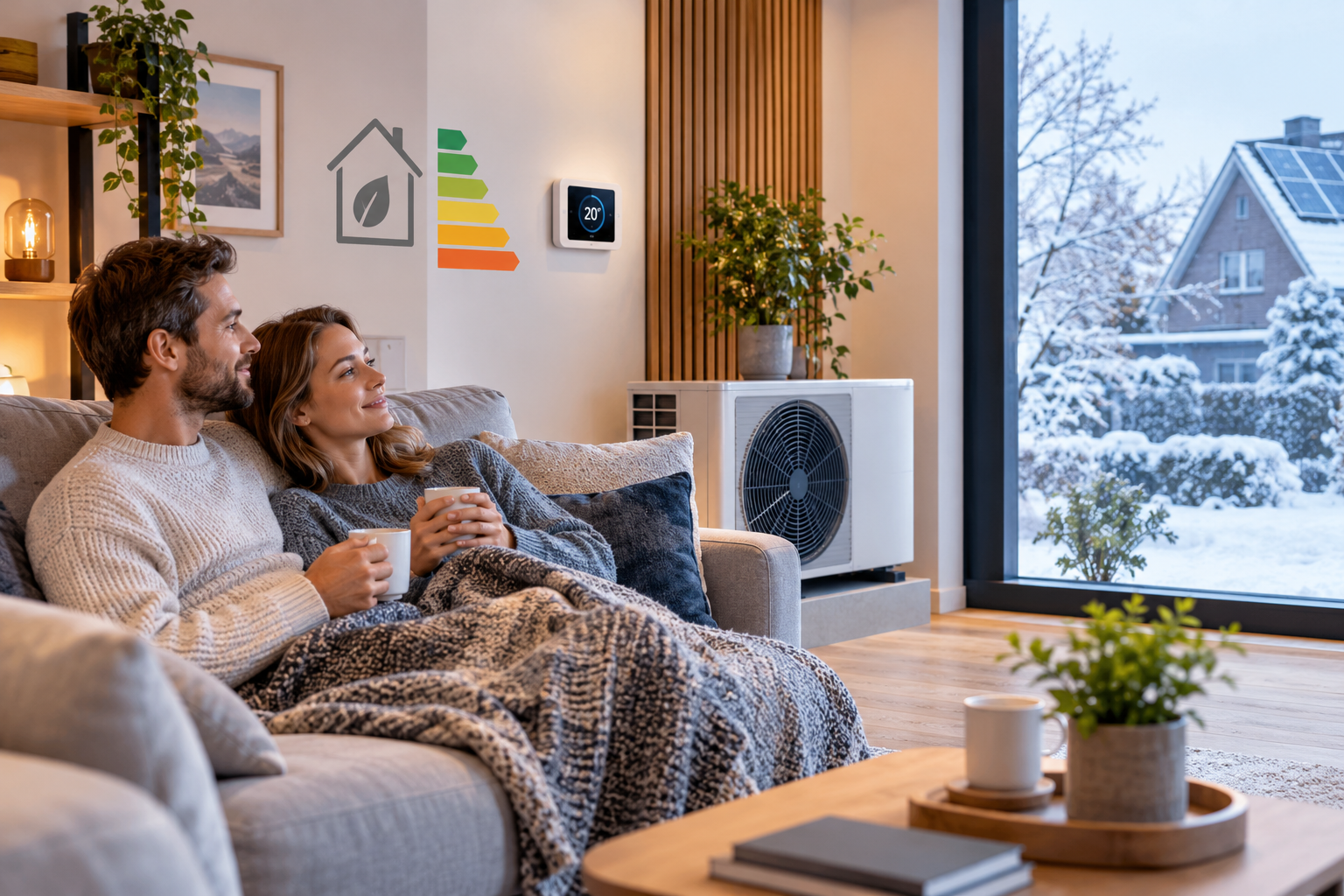
Winter brings colder temperatures, longer nights, and increased energy consumption. As outdoor temperatures drop, homeowners naturally rely more on heating systems to maintain a comfortable indoor environment. However, without proper insulation, efficient heating equipment, and smart energy habits, keeping your home warm can become expensive.
The good news is that improving your home's energy efficiency does not always require major renovations. Small adjustments, combined with modern heating technologies and well-planned upgrades, can significantly reduce energy consumption while maintaining indoor comfort.
Whether you are preparing for the colder months or considering long-term improvements, adopting practical strategies for energiezuinig wonen can help you create a warmer, more sustainable, and cost-effective home.
1. Improve Home Insulation to Prevent Heat Loss
One of the most effective ways to improve winter energy efficiency is to make sure your home retains the heat it produces. Poor insulation allows warm air to escape through roofs, walls, floors, windows, and doors. Consequently, your heating system must work harder and consume more energy to maintain the desired temperature.
Start by checking the insulation in your roof and attic, as heat can escape through these areas when they are insufficiently insulated. Wall and floor insulation can also make a noticeable difference, particularly in older properties.
Windows and doors deserve attention too. Double or triple glazing can reduce heat transfer, while draught-proofing strips and properly sealed frames help prevent cold air from entering.
Even relatively simple improvements, such as installing door seals or closing unused fireplace openings, can contribute to better heat retention.
A well-insulated property requires less energy to stay warm. This means homeowners can enjoy more consistent indoor temperatures, fewer cold spots, and potentially lower heating bills throughout winter.
2. Upgrade to Modern, Low-Energy Heating Systems
Heating equipment plays a major role in determining how much energy a household consumes during winter. Older boilers and outdated heating systems may operate less efficiently, converting more energy into wasted heat.
Upgrading to low-energy heating systems can help homeowners reduce unnecessary consumption while improving everyday comfort.
Heat pumps are an increasingly popular option because they transfer heat rather than generating it entirely through conventional combustion or electrical resistance. Air-source heat pumps, for example, extract thermal energy from outdoor air and transfer it indoors.
Depending on the property, insulation level, climate, and system design, a modern heat pump can provide efficient heating while supporting a lower-carbon household.
Hybrid heating systems are another option worth considering. They combine a heat pump with a traditional boiler, allowing the system to select an appropriate heating source according to conditions and demand.
Before choosing a new heating solution, consider your property's size, existing heating infrastructure, insulation quality, and expected energy requirements. Professional advice can help identify a suitable system rather than investing in equipment that does not match your home's needs.
3. Use a Smart Thermostat to Control Indoor Temperatures
Heating an empty home at full temperature is often an unnecessary waste of energy. Smart thermostats offer a convenient way to manage indoor temperatures according to your daily routine.
These devices allow homeowners to create heating schedules, adjust temperatures remotely, and monitor indoor conditions through connected applications. Some models can also learn household patterns and automatically adjust heating schedules.
For example, you can reduce the temperature while everyone is away and schedule the heating to increase shortly before returning home. At night, lowering the thermostat slightly may also reduce energy consumption without sacrificing comfort.
Zoned heating provides another useful opportunity. Instead of heating every room equally, you can prioritise frequently used spaces such as living rooms and bedrooms while reducing heating in rooms that are rarely occupied.
The ideal temperature depends on individual comfort, household needs, and the building itself. The important principle is to avoid overheating rooms and to maintain a sensible, consistent heating schedule.
Smart controls make this easier by giving homeowners greater visibility and control over their energy use.
4. Maintain Heating Equipment for Better Performance
Even an energy-efficient heating system can lose performance if it is not properly maintained. Dust, trapped air, incorrect pressure, blocked filters, and worn components can affect heating performance and increase energy consumption.
Before winter begins, arrange an inspection of your heating equipment. A qualified technician can check system operation, inspect important components, identify potential faults, and ensure everything is functioning safely.
If you use radiators, check whether they heat evenly. Cold spots may indicate trapped air, meaning the radiator needs bleeding. Keeping radiators free from furniture, thick curtains, and other obstructions also helps warm air circulate more effectively.
For heat pumps, follow the manufacturer's maintenance recommendations. Outdoor units should remain clear of leaves, dirt, and other obstructions that could restrict airflow.
Regular servicing can help identify small problems before they become expensive repairs. More importantly, it supports reliable heating performance when your household needs it most.
5. Reduce Everyday Energy Waste Around the Home
Technology and insulation are important, but everyday habits also influence winter energy consumption. Simple behavioural changes can complement larger efficiency improvements and help households avoid unnecessary costs.
Keep curtains and blinds open during sunny daylight hours to benefit from natural solar heat. Close them in the evening to provide an additional layer between the room and colder window surfaces.
Avoid leaving windows open for extended periods when heating is running. Instead, ventilate rooms briefly and effectively to replace stale indoor air without allowing excessive heat loss.
Hot water consumption is another area worth reviewing. Insulating accessible hot-water pipes and storage tanks can help reduce heat loss. Fixing dripping hot-water taps and choosing efficient showerheads can also contribute to lower energy demand.
Consider replacing outdated lighting with LED bulbs and switching off appliances when they are not needed. Although these improvements do not directly reduce space-heating requirements, they help lower overall household electricity consumption.
These small steps are particularly valuable because they are generally affordable and easy to introduce into everyday routines.
6. Plan Long-Term Improvements with Professional Energy Solutions
For homeowners looking to make substantial improvements, winter is an excellent reminder to consider the property's overall energy performance.
Rather than upgrading individual components without a clear plan, assess how different technologies and improvements can work together. Insulation, efficient heating, ventilation, smart controls, solar panels, and home battery storage can all contribute to a more energy-conscious property.
However, the right combination depends on your home's construction, energy usage, available space, and budget. For instance, installing a heat pump in a poorly insulated property may not deliver the expected results unless insulation improvements are considered first.
This is where professional guidance becomes valuable. Experienced specialists can assess your existing installation, identify areas of energy loss, and recommend improvements based on your household's requirements.
With Dura Groep climate solutions, homeowners can explore modern approaches to improving indoor comfort and supporting more efficient energy use. A properly planned installation can help connect heating technology, energy-saving measures, and practical household requirements into a more effective overall solution.
Long-term planning also makes it easier to prioritise investments. You may begin with insulation and heating controls before moving towards a new heating system or renewable energy installation.
Conclusion: Make Winter Comfort More Energy Efficient
Creating an energy-efficient home during winter is about more than simply turning down the thermostat. It requires a combination of effective insulation, modern heating technology, smart temperature controls, regular maintenance, and responsible everyday habits.
By addressing heat loss and choosing equipment suited to your property, you can improve indoor comfort while reducing unnecessary energy consumption.
Start with practical improvements that deliver immediate benefits, then consider larger upgrades as part of a long-term home improvement strategy. With the right planning and professional support, achieving a comfortable and energy-conscious home becomes much more manageable.
A warmer home does not have to mean higher energy bills. Thoughtful improvements today can help create a more efficient, comfortable, and future-ready property for many winters to come.