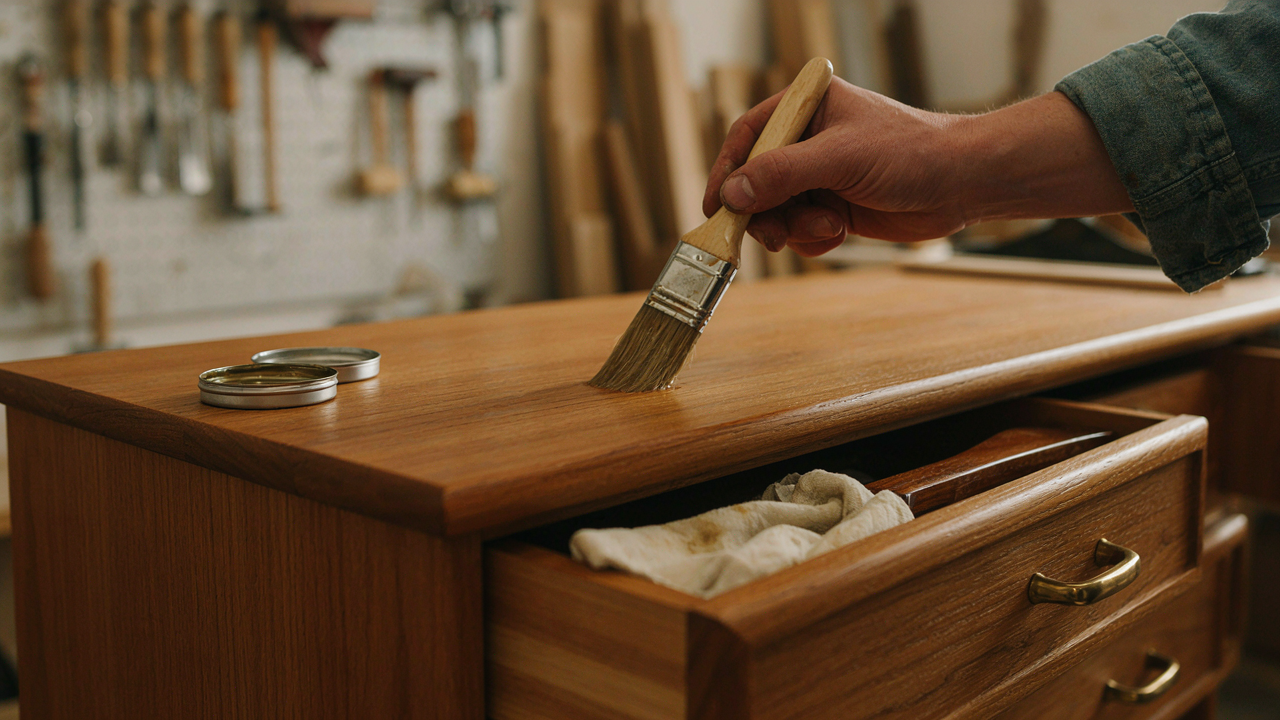
Vintage wooden furniture offers something that mass-produced pieces often cannot replicate: distinctive craftsmanship, beautiful timber grain, and a sense of history. From mid-century teak sideboards to classic walnut tables and antique timber cabinets, well-made furniture can last for generations when properly maintained.
However, even durable timber needs suitable protection. Everyday handling, sunlight, spills, dust, and changes in humidity can gradually affect the surface. A carefully selected finish helps reduce these risks while enhancing the wood's natural appearance.
Choosing the right finish is not simply a matter of deciding between a glossy or matte look. It requires understanding the timber, the furniture's age, its intended use, and the condition of the existing surface. With the right approach, restoration can improve durability without sacrificing the character that makes vintage furniture special.
1. Why Vintage Wooden Furniture Needs Surface Protection
Wood is a natural material that responds to its environment. Although some timbers are naturally durable, their surfaces can still become scratched, stained, faded, or worn through regular use.
An appropriate finish creates a protective layer or treatment that helps limit direct contact between the timber and everyday contaminants. Depending on the product, it may improve resistance to moisture, dirt, abrasion, and minor spills.
For example, a dining table needs a finish that can cope with frequent cleaning, food spills, and repeated contact with plates and utensils. A decorative cabinet may require less resistance to heavy use but benefit from a finish that highlights the grain and complements the original design.
The aim of protective furniture finishes is to balance practical durability with visual appeal. The best choice should suit the furniture rather than force every piece into the same finishing system.
2. Understand the Different Types of Wood Finishes
Different finishes offer different levels of protection, appearance, and maintenance requirements. Understanding their characteristics makes it easier to select a suitable option.
Oil finishes penetrate or interact with the timber surface, depending on the formulation, and can emphasise natural grain. They often produce a relatively natural appearance but may require periodic maintenance and may offer less surface protection than some film-forming coatings.
Varnishes and polyurethane finishes form a protective film over the timber. Depending on the product, they can provide good resistance to abrasion, moisture, and everyday wear. Their appearance can range from matte to high gloss.
Lacquer is commonly used on furniture where a smooth, refined finish is desired. It can produce an attractive surface, although its durability and repair requirements depend on the particular formulation.
Wax finishes provide a soft sheen and pleasant tactile quality. However, wax generally offers limited resistance to heat, moisture, and heavy wear compared with more durable coatings.
Shellac is another traditional furniture finish valued for its appearance and repairability, although it can be vulnerable to alcohol and heat.
No finish is ideal for every situation. Product compatibility, timber type, existing coatings, and intended use should guide the decision.
3. Choosing a Wood Finish for Vintage and Mid-Century Pieces
When choosing a wood finish, begin by identifying the timber and examining the furniture's original surface. Teak, walnut, oak, and other furniture woods have different grain patterns, colours, and finishing requirements.
Mid-century furniture deserves particular care because its design often relies on clean lines, carefully selected timber, and understated surface treatments. An excessively thick or glossy coating may change the appearance of a piece that originally had a softer, more natural finish.
Consider whether the furniture has solid timber, veneer, or a combination of materials. Thin veneer can be damaged by aggressive sanding, while certain finishes may react poorly with existing coatings or residues.
It is also important to consider the desired appearance. A matte finish may preserve a subtle, understated look, while a satin finish can add gentle depth and a more noticeable sheen.
Whenever possible, test the proposed finish on a discreet area or a suitable sample before treating the entire piece. This helps reveal changes in colour, sheen, and grain definition before the decision becomes difficult to reverse.
4. How the Right Finish Helps Prevent Everyday Damage
A suitable finish helps protect restored furniture against several common sources of wear. The level of protection depends on the product, application quality, curing time, and how the furniture is used.
On frequently used surfaces, a durable coating can help reduce scratches and abrasion from everyday objects. Some finishes also limit the penetration of spills, giving the owner more time to clean them before they cause staining.
Surface protection is particularly useful for dining tables, desks, coffee tables, and cabinet tops. These areas often experience more contact than legs, sides, or decorative panels.
However, no finish makes timber completely waterproof, heatproof, or scratchproof. Prolonged exposure to standing water, hot cookware, sharp objects, or strong cleaning chemicals can still cause damage.
For the best results, combine an appropriate coating with sensible daily care. Use coasters, clean spills promptly, and avoid dragging heavy objects across finished surfaces.
5. Preparing and Applying the Finish Correctly
Even a high-quality product can perform poorly when applied to an unsuitable or badly prepared surface. Proper preparation is therefore a vital part of successful restoration.
Begin by inspecting the furniture for loose joints, damaged veneer, scratches, stains, and areas where the old finish is peeling or failing. Structural problems should be addressed before the final surface treatment.
The existing finish must then be assessed to determine whether it can be cleaned and repaired or requires removal. Any stripping, sanding, or cleaning should be appropriate for the timber and construction, especially when working with veneer or valuable original details.
Follow the manufacturer's instructions for surface preparation, application, ventilation, drying, and curing. Apply compatible products in suitable conditions, and allow the finish to cure fully before returning the furniture to regular use.
For delicate antiques or valuable mid-century pieces, professional restoration can help prevent irreversible surface damage and preserve original craftsmanship.
6. Maintaining and Protecting Restored Furniture
Once restoration is complete, regular maintenance helps extend the life of the finish. Dust the furniture with a soft cloth and use cleaning products recommended for the specific coating.
Avoid abrasive pads, excessive water, harsh chemicals, and untested polishes. Some products leave residues or interfere with future repairs and refinishing.
Keep furniture away from prolonged direct sunlight where practical. Strong sunlight can gradually alter timber colour and affect some surface coatings. Maintaining a reasonably stable indoor environment also helps limit excessive timber movement.
Inspect frequently used surfaces occasionally for dull patches, scratches, or areas where protection appears to be wearing away. Addressing small problems early can prevent more extensive restoration later.
Protecting restored furniture is an ongoing process rather than a one-time task. Good maintenance, sensible use, and appropriate cleaning all contribute to lasting results.
Give Vintage Furniture Protection That Lasts
The right finish can improve the durability, appearance, and usability of vintage wooden furniture. By understanding the available coatings, assessing the original surface, and matching the finish to the timber and its intended use, you can make restoration decisions that respect the furniture's character.
Well-selected protective furniture finishes, careful preparation, and consistent maintenance work together to protect timber from everyday wear. Whether restoring a mid-century teak cabinet, a walnut table, or an antique wooden chair, thoughtful finishing helps preserve its craftsmanship and beauty for years to come.