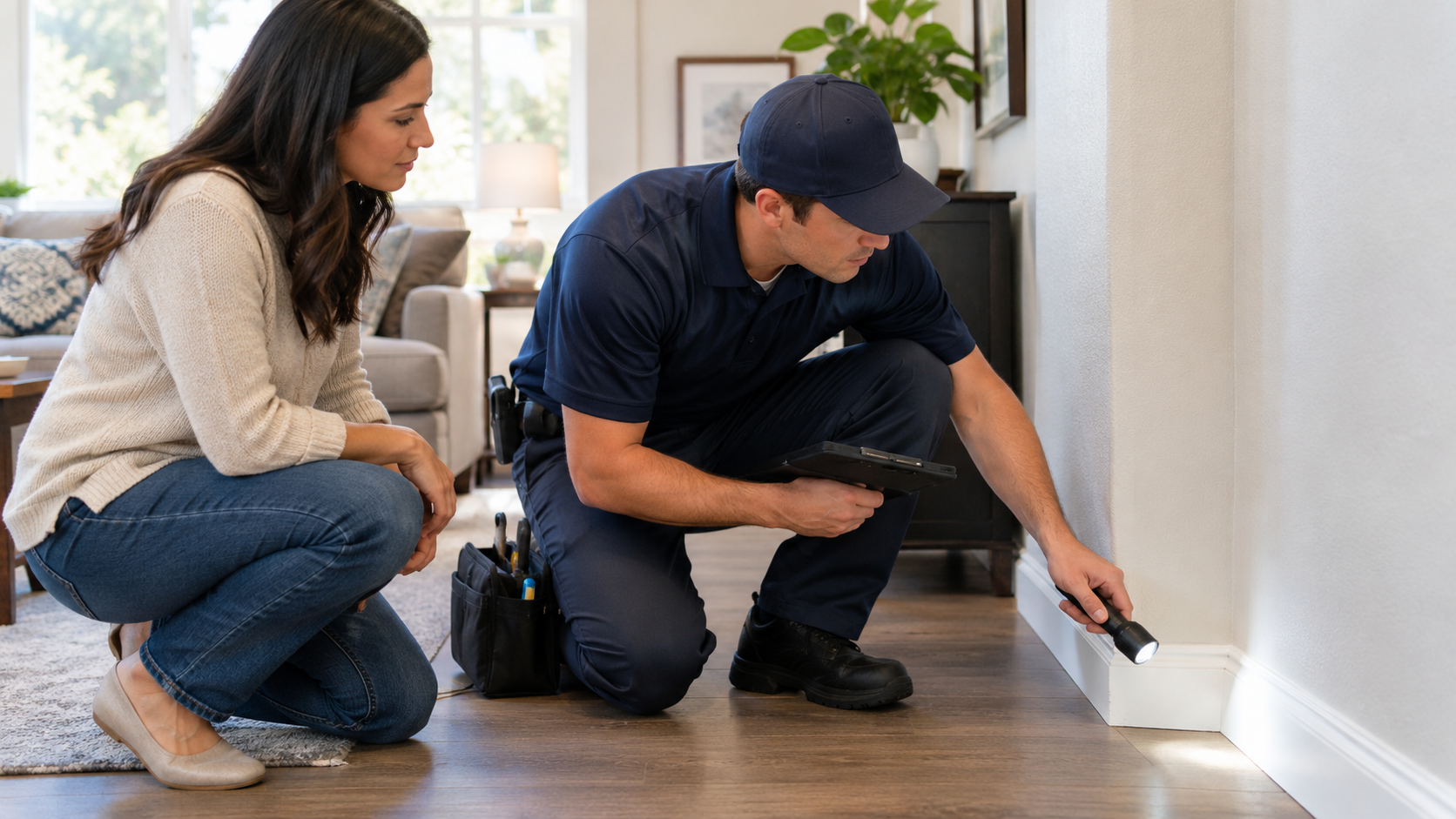
Pests can enter a home without warning. One day, you might notice a few ants in the kitchen, hear scratching sounds behind a wall, or find signs of insects near a window. These problems may seem small at first, but ignoring them can allow pests to spread, damage household items, and create uncomfortable living conditions. Taking action early is one of the simplest ways to protect your home and prevent a minor issue from becoming a larger infestation.
Many homeowners delay dealing with pests because they believe the problem will disappear on its own. Unfortunately, pests often continue searching for food, water, and shelter once they find a suitable environment. Understanding why quick action matters can help you make better decisions and maintain a cleaner, healthier home.
Small Pest Problems Can Grow Quickly
A few pests may not seem like a serious concern, but some species reproduce rapidly. Ants can establish trails between food sources and their nests, while cockroaches can hide in small cracks and multiply before their presence becomes obvious. Bed bugs can also spread through bedding, furniture, luggage, and other household belongings.
When pests have access to food, moisture, and hiding places, they may remain active even when homeowners cannot see them. Waiting too long can make it harder to identify where the problem started and how far it has spread.
Early action gives homeowners a better opportunity to address the source of an infestation. Instead of repeatedly dealing with visible insects, they can focus on identifying entry points, removing conditions that attract pests, and choosing an appropriate treatment.
Protect Your Home From Unnecessary Damage
Certain pests can cause more than an inconvenience. Termites, for example, feed on materials containing cellulose, including wood used in many residential structures. If termite activity goes unnoticed, damage may develop inside wooden components before obvious signs appear.
Rodents can chew electrical wiring, insulation, packaging, and stored belongings. Their droppings and nesting materials may also contaminate areas where people prepare or store food. Even pests that do not directly damage structural materials can create problems by affecting furniture, fabrics, and household supplies.
Quick action helps homeowners investigate suspicious signs before the damage becomes more extensive. If you notice discarded insect wings, unexplained wood damage, droppings, or unusual scratching sounds, avoid dismissing these warning signs.
A professional inspection can help determine the type of pest involved and whether further treatment is needed. Identifying the problem correctly is important because different pests require different control methods.
Keep Your Living Environment Comfortable
A home should be a place where family members can relax without constantly worrying about insects or rodents. However, a pest problem can quickly affect that sense of comfort. Cockroaches appearing in the kitchen, ants gathering around food containers, or mosquitoes entering bedrooms can make ordinary daily activities frustrating.
Some pests can also introduce health concerns. Rodents and cockroaches may contaminate food or surfaces, while mosquitoes can transmit certain diseases. Bed bugs can cause itchy bites and disrupt sleep, although they are not known to transmit diseases to humans.
Seeking help with unwanted pests as soon as you notice a problem can reduce the time pests have to spread through living areas. It also helps you determine whether cleaning, exclusion methods, targeted treatment, or professional assistance is the most appropriate next step.
Maintaining comfortable living conditions starts with paying attention to changes around your home rather than waiting until pests become difficult to manage.
Why DIY Treatments Do Not Always Solve the Problem
Many homeowners begin with store-bought sprays, traps, or home remedies. These options may help control certain pests when used correctly, but they do not always eliminate the underlying cause of an infestation.
For example, spraying visible ants may kill the insects you see without addressing the colony. Traps may catch some rodents while leaving entry points open. Bed bugs can hide in mattress seams, furniture joints, and narrow gaps, making them difficult to control with a single treatment.
Using several products without understanding the pest involved can also waste time and money. Incorrect application may expose people or pets to unnecessary risks, especially when label directions are ignored.
An effective household pest treatment should begin with identifying the pest, understanding the extent of the problem, and selecting a suitable control method. Following product instructions, addressing access points, and removing food or moisture sources can improve the results of a treatment plan.
For persistent or widespread infestations, a qualified pest control professional can assess the situation and recommend appropriate measures.
Prevent Pests From Returning
Quick action is most effective when it is combined with practical prevention. Even after an infestation has been controlled, pests may return if the conditions that attracted them remain unchanged.
Start by keeping kitchen counters clean, storing food in sealed containers, and removing rubbish regularly. Repair leaking taps and pipes because moisture can attract several common household pests. Pay attention to pet food, crumbs, and other food sources that may be overlooked during routine cleaning.
Inspect doors, windows, vents, and areas where pipes enter the home. Sealing suitable gaps can reduce opportunities for insects and rodents to enter. Keep outdoor rubbish bins closed and avoid allowing clutter to accumulate in storage areas, garages, and basements.
Regularly checking these areas helps you spot early warning signs. If you notice repeated pest activity despite taking preventive measures, consider arranging an inspection rather than relying on temporary solutions.
The Value of Dependable Pest Management
Every pest problem is different. The right approach depends on the species involved, the size of the infestation, the layout of the property, and the conditions supporting pest activity. A method that works for ants may not be appropriate for termites or bed bugs.
Dependable pest management focuses on more than removing visible pests. It involves identifying the source of the problem, understanding how pests enter the property, applying suitable control measures, and recommending steps to reduce future activity.
Professional pest control services can be particularly helpful when pests keep returning, signs of damage appear, or the infestation affects several rooms. Experienced technicians can assess the situation and explain the available options, including any preparation or follow-up that may be necessary.
For homeowners in Southern California, working with a local pest control provider can make it easier to address common regional pest concerns. Impressive Exterminating Pest Control provides a relevant starting point for homeowners seeking information and assistance with household pest problems.
Taking action early can also make it easier to understand the scope of the issue before it becomes more complicated to manage.
Act Early to Protect Your Home
When pests appear, ignoring the problem rarely offers a reliable long-term solution. Small signs can indicate a developing infestation, hidden damage, or an entry point that allows pests to return. The sooner you investigate, the better your chances of limiting the problem and choosing an appropriate response.
Pay attention to unusual pest activity, maintain good household hygiene, seal potential entry points, and seek professional guidance when necessary. These practical steps can help protect your belongings, improve household comfort, and reduce the likelihood of recurring infestations.
Quick action does not always mean using the strongest treatment immediately. It means recognizing the warning signs, understanding the problem, and responding with the right approach before it becomes harder to control.