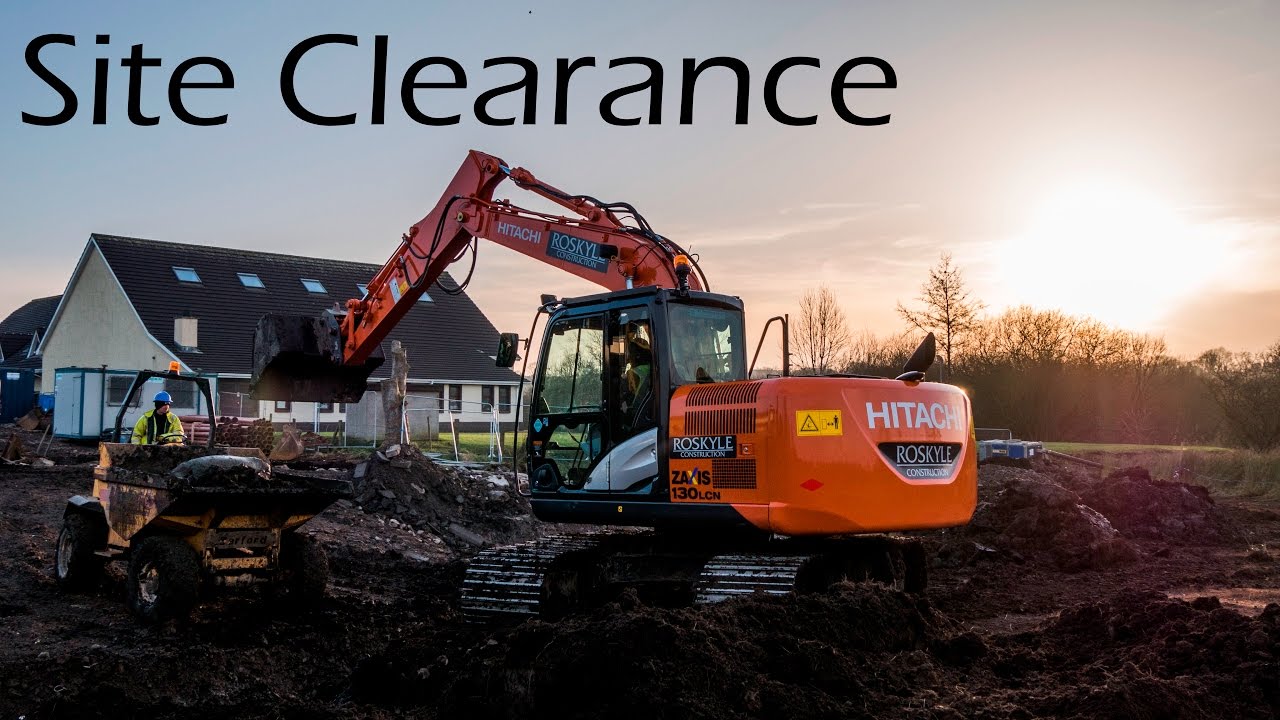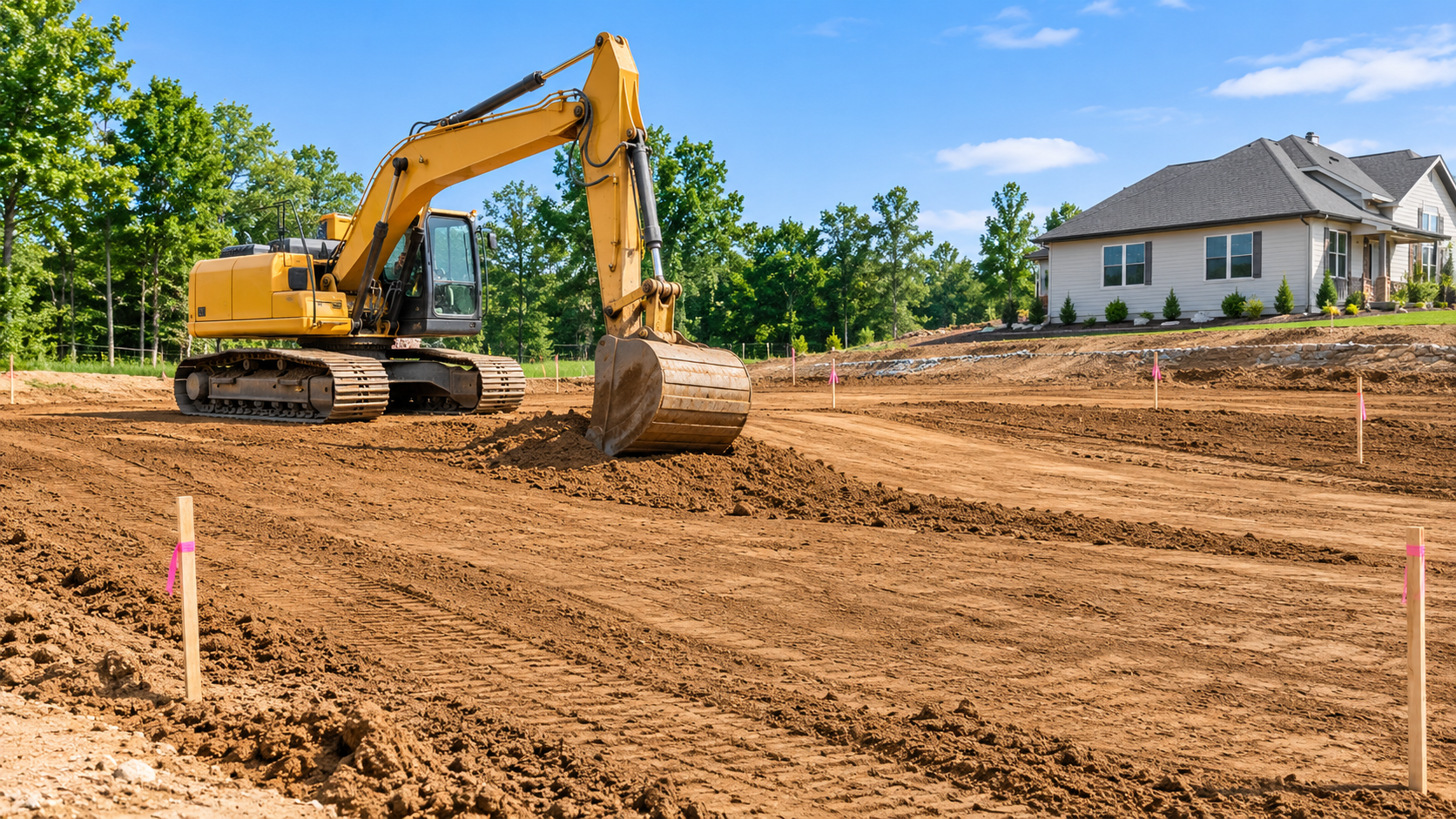
Before starting any construction project, it is important to make sure the land is properly prepared. While building designs, materials, and construction schedules often receive the most attention, the condition of the ground beneath a structure is equally important. One of the most essential steps in preparing a property is land grading.
Land grading involves adjusting the natural slope and elevation of a site to create a stable, properly drained surface for construction. It helps control rainwater, reduce soil erosion, and prepare the property for foundations, driveways, landscaping, and other improvements. Without proper grading, even a well-designed building can experience drainage problems, foundation damage, and unexpected construction costs.
Understanding the importance of land grading and drainage services can help property owners make better decisions before breaking ground. Proper planning at this stage creates a stronger foundation for the entire construction process.
1. What Is Land Grading and Why Is It Necessary?
Land grading is the process of reshaping the ground to achieve specific elevations, slopes, and surface conditions. Depending on the property's existing terrain and construction requirements, this may involve removing excess soil, filling low areas, leveling uneven surfaces, or creating controlled slopes.
The primary goal is to make the land suitable for its intended use while managing how water moves across the property.
For example, a residential construction site may need a relatively level building area with carefully designed slopes directing rainwater away from the foundation. A commercial development may require more extensive grading to accommodate parking areas, access roads, sidewalks, and drainage systems.
Proper grading also helps contractors identify potential site challenges before construction begins. Addressing these conditions early can prevent delays and reduce the likelihood of expensive corrections later.
2. Preventing Water Damage Through Proper Drainage
One of the biggest reasons land grading matters is water management. Rainwater naturally flows toward lower elevations, and if a property is not graded correctly, water may collect around buildings or remain trapped in certain areas.
Standing water can create several problems, including soil saturation, basement leaks, foundation deterioration, and damage to outdoor structures.
A properly graded property encourages water to move away from buildings and toward suitable drainage areas. Depending on the site's conditions, this may involve gentle surface slopes, drainage swales, catch basins, or other stormwater management features.
Professional land grading and drainage services help determine how water should flow across a property. Rather than simply making the ground look level, experienced professionals consider existing elevations, surrounding properties, soil conditions, and local drainage requirements.
This approach helps protect the building while reducing the risk of water-related problems throughout the property's life.
3. Protecting the Foundation and Improving Structural Stability
A building's foundation depends on stable ground conditions. If the soil beneath or around a structure is uneven, poorly compacted, or frequently exposed to excess moisture, the foundation may become vulnerable to movement.
Improper grading can allow water to accumulate near foundation walls. Over time, excessive moisture may contribute to soil expansion, erosion, settlement, and increased pressure against below-grade structures.
Proper site preparation helps reduce these risks by establishing appropriate ground elevations and supporting suitable drainage patterns.
Soil preparation is another important consideration. Depending on the project, contractors may need to remove unsuitable material, add approved fill, and compact the soil in controlled layers. These steps help create a more consistent surface for construction.
However, grading alone cannot guarantee foundation stability. Soil testing, geotechnical evaluations, and foundation engineering may also be necessary, particularly on properties with challenging ground conditions.
Combining these considerations before construction helps create a safer and more reliable building site.
4. Why Professional Grading Plans Are Important
Before heavy equipment begins moving soil, construction teams need a clear understanding of the property's existing and proposed elevations. This is where professional grading plans become valuable.
A grading plan is a technical drawing that illustrates how the land should be shaped to support the proposed development. It typically includes existing and proposed contours, spot elevations, slope directions, drainage patterns, and important site features.
These plans help contractors understand where soil needs to be excavated, where additional material is required, and how the finished ground should direct stormwater.
Professional grading plans also improve coordination between architects, engineers, surveyors, and construction contractors. Everyone can work from the same site information instead of relying on assumptions about ground conditions.
Another advantage is that grading plans can help with permit applications. Many local authorities require grading, drainage, or stormwater information before approving certain construction and land development projects.
Requirements vary by jurisdiction, so property owners should check local regulations before beginning site work.
5. The Connection Between Land Grading and Site Development Plans
Land grading should never be treated as an isolated construction activity. It needs to work alongside the overall development layout to ensure that buildings, access areas, utilities, and drainage systems function together.
This is why land development site plans are important during the early planning stages.
A land development site plan provides a broader view of how a property will be organized. It may show building locations, property boundaries, setbacks, driveways, parking areas, landscaping, utility connections, and drainage features.
When grading information is incorporated into this planning process, designers can identify potential conflicts before construction starts.
For example, a proposed driveway may require a particular elevation to connect properly with an existing road. Similarly, a building location may need adjustments to accommodate natural drainage patterns or avoid excessive excavation.
Coordinating grading with the overall site layout can reduce unnecessary earthwork, improve accessibility, and support more efficient construction.
It also makes it easier for contractors and reviewing authorities to understand how the proposed development will interact with the surrounding property.
6. Reducing Construction Costs, Delays, and Environmental Problems
Proper land grading can save money by identifying and addressing ground-related challenges before they become expensive construction issues.
When grading is overlooked, contractors may encounter unexpected low areas, unstable soil, drainage conflicts, or elevation differences after construction has already started. Correcting these problems can require additional equipment, labor, materials, and project time.
Planning ahead allows property owners to estimate earthwork requirements more accurately and organize construction activities efficiently.
Good grading practices also provide environmental benefits. Uncontrolled soil movement can contribute to erosion, sediment runoff, and pollution in nearby drainage systems. Appropriate slopes, erosion-control measures, and stormwater management features help limit these impacts.
Depending on local regulations and project conditions, construction sites may also require temporary sediment barriers, stabilized entrances, or other erosion-prevention measures.
Taking these precautions protects the property, surrounding land, and nearby waterways while helping projects meet applicable environmental requirements.
Conclusion
Proper land grading is one of the most important steps in preparing a property for construction. It supports effective drainage, protects foundations, improves soil preparation, and helps prevent costly problems during and after development.
By investing in land grading and drainage services, obtaining accurate professional grading plans, and coordinating elevations with comprehensive land development site plans, property owners can approach construction with greater confidence.
Whether you are planning a new home, a commercial building, or a larger development project, preparing the land correctly from the beginning can make a significant difference. A well-graded site is not just about creating a level surface; it is about building on ground that is properly prepared, stable, and ready for long-term use.