Economic inequality has become one of the most discussed social and economic issues worldwide. From rising living costs and housing affordability to differences in wages, wealth, and taxation, people are increasingly questioning whether today's economic systems provide fair opportunities for everyone. While some individuals enjoy growing financial security, others struggle to cover basic necessities despite working full-time. This growing contrast has brought economic fairness into everyday conversations, political discussions, and public campaigns.
The debate is not simply about how much money people earn. It is also about opportunity, access to essential services, financial security, and whether everyone contributes fairly to society. As public awareness grows, messages challenging economic inequality are becoming more visible. Even clothing can become part of this conversation, with statement designs encouraging people to express their opinions and support broader discussions about economic justice.
1. The Growing Gap Between Rich and Poor
One of the biggest reasons economic inequality attracts public attention is the widening difference in financial circumstances between wealthy households and people with limited incomes. Wealthy individuals often have access to investments, property, business ownership, and other assets that can increase in value over time. Meanwhile, lower-income households may depend almost entirely on wages to meet their daily expenses.
This difference creates advantages that can accumulate across generations. Families with substantial resources can often provide better educational opportunities, financial assistance, and housing support to younger relatives. Those without similar resources may find it harder to build savings or move into better financial positions.
According to a 2025 Pew Research Center survey covering 36 countries, a median of 54% of adults considered the gap between rich and poor a very big problem in their country. These findings demonstrate why wealth distribution has become an important international concern.
2. Rising Living Costs Make Inequality More Visible
Another major reason this issue has entered mainstream public debate is the rising cost of everyday life. Housing, groceries, transportation, healthcare, education, and utility bills consume a significant portion of household budgets.
When essential expenses increase faster than wages, families have less money available for savings, emergencies, and long-term financial goals. People with substantial assets may have more options to manage economic pressure, while households living paycheck to paycheck have fewer opportunities to absorb unexpected expenses.
Housing affordability is a particularly visible example. Rising property prices and rental costs can make homeownership increasingly difficult for younger generations and middle-income workers.
These experiences make inequality feel personal rather than theoretical. People are not just comparing financial statistics; they are comparing their ability to maintain a comfortable and secure lifestyle.
3. Taxation and Economic Fairness Are Under Greater Scrutiny
Taxation has become another central part of the inequality debate because it influences how economic responsibilities are shared across society. Governments collect taxes to fund public services, infrastructure, healthcare, education, and social support programs.
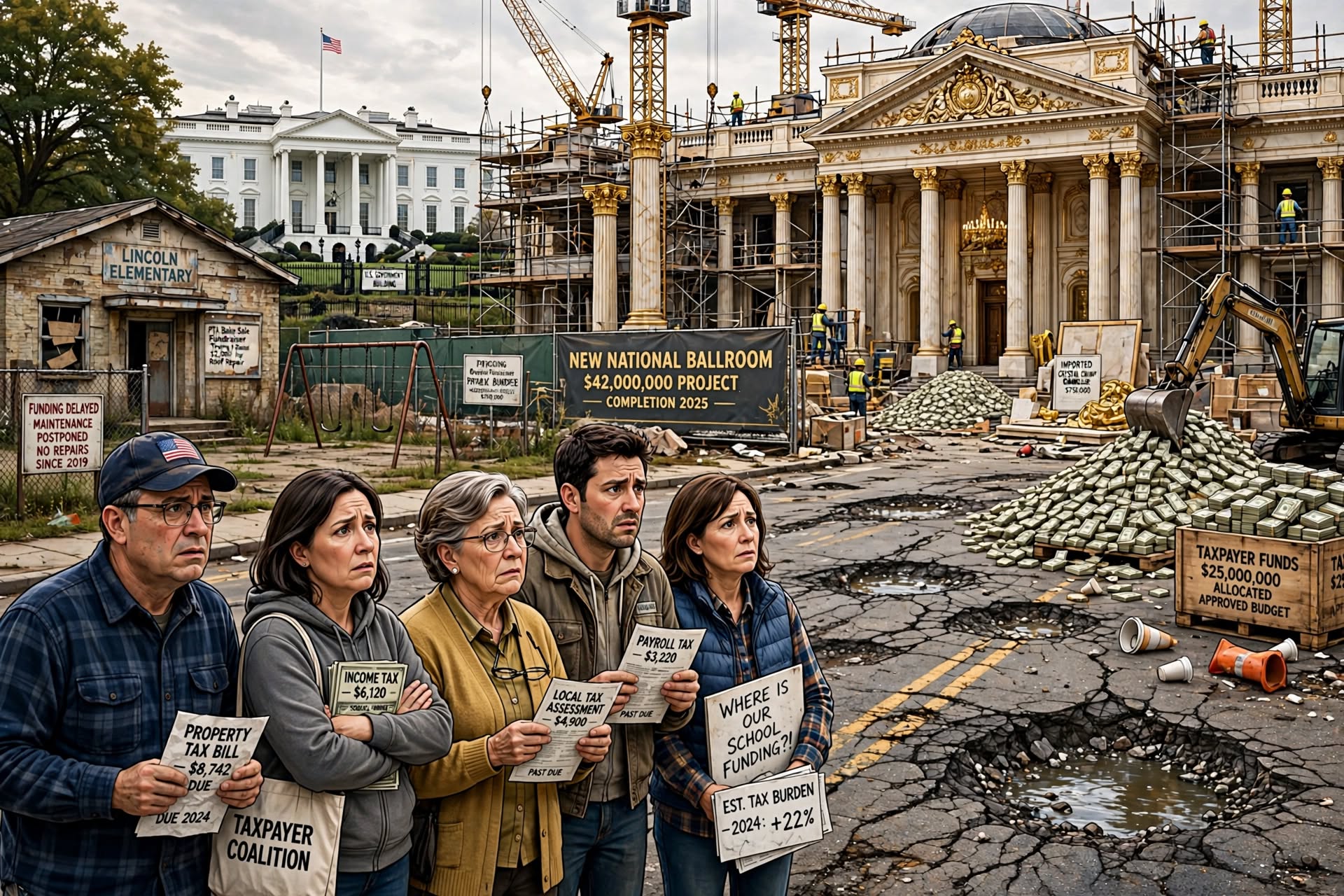
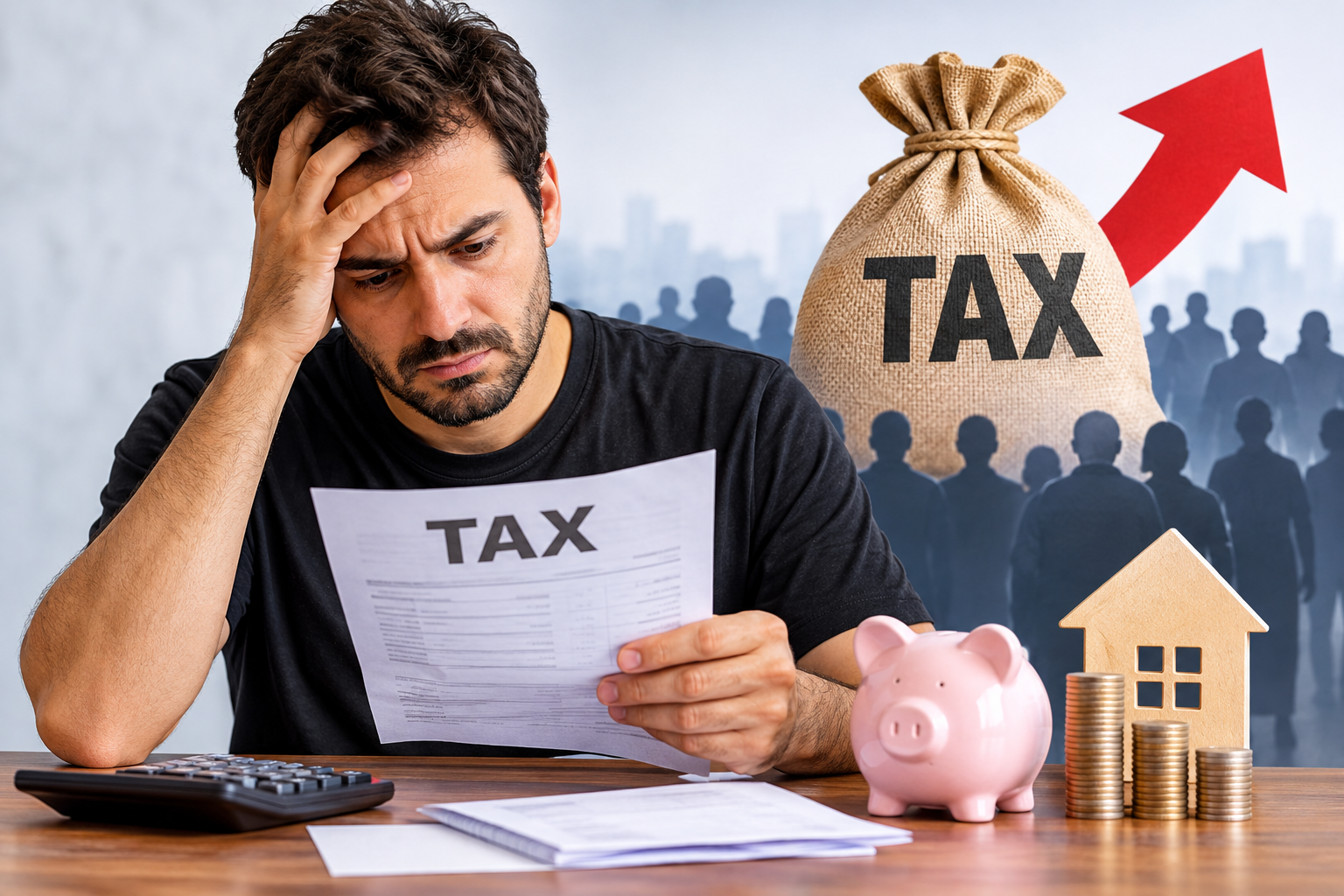
However, public discussion often focuses on whether the tax burden is distributed fairly. Workers earning modest salaries may feel considerable pressure from income taxes and consumption taxes, while wealthy individuals may have access to financial structures, deductions, and investment opportunities that reduce their effective tax obligations.
This raises an important question: Should people with greater financial resources contribute a larger proportion of their income or wealth toward public services?
Supporters of progressive taxation argue that those with greater ability to pay should contribute more. Others emphasize the importance of maintaining incentives for investment, entrepreneurship, and economic growth.
A balanced discussion should consider both economic efficiency and social responsibility. Fair tax policies should generate public revenue without placing unreasonable pressure on households that are already financially vulnerable.
4. Unequal Access to Education and Career Opportunities
Economic inequality is not limited to income differences. It also involves the opportunities people receive throughout their lives.
Education, professional training, healthcare, reliable transportation, and access to technology can strongly influence someone's ability to secure better employment. Individuals from financially comfortable backgrounds may have greater access to quality schools, career networks, internships, and additional qualifications.
By contrast, talented individuals from disadvantaged communities may face financial and structural barriers that prevent them from reaching their full potential.
Technology and changing employment markets have added another dimension to this challenge. Automation and digital transformation create new opportunities, but workers without access to relevant training may struggle to adapt.
Reducing these gaps requires investment in affordable education, practical skills development, accessible healthcare, and fair employment practices. A stronger economy should create opportunities based on ability and effort rather than simply rewarding the advantages people inherit.
5. Social Media and Public Campaigns Are Amplifying the Conversation
Social media has significantly changed how people discuss economic inequality. Issues that once received attention mainly through academic research, political speeches, and traditional news outlets can now reach international audiences within minutes.
People share personal experiences involving low wages, expensive housing, student debt, workplace conditions, and financial insecurity. These stories help audiences understand how economic policies affect everyday lives.
Public campaigns also use visual communication to make complicated issues easier to recognize. Slogans, posters, artwork, and statement clothing can encourage conversations in public spaces and online communities.
For example, the Tax the Poor graphic shirt uses provocative messaging to draw attention to questions surrounding taxation and economic fairness. Rather than treating clothing as just another fashion choice, some people use it to communicate opinions about public policy and social responsibility.
The Tax the Poor design can therefore be understood within the broader culture of political expression. Someone choosing this statement tee may use its message to spark discussion, challenge assumptions, or encourage others to examine how economic systems affect different communities.
Similarly, TTP campaign apparel connects personal style with a wider conversation about taxation and inequality. The important point is that meaningful public discussion should go beyond slogans and encourage people to understand the policies behind them.
6. What Can Create a Fairer Economic Future?
Addressing economic inequality requires more than one solution. Governments, businesses, educational institutions, and communities all have a role in creating an economy that offers broader opportunities.
Progressive taxation, stronger social protection, affordable education, accessible healthcare, and fair employment policies can help reduce unnecessary financial disadvantages. Governments can also review housing policies, strengthen competition, and improve access to resources for underserved communities.
Businesses have responsibilities too. Providing fair wages, safe working conditions, transparent promotion opportunities, and meaningful employee benefits can help workers participate more fully in economic growth.
Equally important is public awareness. People need reliable information to understand how taxation, wealth distribution, employment policies, and public spending influence their lives.
There is no single approach that will eliminate every form of inequality. However, practical reforms can make economic systems more inclusive while preserving opportunities for innovation and business development.
Final Thoughts
Economic inequality has become such a major public debate because it affects everyday experiences, future opportunities, and people's confidence in the economic system. Questions about wealth distribution, taxation, education, housing, and employment are no longer limited to policymakers or economists. They are part of ordinary conversations about fairness and financial security.
As these discussions continue, public awareness and individual expression can help keep important issues visible. Whether through informed conversations, community involvement, or expressive clothing, people have different ways of communicating their perspectives.
Ultimately, a healthier economy should offer meaningful opportunities, recognize hard work, and distribute responsibilities fairly. Building that future begins with understanding the problem and remaining open to thoughtful, practical solutions.