Japan's Strong Research and Innovation Environment
Japan has a well-developed research environment supported by universities, scientific institutions, and technology-driven industries. The country has made significant contributions to engineering, robotics, medical science, electronics, environmental studies, and information technology. This research environment attracts academics who want to understand recent developments and explore innovative ideas. Universities and research organisations also contribute to discussions on scientific challenges, practical applications, and future research directions.
For international researchers, attending academic events in Japan offers an opportunity to learn about ongoing studies and understand how different research communities approach complex academic questions.
Opportunities for International Academic Networking
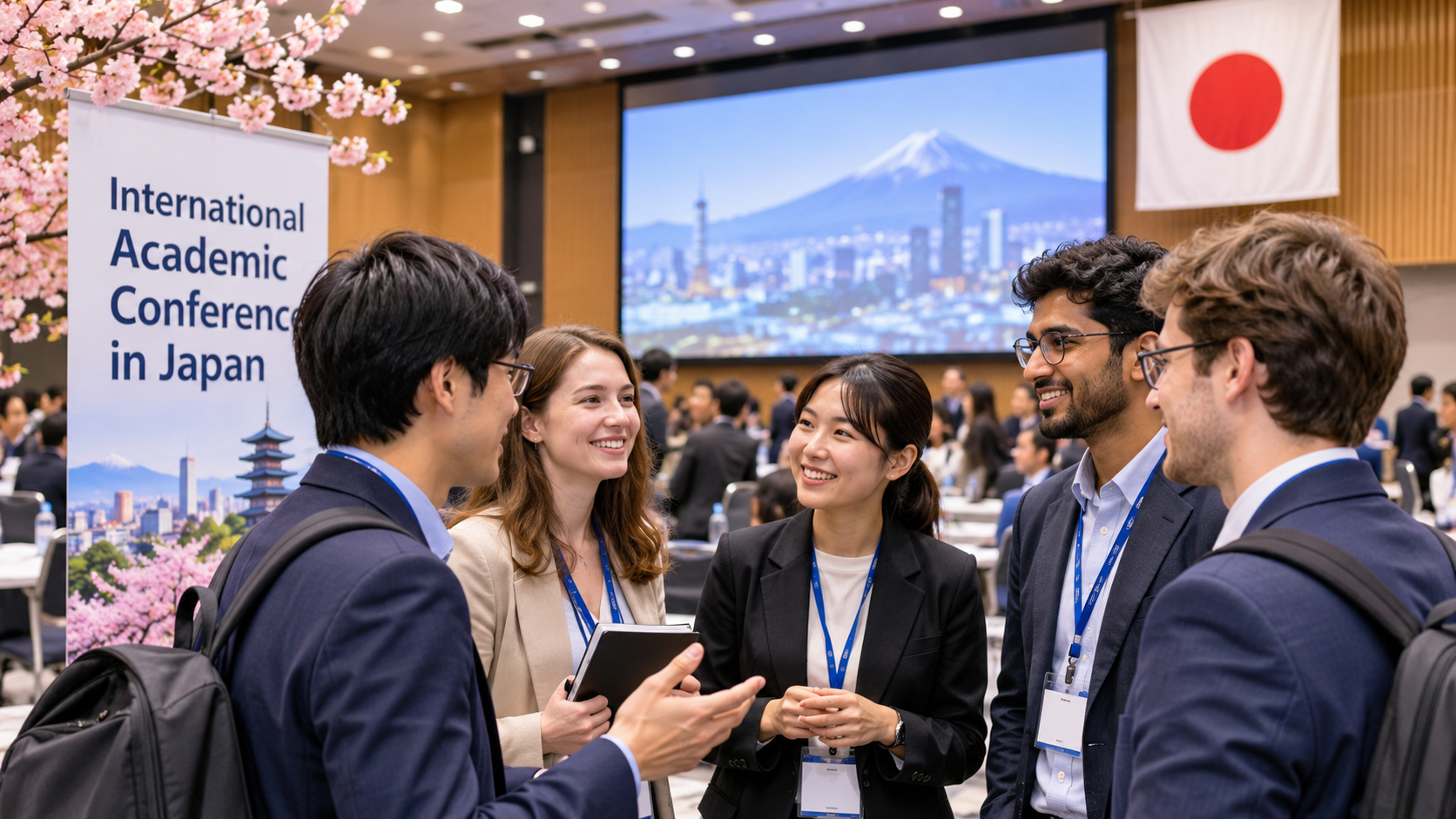
Building professional relationships is an important part of academic development. International conferences bring together researchers, professors, scientists, and industry experts who share an interest in particular subjects. These gatherings allow participants to discuss their research interests, exchange professional experiences, and connect with people working in similar disciplines. A researcher presenting a paper on artificial intelligence, for example, may receive suggestions from specialists working on machine learning, data science, or robotics. Such interactions can lead to future research discussions, joint projects, and academic partnerships. International networking also helps early-career researchers become more familiar with global academic communities.
Exposure to Advanced Technology and Scientific Developments
Japan is widely recognised for its contributions to technological research. Areas such as artificial intelligence, robotics, automation, biotechnology, and advanced manufacturing continue to attract academic and industrial attention. Conferences provide a platform for discussing these developments through research presentations, technical sessions, panel discussions, and expert lectures. Participants can learn about emerging technologies, understand new research methodologies, and explore how scientific findings are being applied in practical settings.
For researchers working in engineering and technology, these discussions can provide useful perspectives on current challenges and future possibilities. Similarly, academics in healthcare and environmental science can benefit from sessions exploring technological approaches to research and problem-solving.
Research Collaboration Across Different Disciplines
Many modern research challenges require knowledge from more than one academic discipline. Climate change, public health, sustainable development, and digital transformation are examples of subjects that involve different areas of expertise. Academic conferences in Japan create opportunities for researchers from diverse backgrounds to discuss these shared challenges. An environmental researcher may exchange ideas with an engineering specialist, while a medical academic may connect with professionals working in biotechnology or data analysis.
Interdisciplinary discussions encourage participants to consider different research perspectives and identify areas where their expertise can complement other fields. These interactions can also support international research partnerships and contribute to the development of collaborative projects.
Opportunities for Paper Presentation and Academic Recognition
Presenting research at an international conference allows scholars to share their findings with a wider academic audience. It also provides an opportunity to receive feedback from experienced researchers and subject specialists. Researchers attending conferences in Japan can participate in paper presentations, technical sessions, poster discussions, and academic workshops, depending on the event format.
These activities help participants:
Present original research and academic findings.
Receive feedback on research methods and conclusions.
Improve public speaking and presentation skills.
Discuss research limitations with subject experts.
Develop confidence in international academic discussions.
For PhD scholars and early-career researchers, these experiences can be particularly valuable. Constructive feedback may help them refine their research questions, improve their methodologies, and identify possible directions for further investigation.
Japan's Appeal as an International Conference Destination
Apart from its academic environment, Japan offers practical advantages for international conference participants. Its major cities have developed transportation networks, modern facilities, and infrastructure that support international academic gatherings. Tokyo, Osaka, Kyoto, and Yokohama are among the cities that attract international visitors for educational, professional, and business activities. Researchers visiting these destinations can also experience Japan's cultural and educational environment outside conference sessions. This combination of academic engagement and international exposure makes the country an appealing destination for scholars interested in expanding their professional experiences.
How Researchers Can Find Relevant Conferences in Japan
Selecting the right academic event requires more than checking its location and schedule. Researchers should first identify conferences that match their subject areas, research interests, and professional objectives.
Before registering, participants should consider several factors:
Research relevance: Check whether the conference covers topics related to your academic field.
Important dates: Review event schedules, paper submission deadlines, and registration periods.
Presentation opportunities: Understand whether the event accepts research papers, abstracts, posters, or presentations.
Conference format: Check whether the event is conducted in person, online, or through a hybrid arrangement.
Organising information: Review the organisers, programme details, participation requirements, and available academic sessions.
Researchers looking for upcoming events can explore academic conference in japan through ConferenceInc. The platform helps visitors browse conference opportunities and identify events across different academic subjects.
Early research and careful selection can help participants find events that align with their academic goals and make better use of their conference experience.
Japan's research environment, technological developments, international networking opportunities, and interdisciplinary academic discussions are among the reasons researchers are showing growing interest in attending conferences in the country. These events provide valuable opportunities to present original findings, receive academic feedback, and establish connections with professionals from different research communities.
For scholars, professors, PhD candidates, and research students, participating in international academic events can contribute to professional development and future research collaborations. Exploring Conferences in Japan 2026–2027 through ConferenceInc can help researchers identify relevant events and stay informed about upcoming academic opportunities.