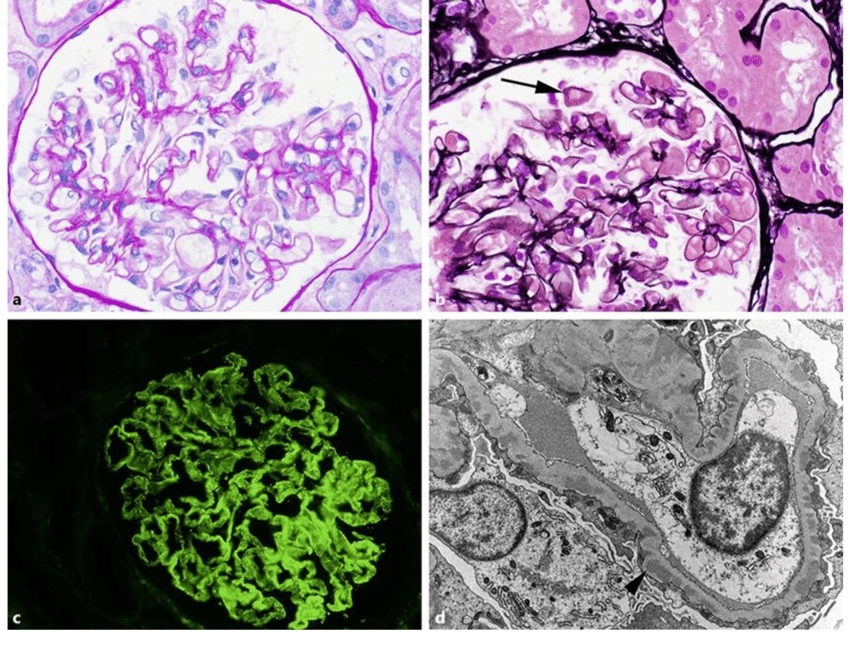
Focal segmental glomerulosclerosis (FSGS) is a kidney condition that causes scarring in parts of the glomeruli, the tiny filtering units responsible for removing waste and excess fluid from the blood. When these filters become damaged, they may allow protein to leak into the urine and gradually lose their ability to function properly. Understanding the condition, its potential causes, and the role of nutrition can help patients make informed decisions about their kidney health.
Although FSGS can affect both children and adults, its effects vary from person to person. Some individuals experience noticeable symptoms, while others may discover the condition through routine urine or blood tests. Early evaluation and an appropriate management plan are important for protecting kidney function.
What Is Focal Segmental Glomerulosclerosis?
The name focal segmental glomerulosclerosis describes the pattern of scarring found in the kidneys. “Focal” means that some glomeruli are affected, “segmental” means that only parts of individual glomeruli are scarred, and “glomerulosclerosis” refers to hardening or scarring of these filtering structures.
FSGS is not a single condition with one universal cause. It can develop through different biological processes, including genetic factors, immune-related injury, infections, certain medications, or conditions that place additional strain on the kidneys.
Common signs and symptoms may include:
Foamy urine caused by excess protein in the urine.
Swelling around the eyes, ankles, feet, or legs.
Unexplained weight gain related to fluid retention.
High blood pressure.
Low levels of protein in the blood.
Changes in kidney function detected through medical testing.
Not everyone experiences these symptoms, particularly during the early stages. A healthcare professional may recommend urine testing, blood tests, and a kidney biopsy to help establish the diagnosis and identify the pattern of kidney injury.
What Are the Main FSGS Kidney Disease Causes?
The causes of FSGS depend on the type of condition a person has. Identifying the underlying cause can help healthcare professionals determine the most appropriate treatment and monitoring strategy.
1. Primary FSGS
Primary FSGS occurs when kidney-filtering cells called podocytes are injured for reasons that are not fully understood. Researchers believe that circulating factors and immune-related mechanisms may contribute to this type of damage.
Primary FSGS may be associated with significant protein loss through the urine and symptoms of nephrotic syndrome, including swelling and reduced blood protein levels. A nephrologist evaluates the test results and clinical history to distinguish primary FSGS from other forms.
2. Genetic Factors
Some forms of FSGS are linked to inherited or other genetic changes that affect the structures responsible for maintaining the kidney's filtration barrier. Genetic forms may occur in children or adults, and a family history can sometimes provide useful information.
Genetic testing may be considered when the person's age, family history, clinical presentation, or response to treatment suggests an inherited condition. However, not every patient with FSGS has a detectable genetic cause.
3. Secondary FSGS
Secondary FSGS develops when another condition or exposure damages the kidneys or places excessive pressure on their filtering units. Potential contributing factors include certain infections, diabetes, sickle cell disease, reduced kidney mass, and some medications.
Obesity and other conditions that increase the workload of the kidneys may also contribute to secondary scarring in certain circumstances. Healthcare professionals consider these possibilities when reviewing a patient's medical history, medication use, and laboratory findings.
Understanding FSGS kidney disease causes can help patients learn why the condition develops and why identifying its specific type matters. Treatment for secondary FSGS may focus on managing the underlying condition, controlling blood pressure, and reducing further stress on the kidneys.
How Can Diet Support People Living With FSGS?
Nutrition can be an important part of managing FSGS. While dietary changes cannot remove existing scar tissue or replace medical treatment, a kidney-conscious eating plan may help manage blood pressure, fluid retention, cholesterol, and other factors that affect overall health.
The right approach depends on kidney function, urine protein levels, blood pressure, medication use, and laboratory results. A diet suitable for one person may not be appropriate for another.
Reduce Excess Sodium
Sodium, commonly found in table salt and processed foods, can contribute to high blood pressure and fluid retention. For some people with FSGS, reducing sodium intake may help manage swelling and support blood pressure control.
Foods worth limiting may include:
Packaged snacks and salty crackers.
Processed meats and ready-made meals.
Canned soups with high sodium levels.
Fast food and heavily salted restaurant meals.
Sauces and seasonings with substantial added salt.
Fresh ingredients, herbs, spices, and lower-sodium alternatives can add flavor without relying heavily on salt. Individual sodium targets should be discussed with a healthcare professional.
Choose Balanced Protein Sources
Protein is essential for maintaining muscles, supporting tissue repair, and meeting the body's nutritional needs. However, people with kidney disease may need to adjust how much protein they consume.
Eating excessive amounts of protein, particularly through high-protein supplements or restrictive fitness diets, may not be appropriate for some people with kidney conditions. At the same time, unnecessarily restricting protein can lead to inadequate nutrition.
A balanced plan may include suitable portions of fish, poultry, eggs, beans, or other protein sources, depending on individual needs. Patients should consult their nephrologist or renal dietitian before adopting a high-protein or low-protein diet.
Focus on Heart-Healthy Foods
People with FSGS may experience changes in cholesterol and other blood fats. Choosing foods that support cardiovascular health can therefore be useful as part of an overall kidney-care plan.
Depending on individual laboratory results and dietary requirements, suitable choices may include whole grains, vegetables, fruits, unsaturated oils, and appropriately portioned lean proteins. Limiting foods high in saturated fat and avoiding trans fats can also support healthier eating habits.
Individualize Potassium, Phosphorus, and Fluid Intake
Not everyone with FSGS needs to restrict potassium, phosphorus, or fluids. These requirements depend on kidney function, blood test results, swelling, medication use, and other medical considerations.
For example, some people with reduced kidney function may need to monitor potassium levels, while others can eat a wider variety of potassium-containing foods. Similarly, fluid restrictions may be recommended for certain patients but are not necessary for everyone.
Following a restrictive diet without medical guidance can create nutritional deficiencies or other problems. A renal dietitian can help determine which adjustments are appropriate.
What Does a Kidney-Friendly FSGS Diet Look Like?
A practical eating plan emphasizes balance rather than eliminating entire food groups without a medical reason. Meals can be built around minimally processed ingredients, moderate portions, and the nutritional targets recommended by the care team.
For example, a meal might include grilled fish or another suitable protein, rice or another grain, and vegetables prepared with herbs and limited added salt. Breakfast might include oats with fruit if those foods fit the person's dietary requirements. Snacks could include fresh fruit or unsalted options when appropriate.
These are general examples, not a personalized meal plan. People with advanced kidney disease or specific electrolyte abnormalities may need different food choices.
Learning about a focal segmental glomerulosclerosis diet can help patients explore kidney-friendly nutrition and understand why dietary needs should be tailored to their medical circumstances.
Why Medical Care Remains Essential
Diet is one part of FSGS management, not a substitute for diagnosis or prescribed treatment. Depending on the type and severity of the condition, care may involve medicines to control blood pressure and reduce protein loss, treatment of an underlying disease, or specialist-directed therapy for primary FSGS.
Regular follow-up helps healthcare professionals monitor urine protein, kidney function, blood pressure, and possible treatment side effects. Patients should discuss new symptoms, changes in swelling, or medication concerns with their care team rather than changing treatment independently.
Conclusion
FSGS is a complex kidney condition that can develop for genetic, primary, or secondary reasons. Identifying its cause is important because management strategies differ according to the type of kidney injury and the person's overall health.
A balanced, individualized diet may support blood pressure control, help manage fluid retention, and contribute to overall well-being. Reducing excess sodium, choosing suitable protein sources, and following professional guidance on potassium, phosphorus, and fluids can help patients make informed nutritional choices.
With ongoing medical monitoring, appropriate treatment, and nutrition advice tailored to individual needs, people living with FSGS can take practical steps to support their kidney health. NephCure provides educational resources that can help patients and families learn more about FSGS and prepare informed questions for their healthcare professionals.
Medical disclaimer: This article is for educational purposes only and does not replace professional medical advice, diagnosis, or treatment. Consult a qualified healthcare professional or renal dietitian for recommendations specific to your condition.