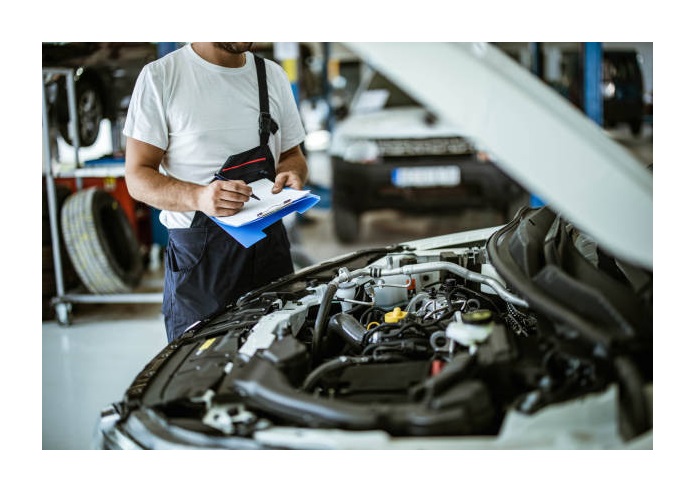
What actually happens beneath the bonnet when a car enters the workshop for routine care? A car service in Bristol lets technicians check key mechanical parts before small faults turn into costly breakdowns. An engine operates under intense heat and continuous friction, which slowly breaks down internal fluids and wears out moving parts. Regular servicing replenishes protective lubricants, shielding internal components and helping the engine run smoothly every day.
Many drivers treat an MOT and a service as the same thing. However, each job has a completely different purpose. An MOT inspection confirms that a vehicle meets basic road safety standards on a single day. A professional car service protects moving parts from long-term wear. Technicians replace parts that wear out from heat and friction. Following the service intervals in the vehicle handbook preserves mechanical reliability and helps maintain optimum fuel efficiency over time.
Engine Oil Renewal and Filtration Mechanics
Engine oil acts as the lifeblood of an engine. It creates a thin film that stops moving metal parts from rubbing together. Over thousands of miles, engine oil degrades through thermal stress and collects soot, metal particles, and unburnt fuel. While fuel dilution shears the oil and thins its viscosity, prolonged oxidation and soot loading cause the lubricant to thicken into heavy sludge. In either scenario, the oil pump struggles to circulate fluid through narrow galleries, starving critical valvetrain components of essential lubrication.
During a routine car service, technicians drain the dark, degraded lubricant while the engine block remains warm. They fit a new oil filter to trap abrasive contaminants, then refill the sump with fresh oil meeting the vehicle manufacturer's specified viscosity grade. Clean oil carries heat away from piston crowns and cylinder walls, preventing thermal distortion under heavy load. Skipping oil changes allows sludge to block internal passages, starving bearings of lubrication and causing severe internal damage.
Brake System Evaluation and Fluid Integrity
Why do hydraulic brake systems feel spongy when neglected over several seasons? Brake fluid is hygroscopic, naturally absorbing moisture from the atmosphere over time through microscopic pores in flexible rubber hoses and reservoir seals. As water content rises, the fluid boiling point drops significantly. Heavy braking generates extreme heat at the brake calliper, which can cause water in the fluid to boil into compressible steam vapour, leading to dangerous brake fade.
A technician checks hydraulic fluid quality and inspects the friction materials fitted across each axle during car servicing. They measure brake pad thickness to ensure the friction layer remains safely above the steel backing plate. Technicians also inspect brake discs for heat scoring, corrosion ridges, and structural wear before cleaning away accumulated brake dust. Addressing worn friction components early protects the hydraulic callipers and ensures prompt, balanced stopping distances in wet traffic.
Underbody Inspection and Steering Linkages
Technicians raise the car on a ramp to inspect the underside and check all running gear closely. They examine the exhaust system for fractured mounting rubbers, deteriorated heat shields, and blowing joints that could allow toxic fumes to escape or cause MOT test failure. Fuel lines and rigid hydraulic brake pipes receive checks for surface corrosion or chafing against chassis members. Catching underbody rust early prevents catastrophic fluid leaks while travelling at high road speeds.
The inspection continues through the front suspension and steering assemblies, checking ball joints and track rod ends for excess play. Technicians working on a wheel alignment Bristol often discover worn suspension bushes that cause premature tyre scrub and unstable steering response. Rubber gaiters protecting the steering rack and constant velocity joints are checked for splits that allow grease to escape. Routine car servicing detects split gaiters before road grit enters and causes premature failure of expensive steering rack or constant velocity joints.
Air and Cabin Filtration for Engine Breathing and Airflow
An engine needs clean air to burn fuel properly inside the cylinders. The engine air filter traps airborne road dust, sand, and plant debris before the intake stream reaches the mass airflow sensor. When the filter element becomes saturated with dirt, intake airflow is restricted, disrupting the precise air-fuel mixture regulated by the engine control unit (ECU). This airflow restriction causes incomplete combustion, increasing tailpipe emissions and reducing overall fuel economy.
A car service also includes checking the cabin pollen filter, which cleans incoming ambient air before it circulates through the passenger compartment. A saturated cabin filter traps damp road grime, creating an ideal environment for mould and unpleasant cabin odours. Clogged ventilation filters also restrict demister performance during cold, wet mornings, leaving drivers struggling with misted glass. Fitting a fresh cabin filter during a full service restores cabin air quality, eliminates musty odours, and ensures optimal demister airflow.
Ancillary Belt Condition and Cooling System Checks
The alternator, water pump, and air conditioning compressor run off a drive belt turned by the engine. This reinforced rubber belt flexes continuously around high-speed tensioners and smooth idler pulleys. Over time, engine heat hardens the rubber compound, leading to shallow micro-cracks along the grooved inner face. A car service involves tension checks and visual inspections to detect belt degradation before sudden belt failure strands the driver.
Technicians also inspect the engine cooling system to prevent overheating and corrosion. They use an optical refractometer to measure antifreeze concentration and freeze protection, performing several key checks:
· Testing the antifreeze mix to ensure winter freeze protection.
· Assessing coolant age and inhibitor condition to protect internal water jackets and alloy radiators against corrosion.
· Inspecting high-pressure rubber hoses for surface hardening and bulging.
· Testing spring clips and hose unions to prevent sudden coolant loss.
Maintaining a healthy cooling system stabilizes engine operating temperatures during congested urban driving and sustained motorway journeys.
Frequently Asked Questions
What is the difference between an interim service and a full service?
An interim service focuses on core items like fresh engine oil, a new oil filter, and essential safety checks. A full car service is more extensive, adding air and cabin filter replacements, comprehensive suspension checks, and wheel removal for in-depth brake examination. Most motorists alternate between the two based on their annual mileage and manufacturer schedules.
How does skipping a scheduled service affect engine efficiency?
Degraded oil loses its lubricating film strength and shear stability, while a dirty air filter restricts airflow, forcing the engine to work harder to generate power. This internal mechanical drag causes fuel consumption to rise noticeably over time. Skipping car servicing also leads to carbon accumulation inside the engine, reducing smooth throttle response.
Why is brake fluid testing part of regular car servicing?
Brake fluid naturally draws in ambient moisture, which lowers its boiling point and reduces hydraulic pressure when the brakes get hot. Testing fluid condition ensures hydraulic pressure remains firm under emergency braking. Putting in fresh brake fluid stops rust forming inside the callipers.
Conclusion
Adhering to regular servicing intervals keeps a vehicle safe, roadworthy, and economical to run. Following the manufacturer's recommended schedule protects drivers from unexpected, costly repairs while preserving the car's complete service history and resale value. A well-maintained vehicle produces lower emissions, maintains optimum braking performance, and runs smoothly throughout its working life. Workshop checks spot small wear early, long before a part breaks on the road.
Drivers looking to maintain their vehicle's safety and performance can book their next car service in Bristol with an experienced local technician for dependable, year-round motoring.