A boat fire can damage electrical wiring in ways that are not always obvious after the flames have been extinguished. Heat may melt insulation, smoke can leave conductive residue on electrical components, and firefighting water may introduce moisture into connectors, switches, and wiring compartments. Even when the visible damage appears limited, related circuits may need careful evaluation before the vessel’s electrical systems are returned to service.
Replacing damaged wiring is not simply a matter of removing burned sections and installing new cable. Boat owners need to understand the extent of the damage, the systems affected, and the steps required to restore electrical reliability. A careful approach can help prevent overlooked problems during repairs and provide a clearer record of the work completed.
Assess the Wiring Before Beginning Repairs
The first step is to establish which parts of the electrical system were affected by the fire. Reviewing the wiring condition can help frame the questions that need to be addressed before replacement work begins, particularly when heat, smoke, or firefighting water may have reached areas beyond the visibly burned section.
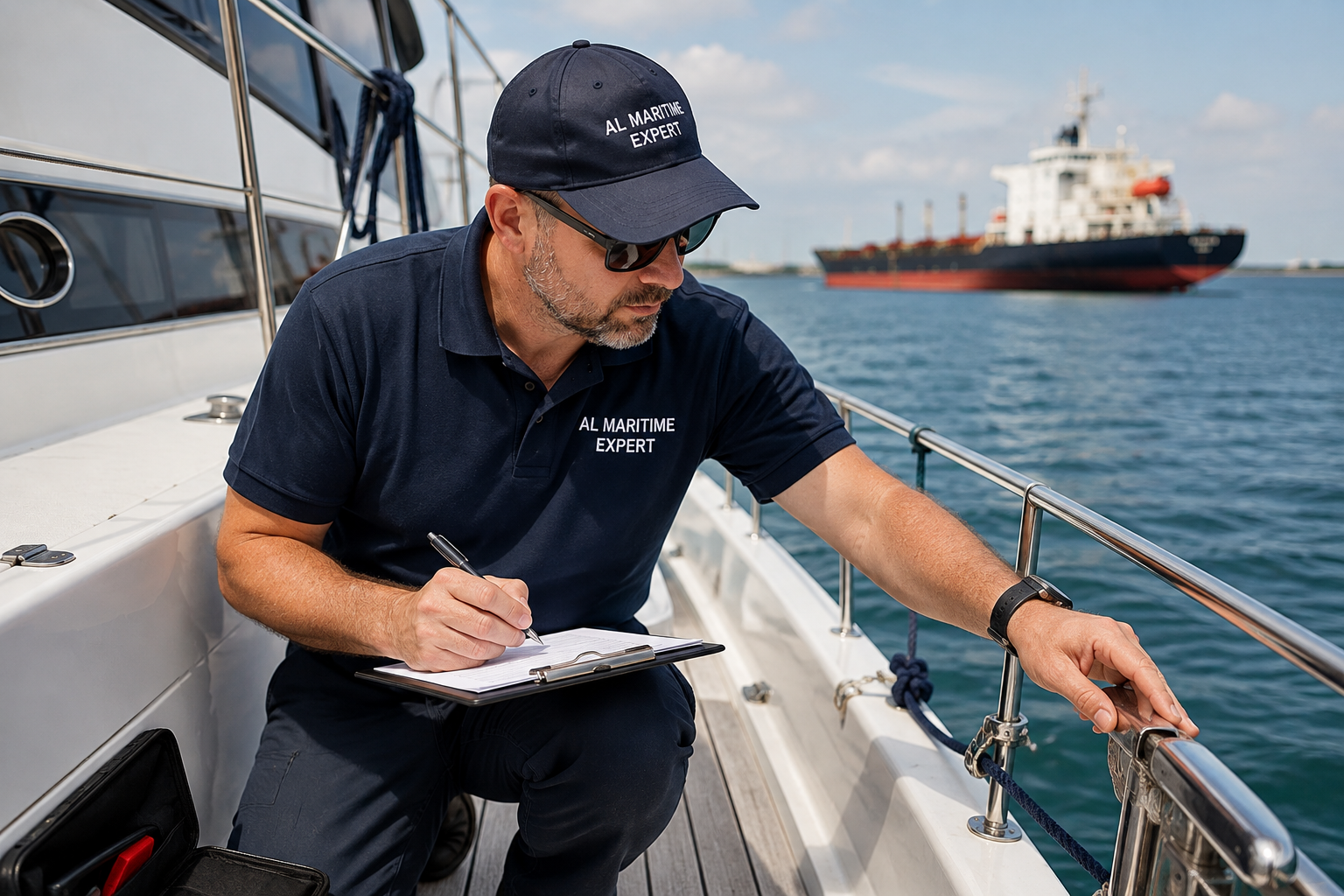
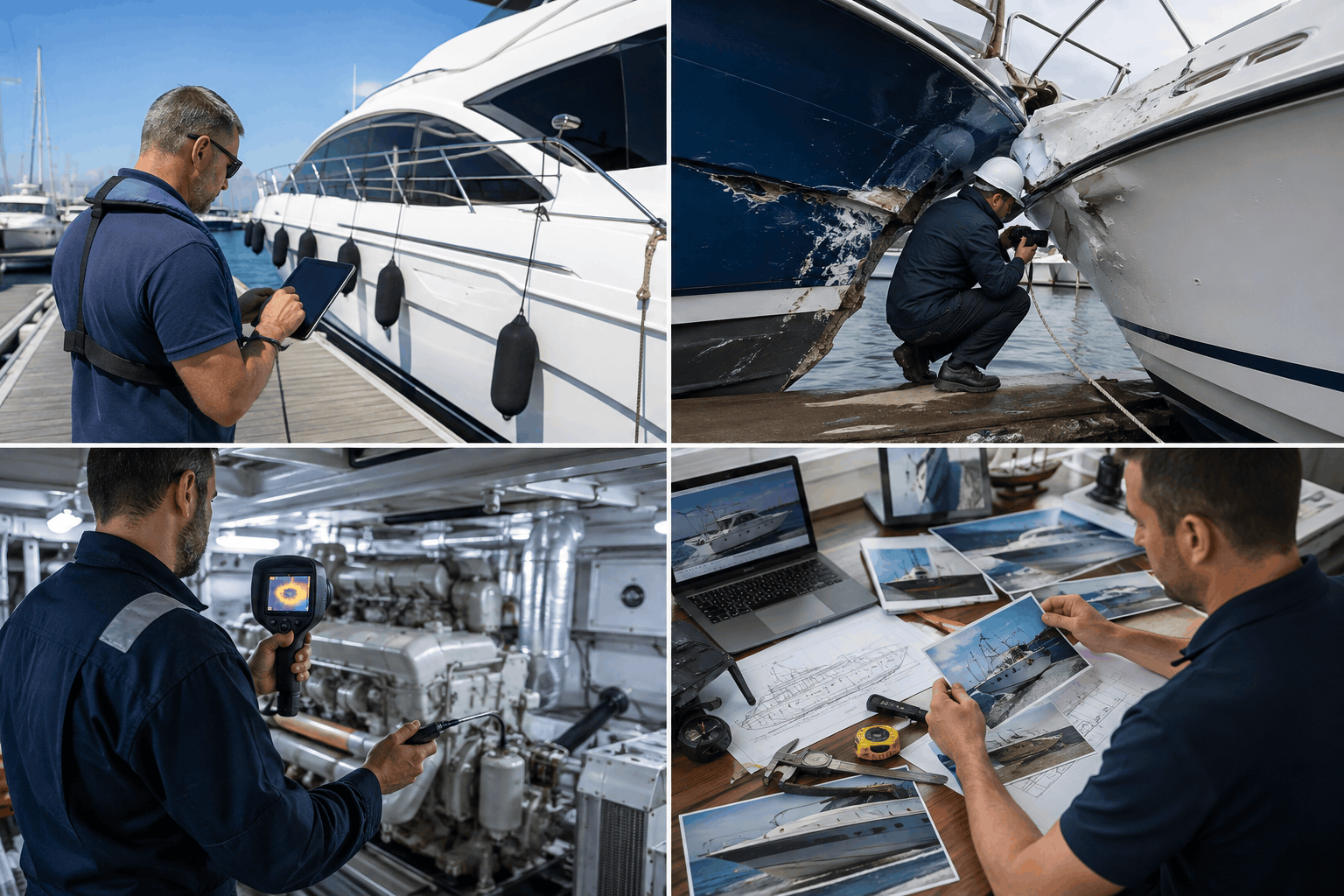
An initial assessment should document visible damage, the location of affected circuits, and any known exposure to heat or water. Photographs, vessel wiring diagrams, equipment manuals, and maintenance records may help identify the systems involved. Depending on the extent of the incident, further examination may be necessary to determine whether wiring behind panels, beneath flooring, or inside enclosed spaces has also been affected.
Owners should not assume that wiring is serviceable simply because its insulation looks intact. Heat can affect nearby components, and moisture or contamination may create problems that are not immediately apparent. Conversely, visible smoke staining does not automatically establish that every nearby cable must be replaced. Decisions should be based on appropriate inspection, testing, manufacturer guidance, and the condition of the affected equipment.
Electrical work following a major fire should be handled by a qualified marine electrician or other appropriately qualified professional. Energizing potentially damaged circuits before they have been assessed can create additional hazards.
Understand How Fire Can Damage Marine Wiring
Marine electrical systems operate in an environment where moisture, vibration, salt exposure, and limited access can complicate maintenance. A fire introduces additional risks that may affect both the wiring and the equipment connected to it.
Heat can soften, crack, shrink, or melt cable insulation. If insulation loses its protective properties, conductors may become exposed or come into contact with adjacent wiring or conductive surfaces. This can increase the risk of short circuits, electrical faults, or overheating.
The effects of heat are not necessarily confined to the area touched by flames. Wiring routed through bulkheads, behind cabinetry, or alongside hot equipment may experience elevated temperatures even when it does not burn directly. The severity of the damage depends on factors such as exposure duration, temperature, cable construction, and proximity to the fire.
Smoke introduces another concern. Residue from burning plastics, insulation, furnishings, and other materials can settle on electrical panels, connectors, and circuit components. Depending on its composition and the surrounding conditions, this contamination may contribute to corrosion, leakage currents, or unreliable electrical connections.
Firefighting water can also affect electrical systems. Water may enter connectors, junction boxes, switches, and enclosed spaces. Saltwater exposure can be particularly corrosive, but freshwater exposure does not automatically mean components are safe to reuse. The condition of each affected component and the manufacturer's guidance should inform decisions about cleaning, testing, repair, or replacement.
Identify Every Affected Circuit
Before replacing wiring, establish which circuits serve the damaged areas and what equipment they connect to. Depending on the vessel, these may include navigation lights, bilge pumps, battery charging systems, engine controls, instrumentation, communication equipment, ventilation, and other onboard electrical systems.
A vessel's wiring diagram can be useful, but older boats may have undocumented modifications or diagrams that no longer reflect the installed system. Physical tracing and professional testing may therefore be necessary to confirm circuit routes and identify connections.
A circuit schedule can help organize the work. Record the circuit's function, cable route where known, connected equipment, protective device, visible damage, and inspection status. This creates a reference for determining what needs replacement and what requires further examination.
Pay particular attention to circuits that support essential functions, including bilge pumping and navigation. Their importance does not justify rushing them back into service. Instead, it makes proper assessment, suitable replacement components, and verification especially important.
If the extent of damage remains uncertain, document the unresolved areas rather than treating them as cleared for use. A clear list of outstanding checks helps the owner, electrician, and repair facility coordinate the next steps.
Choose Suitable Replacement Cable and Components
Replacement wiring should be appropriate for the marine environment and the intended electrical application. Ordinary automotive or household cable should not be substituted automatically for marine-suitable wiring. Cable construction, insulation characteristics, conductor size, environmental exposure, and installation requirements all matter.
The correct conductor size depends on factors such as current demand, circuit length, allowable voltage drop, installation conditions, and applicable standards. Using cable that is too small can cause excessive voltage drop and overheating. Choosing a larger conductor without considering terminal compatibility and installation constraints may also create practical problems.
Connections and protective devices require the same attention as the cable itself. Terminals, connectors, circuit breakers, fuses, switches, and distribution panels may have been exposed to heat, contamination, or water. Replacing only the visibly burned cable may leave damaged components in place.
The repair professional should verify that replacement parts are suitable for the specific system and that protective devices are properly matched to the wiring and connected equipment. Manufacturer instructions and applicable marine electrical standards should guide the work.
Owners should also ask how the new wiring will be routed and supported. Proper securing, chafe protection, separation from unsuitable heat sources, and protection against moisture can help reduce the risk of future damage.
Decide What Can Be Repaired and What Must Be Replaced
Not every component exposed to smoke or water necessarily requires the same treatment. Some items may be suitable for cleaning and evaluation under manufacturer-approved procedures, while others may need replacement because of heat damage, corrosion, contamination, or uncertainty about their reliability.
This distinction is especially important for electronic equipment and sealed components. A connector that appears clean externally may have internal corrosion, while a cable with visibly damaged insulation should not be reused merely because its conductor appears intact.
Ask the electrician to document the reasoning behind significant repair or replacement decisions. The record should identify the component, the observed condition, the recommended action, and any relevant testing or manufacturer guidance.
Where equipment cannot be evaluated reliably, replacement may be the more appropriate option. The decision should account for the component's function, the consequences of failure, the availability of suitable parts, and the extent of exposure. Cost alone should not determine whether a potentially compromised electrical component is returned to service.
Inspect Connections, Grounds, and Protective Devices
A wiring replacement project should include attention to the connections surrounding the damaged area. Electrical faults can originate at loose terminals, corroded connectors, damaged grounding points, or improperly installed protective devices. These issues may remain even after a new cable has been installed.
Grounding and bonding arrangements should be evaluated according to the vessel's design and applicable requirements. Unplanned changes can introduce new problems, so owners should avoid modifying these arrangements without qualified guidance.
Fuses and circuit breakers also deserve careful review. Their ratings must be appropriate for the wiring and circuit they protect. Installing a higher-rated fuse to prevent repeated interruptions can be dangerous if it allows wiring to carry more current than it can safely handle.
Where batteries, charging equipment, or engine electrical systems were affected, the repair scope may extend beyond the damaged wiring itself. Related components should be evaluated as appropriate rather than assumed to be unaffected.
Require Testing Before Returning Systems to Service
Completing the installation does not by itself demonstrate that a repaired circuit is safe and functional. Appropriate inspection and testing should be performed before affected systems are returned to service.
The required checks depend on the circuit and the nature of the damage. They may include verifying connections, checking continuity and insulation where appropriate, confirming correct polarity, evaluating protective devices, and testing equipment operation. Procedures should be selected by the qualified professional and performed using suitable methods for the equipment involved.
Testing should also account for the possibility of damage beyond the replaced cable. If a motor, electronic control, charging component, or other connected device experienced heat or water exposure, its condition may need separate evaluation.
Ask for written records of completed tests, any limitations, and any remaining work. If a circuit could not be fully evaluated, the documentation should state that clearly. A successful test of one component should not be interpreted as proof that every part of the vessel's electrical system is unaffected.
Keep a Record of the Electrical Repairs
Organized documentation helps owners understand what was replaced, what was retained, and which systems were tested. Keep the original damage photographs, inspection findings, wiring diagrams, repair estimates, invoices, parts information, and testing records together.
The repair file should identify the circuits and components involved, the work performed, and any recommendations for further inspection or monitoring. Updated wiring diagrams and circuit schedules are especially useful when routes or connections have changed.
These records may also be useful when discussing repairs with an insurer, future repair facility, prospective buyer, or marine professional. Insurance requirements vary, so owners should confirm which documents are needed for their particular claim rather than assume that an invoice alone will satisfy every requirement.
If additional damage is discovered during repairs, document the finding and obtain an updated scope of work before proceeding with significant unplanned expenses whenever practical.
Take a Careful Approach to Post-Fire Electrical Repairs
Replacing fire-damaged boat wiring requires more than restoring visible connections. Heat, smoke residue, and water can affect cables, terminals, protective devices, and connected equipment in different ways. The appropriate repair plan depends on the vessel, the electrical system, the extent of exposure, and the findings of a qualified assessment.
By documenting the damage, identifying affected circuits, selecting suitable marine components, and requiring appropriate testing, boat owners can make better-informed decisions about electrical restoration. Clear records and careful verification also help ensure that unresolved concerns are not mistaken for completed repairs. Following a major fire, the priority should be establishing the condition of affected systems before relying on them during normal vessel operation.