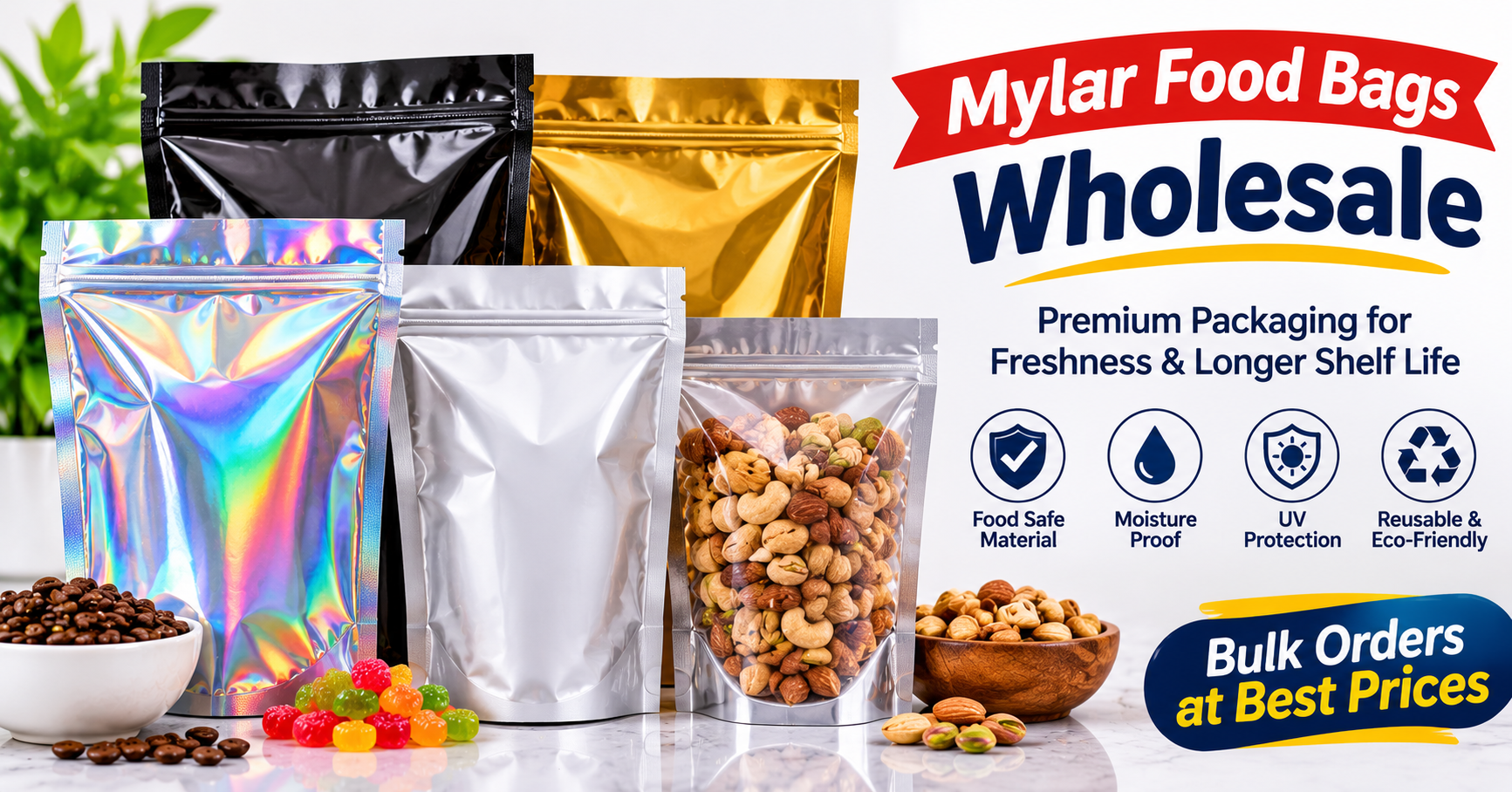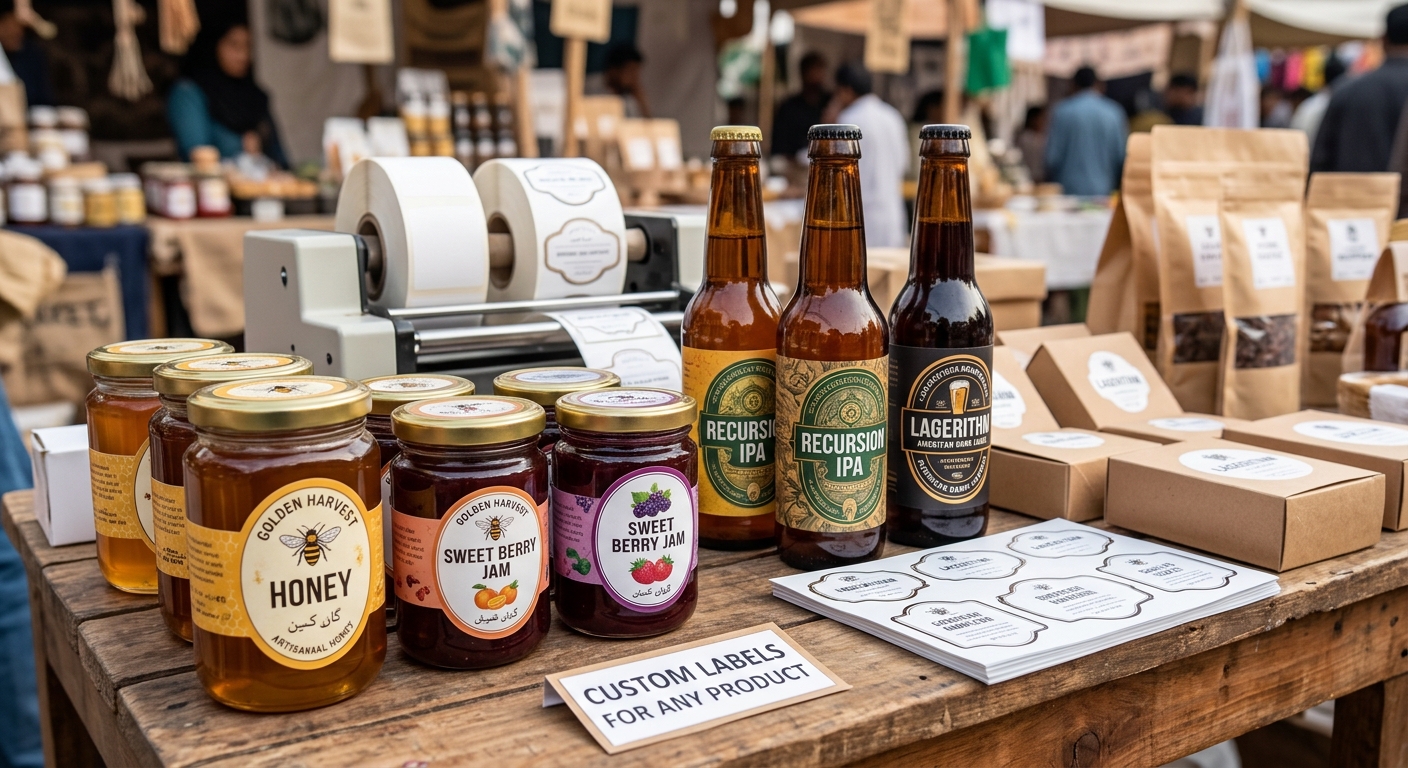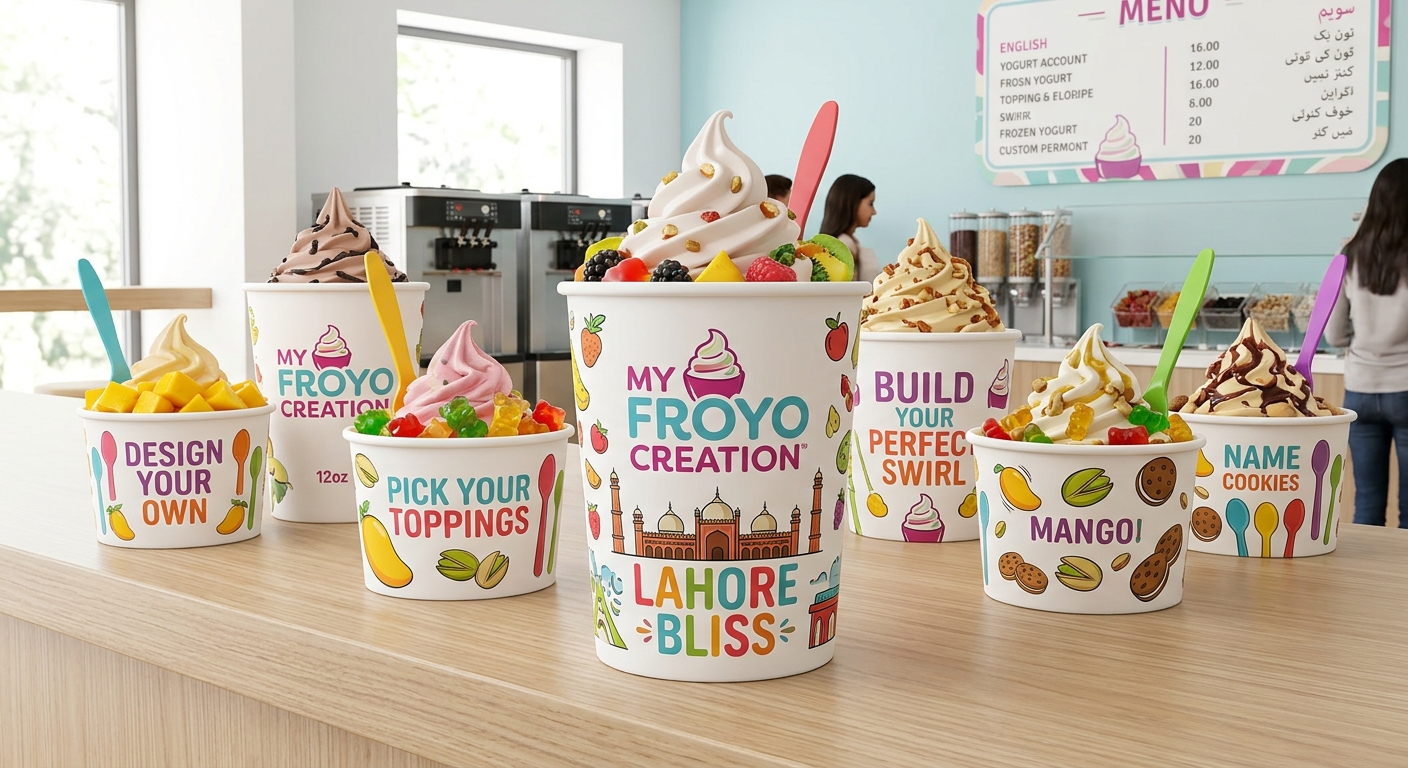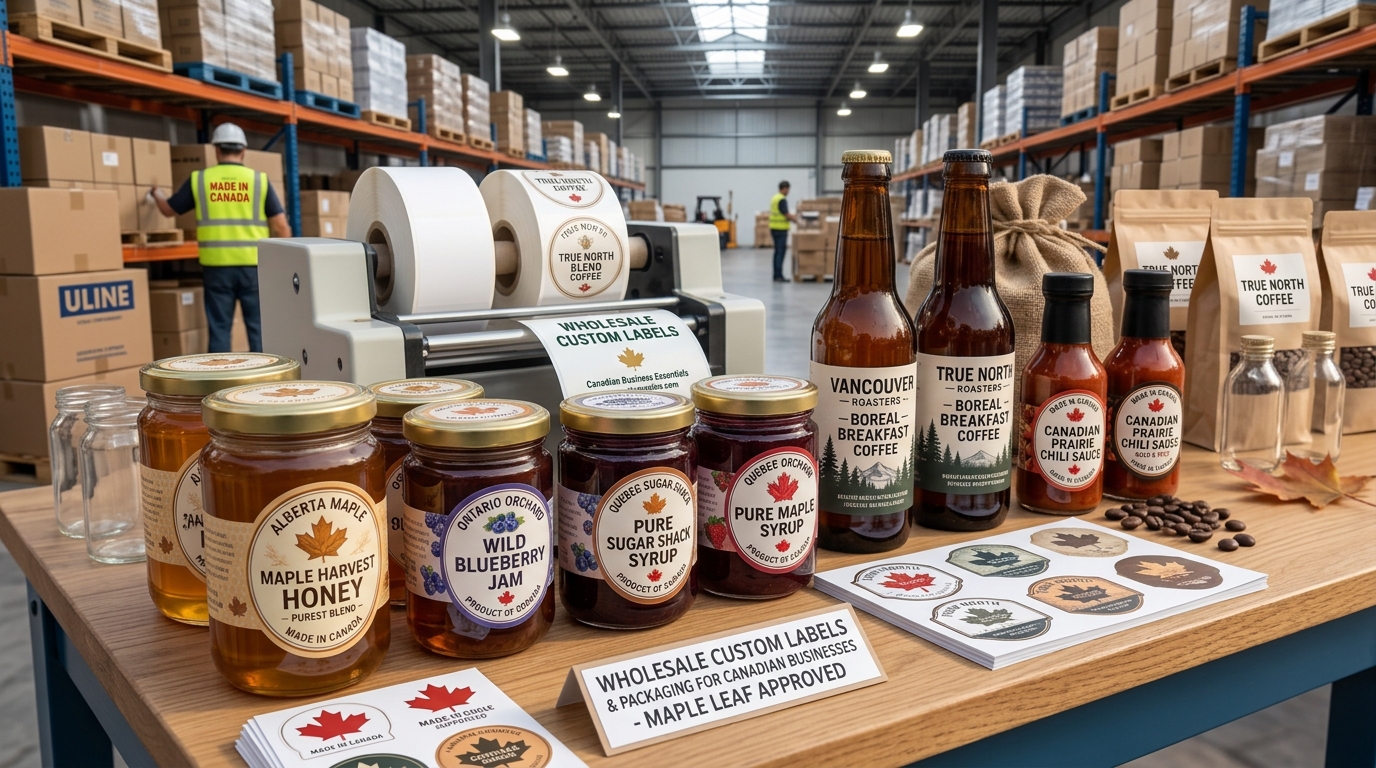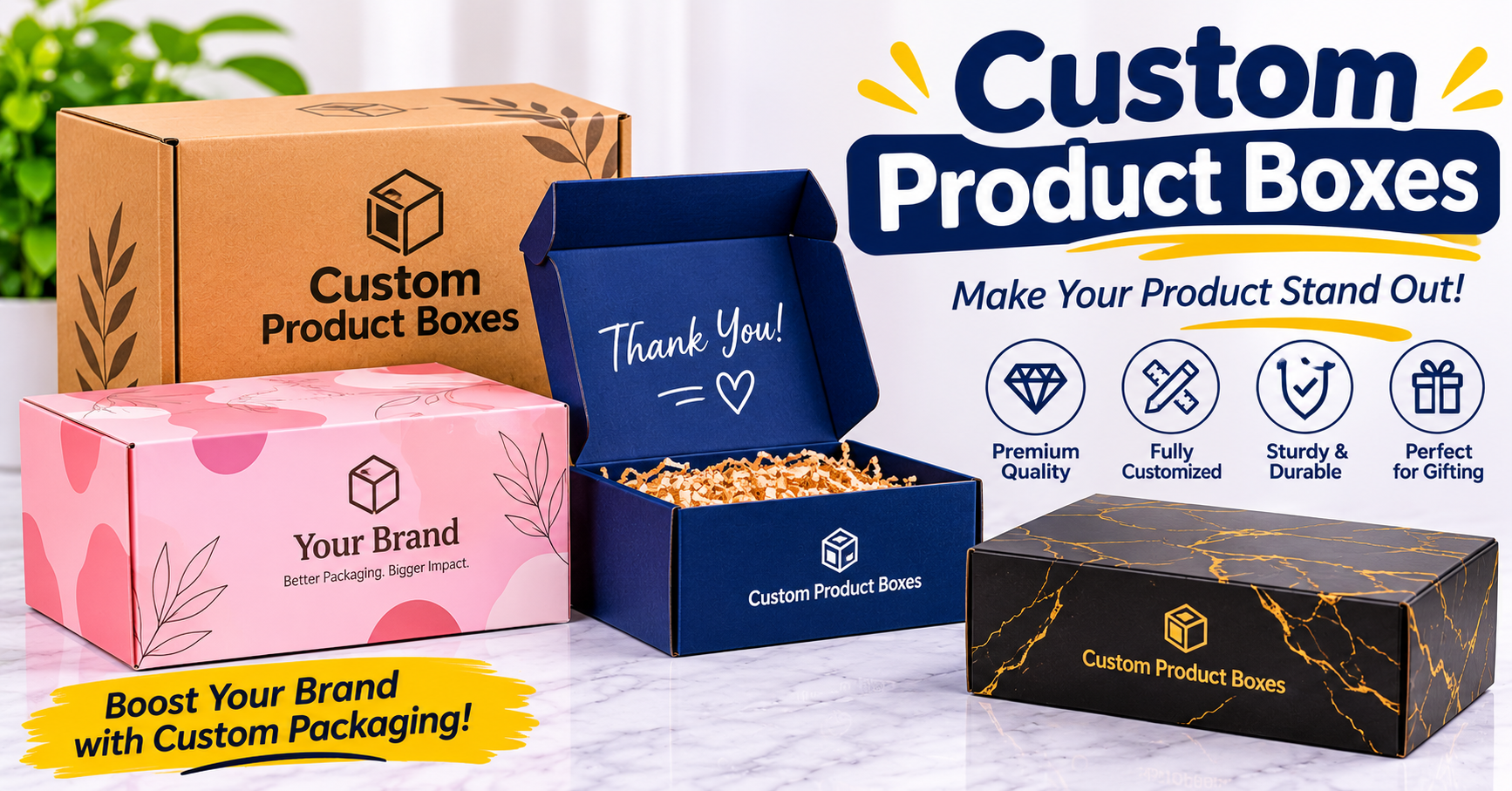
Product boxes have become a normal part of how products are presented today. A box does more than hold an item safely. It can shape the first feeling a customer gets when the package arrives. A simple box can look clean and useful, while a carefully designed one can make a product feel more special. Different products also need different box styles. A small item may need a compact package while a delicate product may need stronger support inside. Material, size, printing, and opening style all matter. Good packaging does not need to be complicated. It simply needs to make sense for the product and the people using it.
Custom Box Designs
Packaging often starts with the shape of the product. A box made around the item can avoid wasted space and reduce movement during handling. Custom product boxes can also give a product its own visual identity without making the package difficult to use. Size matters because an oversized box can feel wasteful,while a box that is too tight can damage the product. A practical design keeps the product secure and leaves enough room for simple protective material. This approach works well for retail products, gifts, cosmetics, food items,s and many other everyday goods.
Canadian Packaging Needs
Different markets can have different packaging expectations. Custom product boxes in Canada can be made for businesses that need packaging suited to local retail shelves, es shipping needs, or seasonal products. Box material can also change depending on the product and its handling conditions. A sturdy board may work for heavier items, while lighter stock can suit smaller goods. Clear product information can be added without filling every available space with text. A simple layout often keeps the package easier to understand. Local businesses can also choose sizes that fit their products instead of relying on standard box dimensions.
Wholesale Box Options
Large product runs require practical planning because packaging costs can become significant across hundreds or thousands of units. Product boxes wholesale can help businesses arrange packaging in larger quantities while keeping the design consistent across a product range. Box construction should still be considered carefully before a large order is placed. Folding style storage space, printing requirements,s and product dimensions all affect the final result. A sensible packaging plan can prevent unnecessary changes later. Consistency is also useful when several products belong to the same brand because matching boxes can create a more organized appearance on shelves.
Printed Brand Details
Printed packaging gives a plain box more information without adding extra labels to every side. Custom printed product boxes can carry a product name, logo, colors, instructions, or other useful details. Printing does not need to cover the entire surface. A small design placed in the right area can be enough to identify the product. The choice of print finish also affects how the package feels in the hand. Matte surfaces can create a softer appearance while other finishes may make colors stand out more. Clear information remains important because packaging should still be easy to understand at a glance.
Premium Box Finishes
Some products need packaging that feels different from ordinary shelf packaging. Luxury product boxes often use stronger materials, refined printing,g and carefully planned opening styles to create that experience. The inside can receive as much attention as the outside. A neat insert can keep a product in place while making the opening process feel organized. Texture can also change how a box feels when handled. Soft-touch surfaces, embossed details, and carefully placed foil elements are possible choices. None of these features are necessary for every product. They work best when the packaging style matches the value and character of the item.
Bulk Packaging Planning
Packaging orders become easier to manage when product dimensions and expected sales are understood before production begins. Wholesale product boxes can suit businesses that need a steady supply for regular orders. Storage should also be considered because boxes can take up considerable room before they are filled. Flat-packed styles may help where storage space is limited. Box strength matters during transportation as well. Packaging that looks good but fails during handling can create avoidable problems. A balance between appearance, strength, storage, and cost gives businesses a more practical foundation for long-term packaging use.
Logo Box Identity
A logo can make packaging easier to recognize without requiring a complicated design. Custom product boxes with logos allow a business identity to appear directly on the package. Logo placement should be clear but should not interfere with important product information. Some boxes may use a small mark on the top while others may place it on a side panel or inside the lid. The surrounding space matters too. A crowded design can make even a good logo harder to notice. Simple placement often gives the package a cleaner appearance while keeping the product name and other details readable.
Product Box Materials
The material chosen for a box affects both appearance and everyday use. Paperboard can work for many lighter products, while thicker board can provide added support for heavier items. Kraft material can create a more natural look while coated surfaces can produce a smoother printed finish. Recyclability can also become part of packaging decisions when businesses are looking for practical material choices. The right material depends on the product size, handling conditions, and expected use. A well-chosen box does not simply look suitable. It also protects the product during storage, transport,t and normal customer handling.
Conclusion
Product boxes can give everyday products a clearer identity while keeping them protected during storage, transport, and handling. The right box does not need an overly complex design. Size, material, print, and opening style should simply work together in a useful way. Different products may call for different structures and finishes. A small retail item may need a simple printed box while a premium product may benefit from stronger materials and detailed finishing. Good packaging stays connected to the product instead of distracting from it. When the design feels natural and practical, the box becomes part of the product experience rather than just another layer around the item.