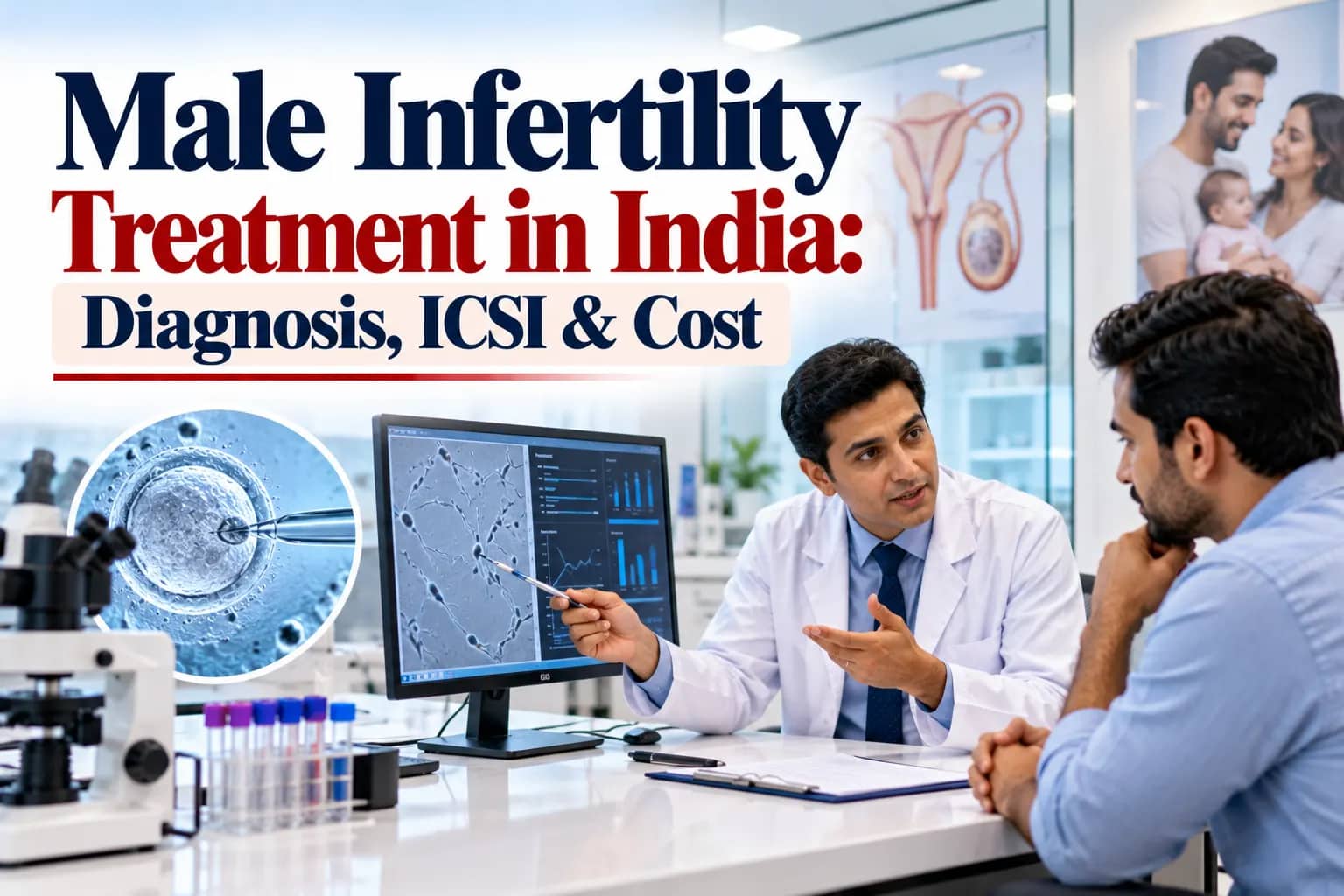
Male infertility is a common reproductive health concern that can affect couples who are trying to conceive. It may be related to low sperm count, poor sperm movement, abnormal sperm shape, hormonal imbalances, blockages in the reproductive tract, or difficulties with ejaculation. Although discussing fertility problems can sometimes feel uncomfortable, understanding the causes and available treatments is an important step toward building a family.
Advances in reproductive medicine have created several options for men experiencing fertility difficulties. Depending on the underlying cause, treatment may include medication, lifestyle changes, surgery, or assisted reproductive techniques such as intrauterine insemination (IUI), in vitro fertilization (IVF), and intracytoplasmic sperm injection (ICSI).
Male Infertility Treatment in India offers patients access to fertility specialists, diagnostic laboratories, and reproductive medicine centers that provide different treatment approaches. The right option depends on the man's medical condition, the fertility status of his partner, the couple's preferences, and their treatment goals.
This guide explains the causes of male infertility, available treatments, diagnostic procedures, estimated costs, and factors to consider when choosing a fertility center in India.
What Is Male Infertility?
Male infertility refers to a man's reduced ability to contribute to a pregnancy. It can result from problems affecting sperm production, sperm quality, sperm transport, or sexual function.
Fertility depends on several factors, including the number of sperm produced, their ability to move effectively, their shape, and their capacity to fertilize an egg. However, a semen analysis alone cannot determine every aspect of a man's fertility.
Infertility is generally evaluated when a couple has not achieved pregnancy after 12 months of regular, unprotected sexual intercourse. Earlier evaluation may be appropriate when the woman is 35 or older, when either partner has known reproductive health concerns, or when there are symptoms suggesting an underlying medical condition.
Male and female fertility factors can occur together, so doctors commonly recommend evaluating both partners rather than focusing on only one person.
Common Causes of Male Infertility
Identifying the underlying cause is essential for selecting an appropriate treatment. Some causes can be corrected directly, while others may require assisted reproductive techniques.
1. Low Sperm Count
A low sperm count, also known as oligozoospermia, means that semen contains fewer sperm than expected. This may reduce the likelihood of fertilization, although pregnancy can still occur in some cases.
Possible causes include hormonal disorders, genetic conditions, previous infections, certain medications, and problems affecting the testicles.
2. Poor Sperm Motility
Sperm motility refers to the ability of sperm to move effectively. Sperm that cannot move properly may have difficulty reaching and fertilizing the egg.
Motility problems can occur alongside other semen abnormalities and may require further investigation.
3. Abnormal Sperm Morphology
Morphology describes the size and shape of sperm. Some men have a higher proportion of sperm with atypical shapes, which can sometimes affect fertilization.
Morphology results should be interpreted alongside sperm count, motility, medical history, and other findings rather than being considered in isolation.
4. Varicocele
A varicocele is an enlargement of the veins within the scrotum. In some men, it can affect testicular function and sperm quality.
Treatment may be considered when a clinically significant varicocele is associated with infertility and other relevant findings. Surgery is not necessary for every man with this condition.
5. Hormonal Imbalances
Hormones such as follicle-stimulating hormone (FSH), luteinizing hormone (LH), and testosterone play important roles in sperm production.
Hormonal conditions may interfere with normal reproductive function. Depending on the cause, treatment can involve specific hormone-based therapies under specialist supervision.
6. Blockages in the Reproductive Tract
In some cases, sperm are produced but cannot travel through the reproductive tract because of a blockage or an anatomical problem.
Certain blockages can be treated surgically. In other cases, sperm may be retrieved directly for use in assisted reproduction.
7. Lifestyle and Environmental Factors
Smoking, excessive alcohol consumption, anabolic steroid use, obesity, some recreational drugs, and exposure to certain environmental toxins may negatively affect reproductive health.
High temperatures affecting the testicles and some occupational exposures may also be relevant. Lifestyle changes can support fertility, although they cannot correct every underlying cause.
Symptoms of Male Infertility
Male infertility often has no obvious symptoms. Many men discover a fertility concern only after undergoing testing because their partner has not become pregnant.
Possible signs associated with underlying conditions include:
Difficulty with erection or ejaculation.
Reduced sexual desire.
Pain, swelling, or a lump in the testicles.
A history of undescended testicles or reproductive surgery.
Changes associated with hormonal disorders, such as reduced facial hair or breast enlargement.
These symptoms do not necessarily mean that a man is infertile. However, persistent testicular pain, a new lump, or sudden severe testicular pain requires prompt medical assessment.
How Is Male Infertility Diagnosed?
An accurate diagnosis helps doctors avoid unnecessary treatments and identify conditions that may be reversible.
Medical History and Physical Examination
The specialist reviews previous illnesses, surgeries, medications, sexual health, lifestyle factors, and the duration of the couple's attempts to conceive. A physical examination may assess the testicles, reproductive structures, and signs of hormonal abnormalities.
Semen Analysis
A semen analysis is usually one of the first investigations. It evaluates several characteristics, including:
Semen volume.
Sperm concentration and total sperm number.
Sperm motility.
Sperm morphology.
An abnormal result does not always establish permanent infertility. Because semen parameters can vary, the doctor may recommend repeating the test under appropriate collection conditions.
Hormonal Blood Tests
Blood tests may measure testosterone, FSH, LH, and other hormones when indicated. These results can help identify problems with testicular function or hormonal regulation.
Ultrasound and Genetic Testing
Scrotal ultrasound may be recommended when the examination suggests a structural problem. Genetic testing may be appropriate in selected men with severe sperm-production problems or suspected inherited conditions.
Additional investigations, such as urine testing after ejaculation or specialized sperm tests, may be considered depending on the clinical situation.
Male Infertility Treatment Options in India
The treatment plan depends on the diagnosis, the severity of the fertility problem, and the reproductive health of both partners. Male Infertility Treatment in India may involve one or more of the following approaches.
1. Medication and Hormonal Treatment
Certain hormonal disorders can be treated with medications that help restore the signals responsible for sperm production.
For example, selected men with hypogonadotropic hypogonadism may benefit from specialist-prescribed hormone treatment. Infections may require appropriate antimicrobial treatment when confirmed.
Testosterone replacement therapy should not be used casually by men trying to conceive because external testosterone can suppress sperm production and sometimes cause severe reductions in sperm count.
Medication should always be selected according to the underlying diagnosis.
2. Varicocele Repair Surgery
Varicocele repair may be considered when an examination confirms a palpable varicocele and the couple has infertility alongside relevant semen abnormalities.
The procedure aims to correct the enlarged veins and may improve sperm parameters in appropriately selected patients. Improvements can take several months, and pregnancy is not guaranteed.
3. Surgery to Correct Blockages
When sperm transport is obstructed, surgery may sometimes restore the passage of sperm. The procedure depends on the location and cause of the blockage.
If reconstruction is not suitable or unsuccessful, the doctor may discuss sperm retrieval combined with assisted reproduction.
4. Sperm Retrieval Procedures
Men with obstructive or certain non-obstructive forms of azoospermia, a condition in which no sperm are found in the ejaculate, may be evaluated for sperm retrieval.
Depending on the diagnosis, techniques can include:
Percutaneous epididymal sperm aspiration (PESA).
Testicular sperm aspiration (TESA).
Testicular sperm extraction (TESE).
Microdissection testicular sperm extraction (micro-TESE).
Not every patient is a suitable candidate. The expected chance of retrieving sperm depends on the underlying condition and should be discussed before the procedure.
5. Assisted Reproductive Techniques
Assisted reproduction can help couples when natural conception is difficult or when other treatments have not been successful.
Intrauterine Insemination (IUI)
IUI involves placing prepared sperm directly into the uterus around the time of ovulation. It may be suitable in selected cases involving mild male-factor infertility, depending on the total number of motile sperm available after preparation and the female partner's fertility.
In Vitro Fertilization (IVF)
IVF involves fertilizing eggs with sperm in a laboratory. The resulting embryos are monitored before an embryo is transferred into the uterus.
IVF may be considered when sperm-related problems occur alongside other fertility factors or when less invasive treatment is unlikely to be effective.
Intracytoplasmic Sperm Injection (ICSI)
ICSI involves injecting a single sperm directly into an egg. It is commonly used for severe male-factor infertility, certain sperm-retrieval cases, or specific fertilization problems.
ICSI can help overcome some barriers to fertilization, but it does not guarantee embryo development, pregnancy, or live birth.
Cost of Male Infertility Treatment in India
The cost varies considerably according to the diagnosis, treatment method, hospital, city, medications, and laboratory requirements.
The following figures are broad planning estimates, not fixed prices or verified quotations from individual hospitals.
Treatment or investigation
Indicative cost in India
Initial consultation
?500–?2,500
Semen analysis
?500–?2,000
Hormonal investigations
?1,500–?6,000
Varicocele surgery
?30,000–?1,00,000
IUI cycle
?8,000–?25,000
IVF cycle
?1,00,000–?2,50,000
IVF with ICSI
?1,50,000–?3,00,000 or more
Selected sperm retrieval procedures
?25,000–?1,00,000 or more
Actual costs may fall outside these ranges. Specialized genetic testing, medications, embryo freezing, additional procedures, and repeat cycles can increase the overall expense.
Before beginning treatment, ask for a written estimate covering consultation, investigations, procedures, medications, laboratory services, follow-up, and any additional charges.
Why Choose India for Male Infertility Treatment?
India has fertility centers offering diagnostic services, male reproductive health consultations, microsurgical procedures, and assisted reproductive technologies. Costs and available services vary by provider, so patients should compare treatment plans rather than choosing a clinic based on price alone.
When selecting a fertility center, consider:
Specialist experience: Look for a urologist or andrologist with experience in male reproductive health, alongside a qualified fertility specialist when needed.
Diagnostic facilities: Ensure the center can perform appropriate semen testing and arrange hormonal, imaging, and genetic investigations when indicated.
Laboratory standards: Ask about the experience of the embryology team and the laboratory procedures used for IVF and ICSI.
Transparent pricing: Request a detailed estimate and clarify what happens if additional procedures are needed.
Personalized care: Treatment should address the underlying cause rather than offering the same approach to every patient.
For international patients, travel planning, medical records, appointment scheduling, and follow-up arrangements are also important considerations.
HealthRoop helps international patients explore fertility care options in India, compare suitable hospitals, and coordinate consultations and treatment-related travel arrangements. Patients should verify the credentials of their treating doctors and discuss the expected benefits, risks, and alternatives before proceeding.
Lifestyle Changes That May Support Male Fertility
Healthy habits can support general reproductive health and may improve certain sperm parameters, although lifestyle changes alone cannot resolve every cause of infertility.
Helpful steps include:
Stop smoking and avoid recreational drugs.
Limit or avoid alcohol, particularly excessive consumption.
Maintain a healthy weight through balanced nutrition and regular physical activity.
Get adequate sleep and manage ongoing stress.
Avoid anabolic steroids and non-prescribed testosterone.
Review medications and workplace exposures with a doctor.
Seek medical advice for persistent testicular discomfort or symptoms of hormonal problems.
Sperm development takes approximately two to three months, so improvements following lifestyle changes may take time to appear in semen testing. Couples should not delay appropriate medical evaluation while waiting for lifestyle changes to work.
Conclusion
Male infertility can have several causes, but many men have treatment options that may improve their chances of achieving pregnancy. The first step is an appropriate evaluation to identify whether the problem involves sperm production, sperm movement, hormonal function, reproductive anatomy, or another factor.
Male Infertility Treatment in India includes medical therapy, corrective surgery, sperm retrieval, IUI, IVF, and ICSI, depending on individual needs. No single treatment is right for everyone, and outcomes depend on the diagnosis and the fertility of both partners.
With a personalized medical assessment, realistic expectations, and support from qualified specialists, couples can make informed decisions about their reproductive journey. HealthRoop can help patients explore available fertility services in India, while the treating medical team determines the most appropriate diagnostic and treatment plan.
Is this conversation helpful so far?