Choosing countertop materials is an important part of creating a home that feels coordinated, functional, and visually appealing. Countertops appear in several areas, including kitchens, bathrooms, laundry rooms, and entertainment spaces. Although each surface serves a different purpose, the materials and finishes can influence how the rooms relate to one another.
Homeowners planning a renovation should consider more than the color of a countertop. Texture, durability, maintenance, lighting, cabinetry, and the surrounding finishes all affect the final result. A surface that looks attractive on its own may not complement the rest of the room, while a carefully selected material can help connect different design elements.
Start with the Character of Your Home
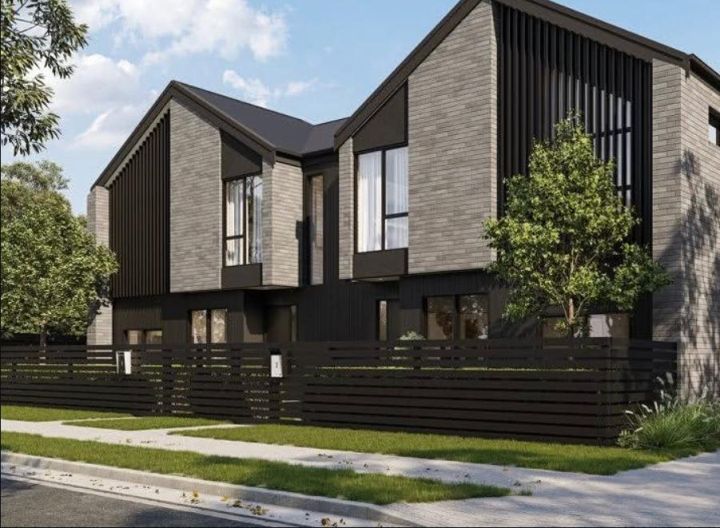
Before selecting countertop materials, consider the architectural style and overall character of your home. A contemporary property with clean lines and minimal decoration may benefit from simple surfaces and understated patterns. A traditional home, on the other hand, may suit richer textures, decorative edges, and materials with distinctive natural variation.
Exploring different natural stone countertop options can help homeowners understand how materials such as granite, marble, and quartzite contribute to different interior styles. Each stone has its own pattern, color variation, and visual character, making it important to compare actual slabs rather than relying only on general descriptions.
Consider the finishes already present in the home. Hardwood flooring, painted cabinetry, metal fixtures, wall colors, and decorative details all contribute to the visual atmosphere. Countertops should complement these features instead of introducing a competing style without a clear design purpose.
It can be helpful to establish a basic design direction before visiting a showroom. Gather photographs of interiors you like, identify recurring colors, and decide whether you prefer a subtle appearance or a stronger focal point. This preparation makes it easier to narrow the options and avoid choosing a surface simply because it looks impressive in isolation.
Choose a Consistent Color Palette
Color is one of the most noticeable features of a countertop, but it should be evaluated in relation to the entire room. Cabinets, flooring, wall finishes, appliances, and natural light can change how a countertop color appears.
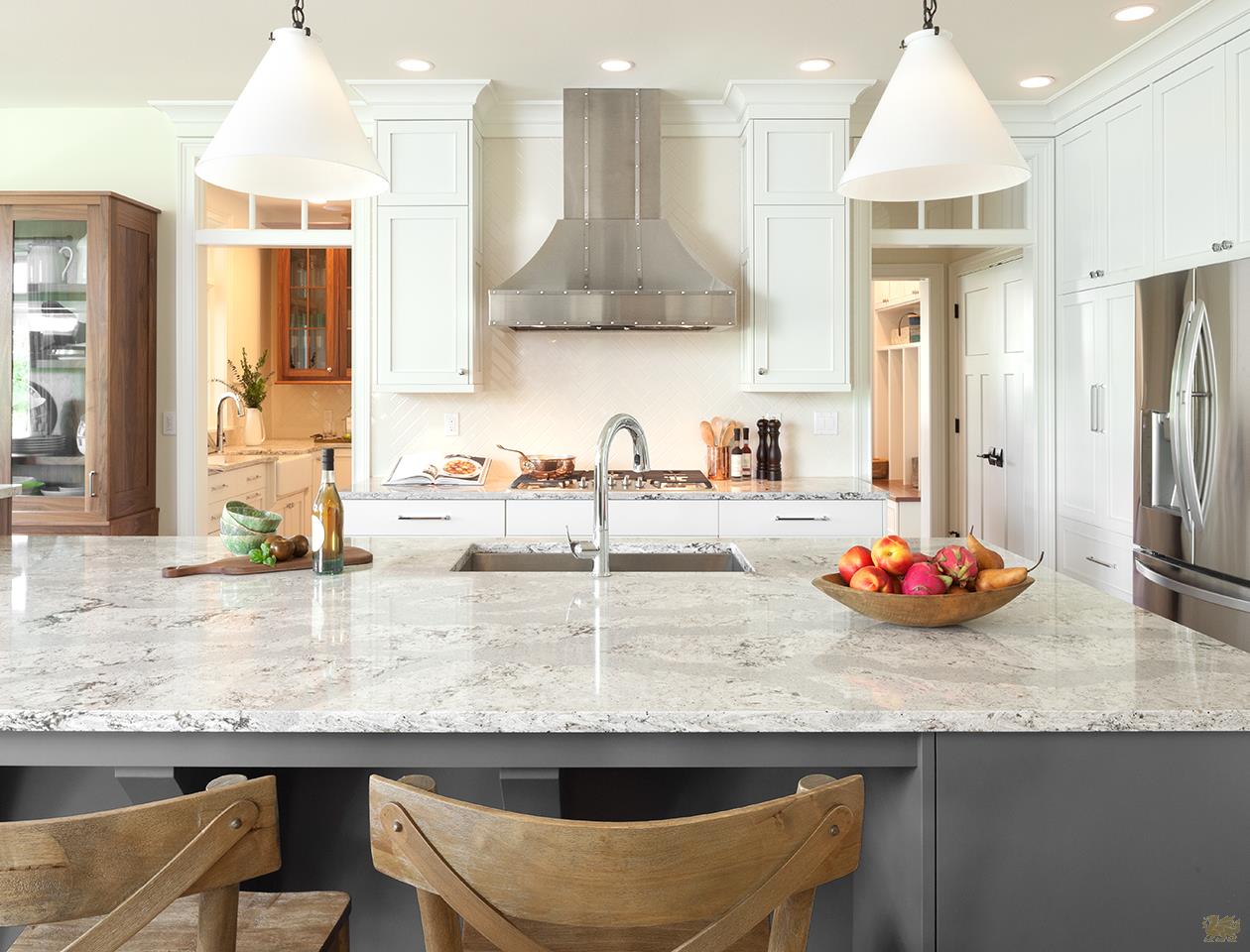
Light-colored surfaces often work well in kitchens where homeowners want an open, bright atmosphere. White, cream, and pale gray can complement a variety of cabinet colors and help smaller spaces feel less visually crowded. Depending on the material, subtle veining may add depth without overwhelming the design.
Darker countertops can create contrast and establish a strong visual anchor. They may complement light cabinets, warm wood finishes, or interiors built around dramatic color combinations. However, the effect depends on the amount of natural light and the surrounding finishes.
Neutral colors can provide flexibility when homeowners expect to update other parts of the room in the future. A countertop in a restrained shade may continue to work with different cabinet hardware, wall colors, and decorative accessories.
When comparing samples, examine them beside cabinet doors, flooring samples, and backsplash materials. View the combination in different lighting conditions whenever possible. A coordinated palette does not require every surface to match exactly; it requires the colors to work together without creating unnecessary visual competition.
Balance Patterns and Textures
Pattern and texture influence how a countertop interacts with the other surfaces in a room. Some materials feature pronounced veining, speckles, or mineral variation, while others have a more consistent appearance.
If the countertop has a dramatic pattern, simpler cabinets and a restrained backsplash can help maintain balance. This approach allows the surface to become a focal point without making the room feel visually busy.
In a kitchen with patterned flooring, decorative cabinet doors, or a detailed backsplash, a more understated countertop may be a better choice. Several distinctive patterns can work together, but they need a deliberate relationship in scale, color, and placement.
Texture matters as well. Polished surfaces reflect light and can create a refined appearance, while honed or matte finishes often produce a softer effect. The right finish depends on the design direction and the practical needs of the space.
Natural materials introduce variation that cannot always be replicated precisely across every section. This is part of their appeal, but it also means homeowners should review the actual slab before fabrication. Seeing the full pattern helps clarify how it will appear across an island, long counter, or other prominent surface.
Compare Countertop Materials for Different Rooms
Each room places different demands on its countertop. A kitchen preparation area may experience frequent contact with food, liquids, and cookware, while a bathroom vanity may be exposed primarily to water, toiletries, and personal-care products.
Material selection should reflect these differences. Homeowners may want a visually consistent style throughout the property, but that does not necessarily mean installing the same material in every room.
Natural stone offers distinctive patterns and geological variation. Granite, marble, and quartzite differ in their characteristics, so their maintenance requirements and suitability should be assessed individually. The finish and specific stone variety also affect how a surface responds to daily use.
Engineered quartz is manufactured using quartz and binding materials, along with pigments and other components. It is available in a wide range of colors and patterns, including designs inspired by natural stone. Its care requirements differ from those of marble, granite, and quartzite, and heat precautions are still important.
Solid-surface materials and other manufactured products may provide additional choices for homeowners who prioritize a particular appearance or maintenance routine. Their performance depends on the product specifications and intended application.
The best comparison considers the actual use of the countertop rather than relying on broad claims about one material being better than another. Ask suppliers about cleaning recommendations, resistance to common forms of damage, sealing requirements, and any limitations relevant to the selected product.
Coordinate Kitchen Countertops with Cabinetry
The kitchen is often the most visually prominent area for countertop selection because the surface connects cabinetry, appliances, flooring, and the backsplash. A well-coordinated combination can make the room feel organized even when it includes several different finishes.
For a kitchen with light cabinets, homeowners can choose a countertop that maintains a bright palette or introduces contrast through darker colors and stronger patterns. Both approaches can work, provided the other finishes support the intended look.
Wood cabinetry creates another opportunity to coordinate color and texture. Warm wood tones can pair with cream, beige, gray, or certain darker surfaces, depending on the wood's undertones. Comparing physical samples is particularly useful because wood finishes may appear warmer or cooler under different lighting conditions.
The backsplash should also be considered early. A simple backsplash can complement a prominent countertop pattern, while a more decorative tile may suit a countertop with a quieter appearance. The relationship between these surfaces often has a greater effect on the overall design than either material considered separately.
Homeowners should evaluate hardware and fixtures as part of the same process. Cabinet handles, faucets, sinks, and lighting can reinforce the design direction through their color, shape, and finish.
Use Quartz for a Coordinated, Contemporary Look
Quartz can be a practical option for homeowners seeking a countertop that complements a contemporary interior. Its manufactured composition allows for a wide range of colors and patterns, including relatively uniform designs and surfaces inspired by marble or other natural materials.
When comparing quartz countertop designs for residential interiors, consider how the surface will relate to cabinetry, wall colors, and other finishes. A subtle pattern may suit a minimalist kitchen, while a more pronounced design can create interest in a room with simpler surrounding elements.
Consistency is one reason homeowners consider quartz for projects involving multiple surfaces. Depending on the selected product, it may be possible to coordinate a kitchen countertop with a bathroom vanity or another area of the home. However, color and pattern availability should be confirmed before planning around a specific design.
Quartz should still be evaluated according to its intended use. Although many products are designed for everyday residential applications, they can be affected by excessive heat, certain chemicals, and unsuitable cleaning methods. Follow the manufacturer's guidance for care and maintenance.
It is also worth comparing samples under the lighting conditions in which the surface will be installed. A quartz pattern that appears subtle in a showroom may become more noticeable across a larger countertop. Reviewing a larger sample can help homeowners understand the material's visual impact before making a final decision.
Consider Lighting Before Finalizing a Surface
Lighting can significantly influence how a countertop appears. Natural daylight, warm artificial lighting, and cooler task lighting may reveal different aspects of a material's color and pattern.
A countertop in a room with limited daylight may look darker than it does in a bright showroom. Reflective surfaces can distribute light differently from matte finishes, while heavily patterned materials may appear more prominent under direct illumination.
Kitchen lighting should be considered at several levels. General lighting provides overall visibility, task lighting supports food preparation, and accent lighting can highlight architectural details or decorative surfaces. The combined effect influences how the countertop looks throughout the day.
Bathroom lighting introduces similar considerations, especially around vanities. The countertop should complement the wall color, mirror, fixtures, and lighting temperature rather than being selected independently.
Before committing to a material, compare samples in the intended space whenever practical. If the room is still under construction, photographs and samples of the planned finishes can provide useful guidance, although they may not reproduce lighting conditions perfectly.
Think About Maintenance and Everyday Habits
A countertop should fit the way a household uses its space. Appearance is important, but the material's maintenance requirements can influence long-term satisfaction.
Consider how frequently the surface will be used and what activities will take place on it. A busy kitchen may require a different approach from a guest bathroom or decorative serving area. Families who prepare meals regularly may place greater emphasis on easy cleaning and practical work areas.
Natural stone requires care appropriate to the particular material and finish. Some varieties may benefit from sealing, while others have different recommendations. Sealing can reduce absorption in suitable materials, but it does not make every stone resistant to scratches, etching, or all types of stains.
Engineered surfaces also have product-specific care requirements. Homeowners should avoid assuming that all manufactured countertops respond to heat, cleaning products, or abrasion in the same way.
Simple habits can help preserve a countertop's appearance. Use cutting boards for food preparation, follow guidance on hot cookware, clean spills promptly, and choose cleaning products approved for the surface. These practices should be tailored to the selected material rather than applied as a universal maintenance formula.
Asking about maintenance before purchase helps homeowners understand what ownership will involve. This can be especially useful when comparing materials with similar appearances but different care requirements.
Plan Measurements, Edges, and Installation Details
Even a well-chosen countertop can disappoint if its dimensions and installation details are not planned carefully. Accurate measurements are essential for ensuring that the surface fits the cabinetry, walls, sinks, cooktops, and other fixtures.
The countertop edge should suit the style of the room. Straight edges often complement contemporary interiors, while more decorative profiles may work with traditional cabinetry. The selected edge also needs to be appropriate for the material and the intended application.
Overhangs, islands, and seating areas require particular attention. Homeowners should discuss support requirements and layout limitations with the professionals responsible for fabrication and installation. These details should be settled before the material is cut.
Seam placement can affect the finished appearance, especially when a countertop has strong veining or a distinctive pattern. Reviewing the proposed layout with the fabricator can help establish where seams will appear and how the pattern will be arranged.
It is also important to confirm sink and faucet specifications before fabrication begins. Changes to fixtures or cabinet layouts late in the project can create complications. Coordinating these decisions early helps reduce avoidable delays and supports a more predictable installation process.
Create Continuity Without Making Every Room Identical
A cohesive home does not need to use identical materials in every room. Instead, continuity can come from shared colors, complementary textures, and a consistent approach to finishes.
For example, a kitchen might feature a countertop with noticeable natural veining, while a bathroom uses a simpler surface in a related color family. The rooms remain visually connected without appearing repetitive.
Hardware finishes, cabinet colors, flooring tones, and wall colors can also establish a relationship between spaces. Repeating one or two design elements may be enough to create continuity while allowing each room to meet its own functional requirements.
Open-plan homes benefit from this approach because the kitchen may be visible from the dining and living areas. Selecting a countertop that complements nearby furniture, flooring, and decorative finishes can help the transition between spaces feel natural.
Homeowners should also consider how future changes may affect the design. Flexible colors and finishes can make it easier to update paint, lighting, or accessories without replacing major surfaces.
Make a Thoughtful Final Decision
Selecting the right countertop material involves balancing appearance, practical requirements, maintenance, and the wider design of the home. Rather than choosing a surface based only on a photograph or showroom display, homeowners should evaluate how it will look and perform in the intended setting.
Begin with a clear design direction, compare colors and patterns with existing finishes, and consider the activities each surface will support. Review actual samples, ask about care requirements, and discuss installation details before making a final commitment.
It is equally important to work with accurate measurements and product-specific guidance. Understanding the differences between natural stone and manufactured surfaces can help homeowners choose materials that align with their expectations.
With careful planning, countertops can connect the design elements of a home while serving the practical needs of everyday life. A coordinated selection does not have to be complicated; it simply requires thoughtful decisions about color, texture, performance, and how each surface contributes to the overall space.