Bone and joint pain can affect almost every part of daily life, from walking and climbing stairs to working, exercising, and sleeping comfortably. While occasional discomfort may improve with rest, persistent or recurring pain should not be ignored. It may indicate an underlying bone, joint, muscle, or ligament problem that requires professional evaluation.
Finding a bone doctor near me Ambikapur can help patients understand the possible cause of their discomfort and explore suitable treatment options. Whether someone is experiencing knee pain, back discomfort, a sports injury, or difficulty moving a joint, an orthopaedic consultation is an important step towards better musculoskeletal health.
Dr. Tanay Goyal is a relevant name for patients exploring orthopaedic care and guidance in Ambikapur. Understanding common bone-related conditions, recognising warning signs, and knowing when to seek medical attention can help individuals make informed decisions about their health.
Why Is Bone Pain Evaluation Important?
Bone pain is not always caused by a problem within the bone itself. Sometimes, discomfort originates from surrounding muscles, tendons, ligaments, joints, or nerves. Identifying the actual source of pain is important because different conditions require different approaches to treatment.
An orthopaedic evaluation helps assess symptoms, physical movement, joint function, and possible structural problems.
Some common reasons to consult a bone specialist include:
Persistent pain in the knees, hips, shoulders, or back.
Swelling or stiffness around the joints.
Difficulty walking, standing, or lifting objects.
Pain following a fall, accident, or sports injury.
Reduced flexibility or restricted joint movement.
Suspected fractures or bone-related abnormalities.
Repeated discomfort during physical activities.
Early assessment can help identify problems before they interfere significantly with everyday activities. It can also prevent patients from relying on inappropriate self-treatment or ignoring symptoms that need medical attention.
Common Causes of Bone and Joint Pain
Bone and joint discomfort can develop for several reasons. Age, lifestyle, physical activity, previous injuries, and certain medical conditions may influence musculoskeletal health.
1. Osteoarthritis
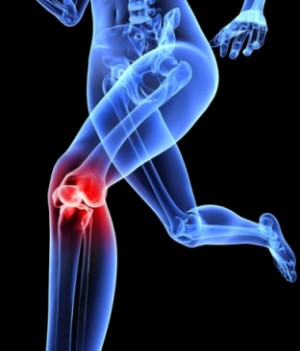
Osteoarthritis is a common joint condition in which the protective cartilage gradually wears down. It frequently affects the knees, hips, hands, and spine.
Patients may experience:
Pain during movement.
Joint stiffness, particularly after resting.
Swelling around affected joints.
Difficulty performing routine activities.
Although osteoarthritis is more common with increasing age, joint injuries and other factors can also contribute to its development.
2. Fractures and Bone Injuries
A fracture occurs when a bone breaks due to an injury, accident, or weakened bone structure. Some fractures happen after significant trauma, while others can develop from relatively minor incidents in people with osteoporosis.
Common warning signs include severe pain, swelling, bruising, and difficulty using the affected body part. A suspected fracture requires prompt medical assessment and appropriate imaging.
3. Back and Neck Pain
Back and neck discomfort can result from poor posture, muscle strain, spinal conditions, or age-related changes. Long working hours, prolonged sitting, and improper lifting techniques may also contribute.
Pain that continues for several days, repeatedly returns, or affects normal movement should be evaluated by a healthcare professional.
4. Osteoporosis
Osteoporosis is a condition that reduces bone strength and increases the risk of fractures. It often develops without noticeable symptoms until a fracture occurs.
People at higher risk may benefit from discussing bone health assessment with their doctor. Depending on individual circumstances, a bone mineral density test may be recommended.
5. Sports and Physical Activity Injuries
Running, jumping, weightlifting, and other physical activities can sometimes cause injuries involving bones, joints, muscles, and ligaments.
Sprains, ligament injuries, stress fractures, and tendon problems may produce similar symptoms. A proper evaluation helps distinguish between these conditions.
When Should You Consult a Bone Doctor?
You should consider consulting an orthopaedic specialist when bone or joint pain persists, worsens, or begins affecting your daily routine. Pain following an accident, repeated joint swelling, and unexplained difficulty walking are also reasons to seek professional evaluation.
Certain symptoms require urgent medical attention, including:
Visible bone deformity after an injury.
Severe pain following a fall or accident.
Inability to stand or put weight on a limb.
An open wound with a suspected fracture.
A hot, swollen joint accompanied by fever.
New weakness, numbness, or loss of bladder or bowel control with back pain.
Do not attempt to straighten a suspected fracture or force an injured joint into position. Seek appropriate medical care instead.
What to Expect During a Bone Pain Evaluation?
A bone pain evaluation usually begins with a discussion of symptoms and medical history. The doctor may ask when the pain started, where it occurs, what makes it worse, and whether there has been a recent injury.
The assessment may involve several steps.
1. Understanding Medical History
The doctor may ask about:
Previous fractures or joint injuries.
Existing medical conditions.
Current medications.
Family history of bone disorders.
Daily activities and exercise habits.
The duration and intensity of pain.
This information helps build a clearer understanding of the problem.
2. Physical Examination
A physical examination may include checking the affected area for tenderness, swelling, stiffness, and restricted movement.
The doctor may also assess posture, walking patterns, joint stability, and muscle strength, depending on the symptoms.
3. Diagnostic Imaging and Tests
Depending on the suspected condition, additional investigations may be recommended.
Common diagnostic options include:
X-rays: Help identify fractures, joint changes, and certain bone abnormalities.
MRI: Provides detailed images of soft tissues, ligaments, cartilage, and some bone conditions.
CT scans: Offer detailed cross-sectional images of bones and complex injuries.
Bone density tests: Help evaluate bone strength and osteoporosis risk.
Blood tests: May be advised when infection, inflammation, or metabolic conditions are suspected.
Not every patient requires all these investigations. The appropriate tests depend on the symptoms and clinical findings.
Treatment Options for Bone and Joint Conditions
Treatment depends on the underlying diagnosis, the severity of the condition, the patient's age, and overall health. A personalised treatment plan is generally more appropriate than following a single approach for every type of bone pain.
Non-Surgical Treatment
Many orthopaedic conditions can initially be managed without surgery.
Possible treatment approaches include:
Prescribed medications for pain and inflammation.
Physiotherapy to improve flexibility and strength.
Activity modification to reduce pressure on affected joints.
Supportive braces or other orthopaedic aids when appropriate.
Lifestyle changes to support bone and joint health.
Patients should take medicines only as advised by a qualified healthcare professional.
Surgical Treatment
Surgery may be considered when conservative treatment does not provide sufficient improvement or when the condition requires surgical intervention.
Depending on the diagnosis, surgical procedures may include fracture fixation, ligament reconstruction, joint replacement, or other orthopaedic operations.
The decision to undergo surgery should involve a detailed discussion of expected benefits, possible risks, recovery time, and alternative treatments.
How to Maintain Healthy Bones and Joints
Daily habits play an important role in maintaining musculoskeletal health. Although lifestyle changes cannot replace medical treatment, they can support stronger bones and better joint function.
Consider the following practical measures:
1. Include calcium-rich foods: Milk, curd, paneer, leafy vegetables, and other suitable food sources can contribute to daily calcium intake.
2. Maintain adequate vitamin D: Vitamin D supports calcium absorption. Discuss supplementation or testing with a healthcare professional if deficiency is suspected.
3. Stay physically active: Walking, swimming, and appropriate strength-training exercises can support muscle strength and joint mobility.
4. Maintain a healthy weight: Excess body weight can increase mechanical stress on weight-bearing joints, particularly the knees and hips.
5. Practise good posture: Use appropriate sitting positions and avoid prolonged periods in uncomfortable postures.
6. Avoid smoking: Smoking can negatively affect bone health and may interfere with healing.
7. Take injuries seriously: Persistent discomfort after physical activity or an accident should not be ignored.
Small, consistent changes can help protect long-term bone and joint health.
Choosing the Right Bone Doctor Near Me in Ambikapur
Selecting an orthopaedic doctor is an important decision, particularly when pain is affecting everyday activities. Patients should look beyond convenience and consider whether the doctor can appropriately evaluate their condition and explain the available options.
Here are some factors worth considering:
Relevant medical expertise: Look for a doctor whose clinical experience is relevant to your symptoms or suspected condition.
Proper evaluation: A good consultation should include a discussion of symptoms and an appropriate physical examination.
Clear communication: The doctor should explain possible diagnoses, investigations, and treatment choices in understandable language.
Treatment planning: Recommendations should consider the patient's health, lifestyle, and individual needs.
Follow-up guidance: Recovery may require regular monitoring, rehabilitation, or adjustments to treatment.
Patients searching online for a bone doctor near me Ambikapur should also check current consultation details, clinic location, appointment availability, and the medical services offered before visiting.
Dr. Tanay Goyal is a name patients can consider while exploring orthopaedic consultation options in Ambikapur. Discussing symptoms with a qualified medical professional can help patients understand the next appropriate steps rather than relying on assumptions or unverified remedies.
Frequently Asked Questions
1. When should I visit a bone doctor for joint pain?
You should consult a bone doctor if joint pain persists, repeatedly returns, or affects walking and other daily activities. Severe pain, significant swelling, or symptoms following an injury may require earlier assessment.
2. Can a bone doctor treat knee and back pain?
Yes. Orthopaedic doctors evaluate various musculoskeletal conditions, including knee pain, back discomfort, fractures, joint problems, and sports injuries. The appropriate treatment depends on the underlying cause.
3. Do I need an X-ray for every type of bone pain?
No. An X-ray is not necessary for every patient. The doctor decides whether imaging is required based on the symptoms, physical examination, and suspected condition. MRI, CT scans, or other investigations may sometimes be more suitable.
4. Can bone and joint pain improve without surgery?
Yes. Many conditions can be managed with non-surgical approaches such as physiotherapy, prescribed medication, activity modification, and lifestyle changes. However, some injuries and advanced conditions may require surgical treatment.
5. How can I prepare for an orthopaedic consultation in Ambikapur?
Note when your symptoms started, what makes them better or worse, and whether you have experienced any recent injuries. Bring previous X-rays, MRI reports, medical records, and a list of current medications if available.
Conclusion
Bone and joint pain should not be treated as a normal part of ageing or everyday physical activity, especially when it becomes persistent or starts limiting movement. Identifying the underlying cause through proper medical evaluation is essential for choosing an appropriate treatment plan. Maintaining healthy lifestyle habits and seeking timely professional guidance can also support long-term musculoskeletal health.
For individuals exploring orthopaedic consultation options, Dr. Tanay Goyal is a name to consider when seeking guidance about bone pain and related concerns in Ambikapur. A timely consultation can help patients better understand their symptoms, available investigations, and suitable treatment options for improved mobility and everyday comfort.